
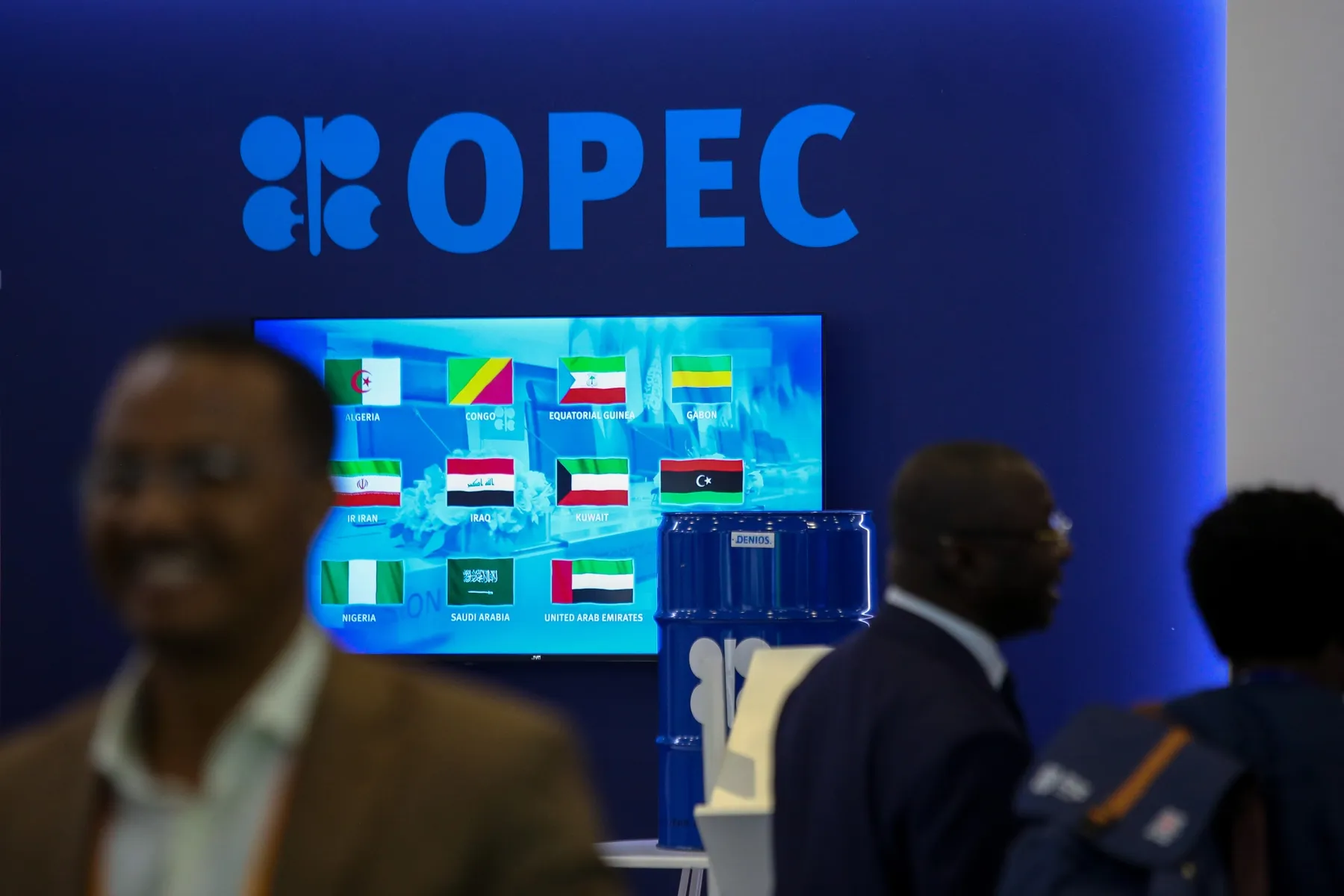
LONDON, August 3 – The Organization of the Petroleum Exporting Countries and its allies (OPEC+) has approved a 188,000 barrels-per-day (bpd) increase in oil production quotas for September, extending its phased strategy of restoring crude supplies to the global market.
The decision was reached during a virtual meeting of seven key OPEC+ members led by Saudi Arabia and Russia, marking the fourth consecutive monthly production increase of the same size following similar adjustments approved for June, July and August.
The September increase effectively completes, at least on paper, the reversal of one layer of production cuts introduced in 2023, when the alliance reduced output to support oil prices and prevent a global supply glut.
According to OPEC+, the group is expected to keep production quotas broadly unchanged after September while it assesses global demand, market fundamentals and geopolitical developments.
The latest decision comes despite continued tensions involving Iran, which have disrupted oil production and export flows across parts of the Middle East. However, the alliance noted that the approved quota increases have had only a limited impact on actual global oil supply.
Several OPEC+ members continue to face production constraints stemming from technical challenges, international sanctions and logistical disruptions affecting crude shipments through the Persian Gulf and the Strait of Hormuz.
As a result, many producers have been unable to raise output to their allocated quota levels, leaving Saudi Arabia with the majority of the alliance’s available spare production capacity.
The September adjustment provides additional flexibility for Gulf producers, particularly Saudi Arabia, to increase production further once regional export routes normalise.
The latest increase follows OPEC+’s decision to raise production quotas by 188,000 bpd for August, continuing the alliance’s gradual return of crude supplies after implementing significant output reductions in 2023.
Overall, the phased increases complete the planned reversal of production cuts amounting to approximately 3.5 million barrels per day, excluding the United Arab Emirates’ allocated share. However, considerably less additional oil has reached the market in practice because several member countries lack the capacity to produce at their higher quota levels.
The alliance’s decision underscores its cautious approach to balancing global oil supply with market stability, while retaining the flexibility to adjust production plans should demand conditions or geopolitical risks change in the coming months.
