
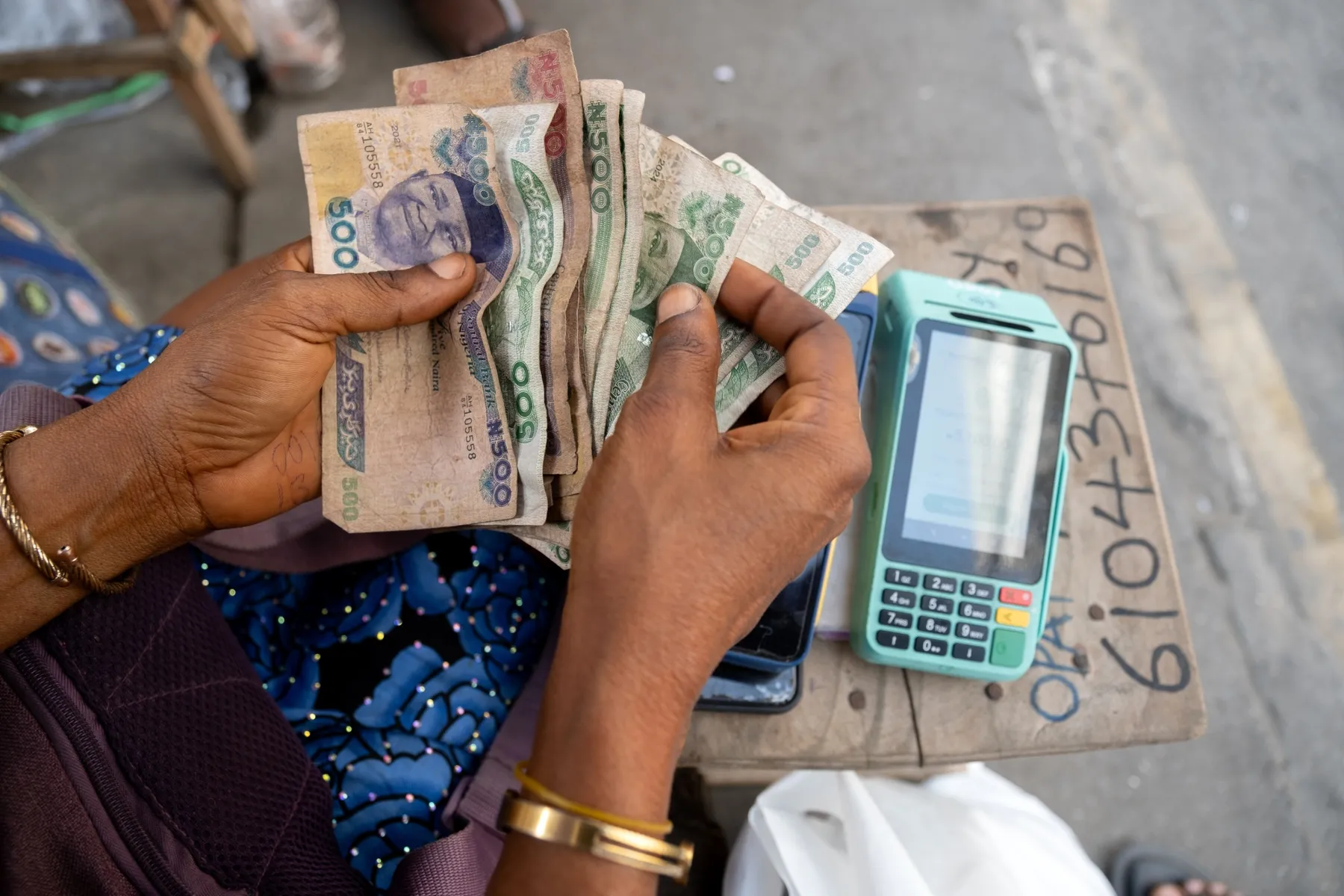
LAGOS, May 15 – Nigeria’s inflation rate accelerated to a five-month high in April as rising energy and food prices linked to the Iran war added pressure on households and complicated the outlook for monetary policy.
Consumer prices rose 15.7% year-on-year in April, up from 15.4% in March, according to data released Friday by the National Bureau of Statistics. On a monthly basis, prices increased 2.1%.
The latest figures matched the median estimate of economists surveyed and come ahead of the next policy meeting of the Central Bank of Nigeria scheduled for May 20.
The escalation in tensions surrounding the Iran war has intensified concerns over global energy supply disruptions, particularly around the Strait of Hormuz, a critical route for oil, liquefied natural gas and fertilizer shipments. The resulting increase in fuel, fertilizer and transportation costs has added new inflationary risks for import-dependent economies including Nigeria.
Food inflation accelerated to 16% in April from 14% in March, while energy prices rose nearly 5% from a year earlier. Core inflation, which excludes volatile agricultural produce and energy costs, eased slightly to 15.9% from 16.2%.
David Omojomolo, Africa economist at Capital Economics, said inflationary pressures could keep interest rate cuts off the table for the rest of the year.
“The rise in inflation alongside the central bank’s concerns about its credibility suggests that monetary easing will remain off the agenda until at least the end of the year,” Omojomolo said in a note.
He added that rising petrol and diesel prices could push inflation closer to 17% year-on-year in the third quarter.
Nigeria’s central bank reduced its benchmark interest rate by 50 basis points to 26.5% in February, marking its first rate cut after an aggressive tightening cycle aimed at stabilizing prices and the naira.
The government has attempted to cushion the impact of rising living costs through temporary trade levy reductions on selected food imports and pharmaceuticals. However, the latest inflation data may increase pressure on policymakers to introduce additional relief measures.
Finance Minister Taiwo Oyedele has previously ruled out a return to fuel subsidies scrapped in 2023 as part of broader economic reforms under President Bola Tinubu.
