
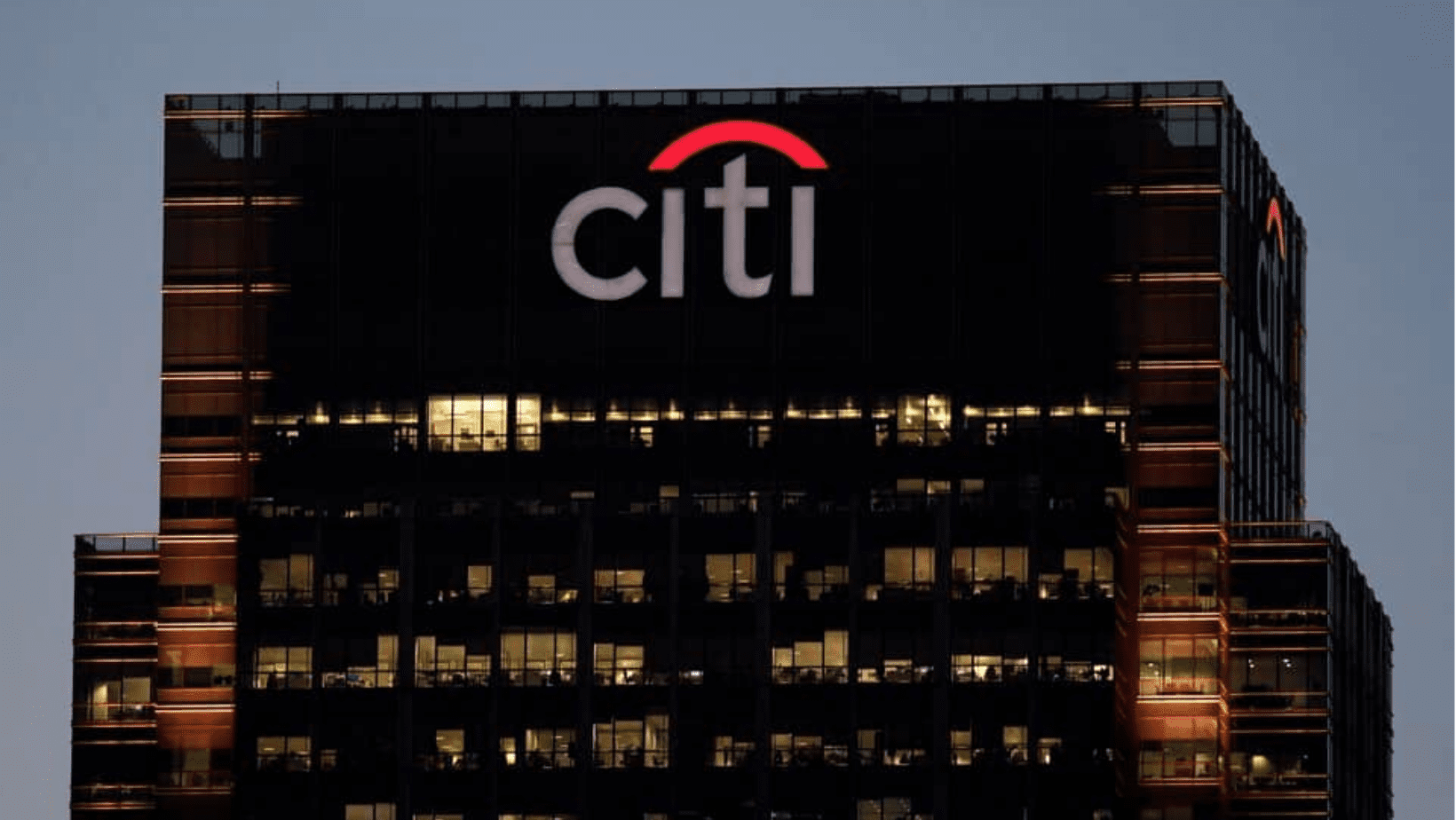
KIGALI, May 15 – African governments and corporates are increasingly turning to alternative funding structures and non-dollar borrowing as high global interest rates and volatile exchange rates continue to shut many issuers out of traditional international capital markets, Citigroup Inc. has said.
Akin Dawodu, Citigroup’s head of sub-Saharan Africa, said issuers are now exploring lower-yielding currencies such as the euro and Swiss franc, alongside Asian funding markets, in a bid to reduce borrowing and debt-service costs at a time of tightening global liquidity.
“There’s lots of interest in African issuers and African debt,” Dawodu said on the sidelines of the Africa CEO Forum in Kigali, pointing to growing investor appetite driven by the continent’s growth prospects and natural resource base.
The shift highlights how sovereigns are adapting to persistent funding pressures, with many governments seeking more flexible and creative financing structures beyond the US dollar market, which has become increasingly expensive for lower-rated economies.
Nigeria last month announced plans to raise $5 billion from the United Arab Emirates, while Angola and Senegal have also explored swap-based funding arrangements. Kenya is pursuing a $1 billion debt-for-food swap and preparing a $350 million Samurai bond, while Egypt has expanded yuan-linked financing as it strengthens ties with China.
South Africa’s central bank governor Lesetja Kganyago has also signaled openness to tapping euro liquidity lines, reflecting a broader regional push to diversify funding sources.
However, the growing complexity of these instruments is introducing new risks, particularly for countries with limited foreign exchange buffers or underdeveloped hedging systems, Citigroup warned.
The International Monetary Fund has previously cautioned that several frontier economies lack the technical capacity to manage sophisticated currency-linked debt structures, raising concerns over transparency and refinancing risks if global conditions tighten further.
Sub-Saharan Africa is projected to be the world’s second-fastest-growing region this year at 4.3%, according to the IMF, highlighting the tension between strong growth prospects and rising sovereign funding constraints.
