
LUSAKA, May 15 – Zambia has authorized two copper producers to resume sulphuric acid exports to the Democratic Republic of Congo after easing restrictions imposed amid supply shortages and disruptions linked to the Iran war.
Commerce, Trade and Industry Minister Chipoka Mulenga said the government approved export shipments from Chambishi Copper Smelter and Mopani Copper Mines after domestic sulphuric acid inventories recovered.
The companies will be allowed to export “limited quantities” to ensure local supply remains stable, Mulenga said, without disclosing specific volumes.
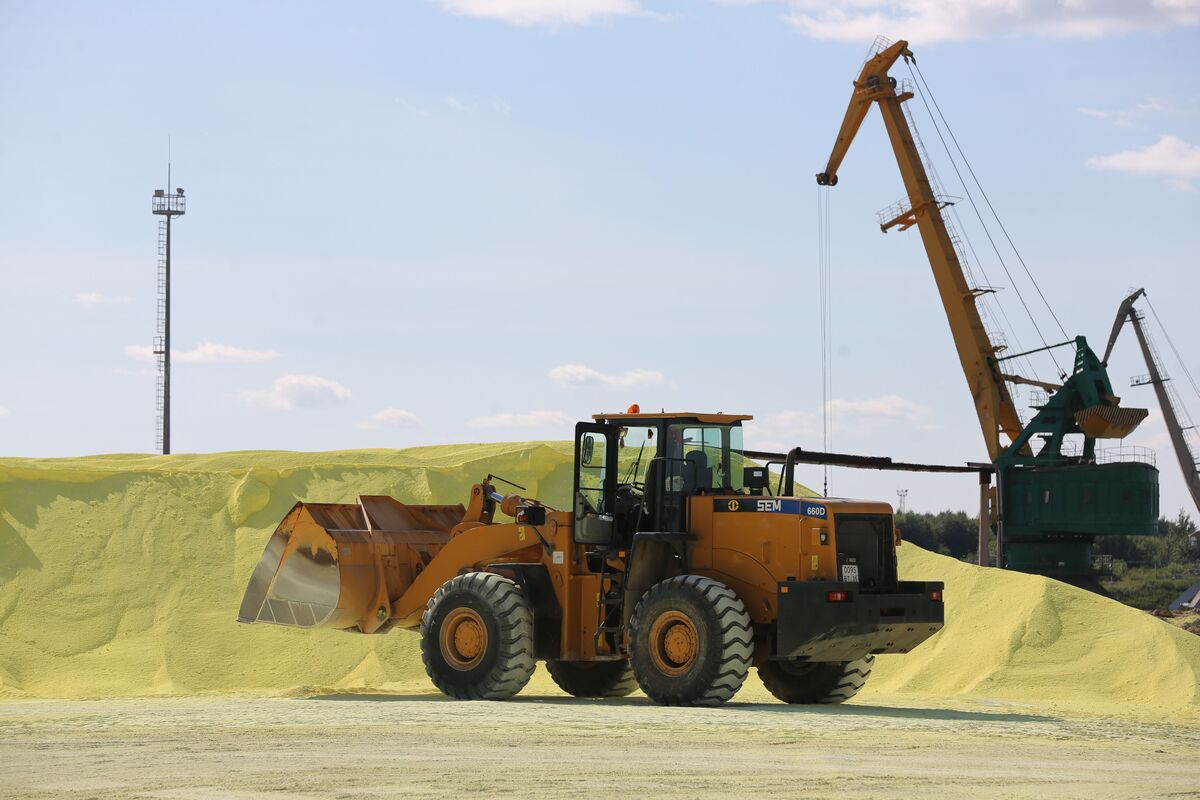
Zambia, Africa’s second-largest copper producer, generates roughly 2 million metric tons of sulphuric acid annually, primarily as a byproduct from copper smelting operations.
The chemical is widely used in the Central African copperbelt to extract copper and cobalt from oxide ores, metals critical to electric vehicles, battery manufacturing and the global energy transition.
The government initially banned sulphuric acid exports in September before introducing a permit system in March after weaker domestic output and disruptions to global supply chains tightened availability of leaching chemicals.
The shortages forced some mining operators in Congo, the world’s largest cobalt producer and second-largest copper supplier, to cut acid usage and evaluate potential production reductions.
Mulenga said Zambia could widen export approvals further if local supply conditions continue to improve.
A document reviewed by Reuters also showed the government authorized Alliswell Investment Limited to export 5,000 metric tons of sulphuric acid.
An industry source familiar with the matter said Mopani Copper Mines had not yet formally received its export permit.
Neither Mopani, Chambishi Copper Smelter nor Alliswell immediately commented on the development.
The easing of export restrictions highlights the growing sensitivity of Africa’s copper and cobalt supply chains to geopolitical tensions and disruptions in global commodity markets.
