
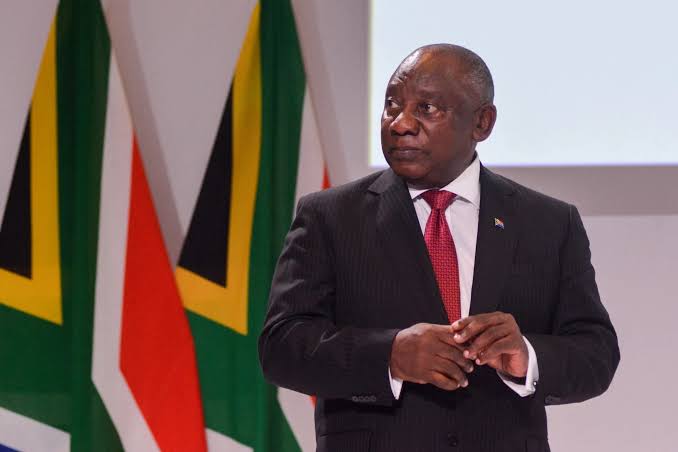
JOHANNESBURG, May 8 – South Africa’s Constitutional Court has revived impeachment proceedings against President Cyril Ramaphosa over the so-called “Farmgate” scandal, ruling that parliament acted unlawfully when it blocked the process in 2022.
The court ruled that a parliamentary vote held in December 2022, which prevented an independent panel’s findings from being referred to an impeachment committee, was inconsistent with the constitution. Judges ordered that the report now be sent to a parliamentary impeachment committee for further consideration.
Following Friday’s ruling, President Cyril Ramaphosa said he respected the court’s judgment, adding in a statement that “no person is above the law.”
The case stems from allegations surrounding a 2020 burglary at Ramaphosa’s Phala Phala game farm, where large amounts of foreign currency were reportedly hidden inside furniture.
A former intelligence official accused the president of attempting to conceal the theft, which local media later dubbed the “Farmgate” scandal. Ramaphosa acknowledged that a break-in occurred at the farm but said the thieves stole about $580,000 from proceeds linked to a buffalo sale, rejecting allegations of wrongdoing.
Although the president was never criminally charged, an independent parliamentary panel previously concluded there was evidence suggesting he may have committed misconduct.
The legal challenge was brought before the Constitutional Court by the Economic Freedom Fighters, which was later joined by another opposition party.
The ruling comes at a politically sensitive time for Ramaphosa after the African National Congress lost its parliamentary majority in the 2024 election and was forced to govern through a coalition arrangement.
The ANC’s main coalition partner, the Democratic Alliance, said it would fully participate in the impeachment committee process while refraining from prejudging the outcome.
The revived proceedings could intensify political pressure on Ramaphosa as South Africa navigates a fragile coalition government and mounting scrutiny over governance and accountability.
