
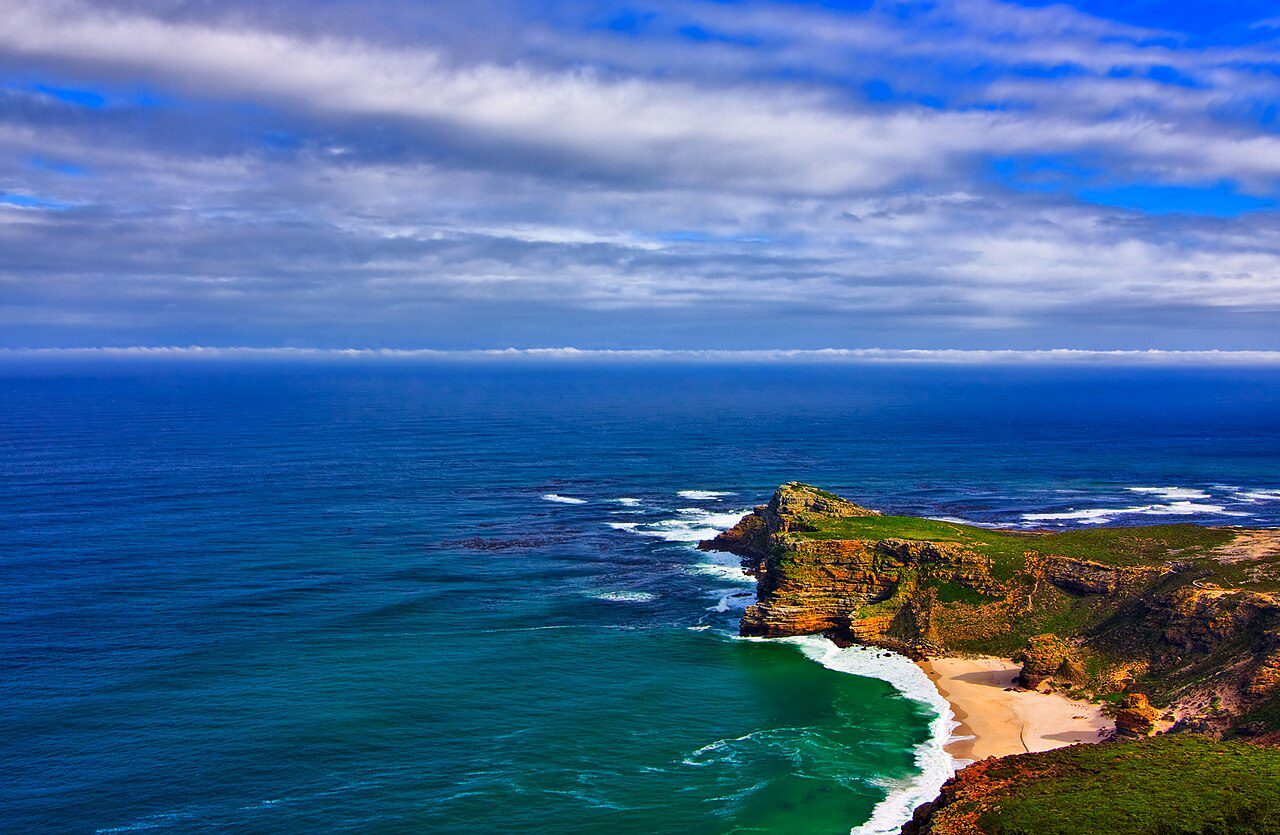
CAPE TOWN, Mar 12 – The sealing of the Strait of Hormuz by Iran in late February 2026 triggered a major shift in global shipping routes, sending vessels southward around South Africa and dramatically increasing traffic along the Cape maritime corridor.
According to data from the analytics platform MarineTraffic, merchant vessel traffic near the Cape of Good Hope has increased by 35%, reaching approximately 94 ships per day. At the same time, oil tanker transits through the Strait of Hormuz fell by 90%
The response from the world’s largest carriers has been swift and, in some cases, legally consequential. MSC Mediterranean Shipping Company declared an “End of Voyage” for all containerised cargo destined for ports inside the Arabian Gulf a rare and highly consequential step that effectively shifts operational risk and cost onto cargo owners.
Maersk suspended vessel transits through the Strait of Hormuz, while Hapag-Lloyd suspended all transits until further notice, warning customers of rerouting, delays, and possible war-risk surcharges
South Africa sits at a geopolitical inflection point, The rerouting of global trade through the Cape of Good Hope places Durban and Cape Town on one of the world’s busiest maritime corridors for the first time in decades.
Industry analysts say this could temporarily place South Africa along one of the busiest maritime routes in the world, with ports such as Cape Town and Durban likely to see more ships stopping for refuelling and maintenance
The country has struggled to capitalise on the opportunity. South African ports were unable to fully capitalise on this development during earlier disruptions, hindered by systemic infrastructural challenges.
South Africa has abandoned its deep-sea salvage capabilities, and ships entering African harbours for unplanned reasons are exposed to dysfunctional service delivery and port inefficiencies
Analysts warn that the Cape route adds up to 15 days to a journey, and derisking it cannot be a solely South African responsibility it requires African partnerships and international cooperation for modernisation and port service delivery, from bunkering services to search and rescue
