
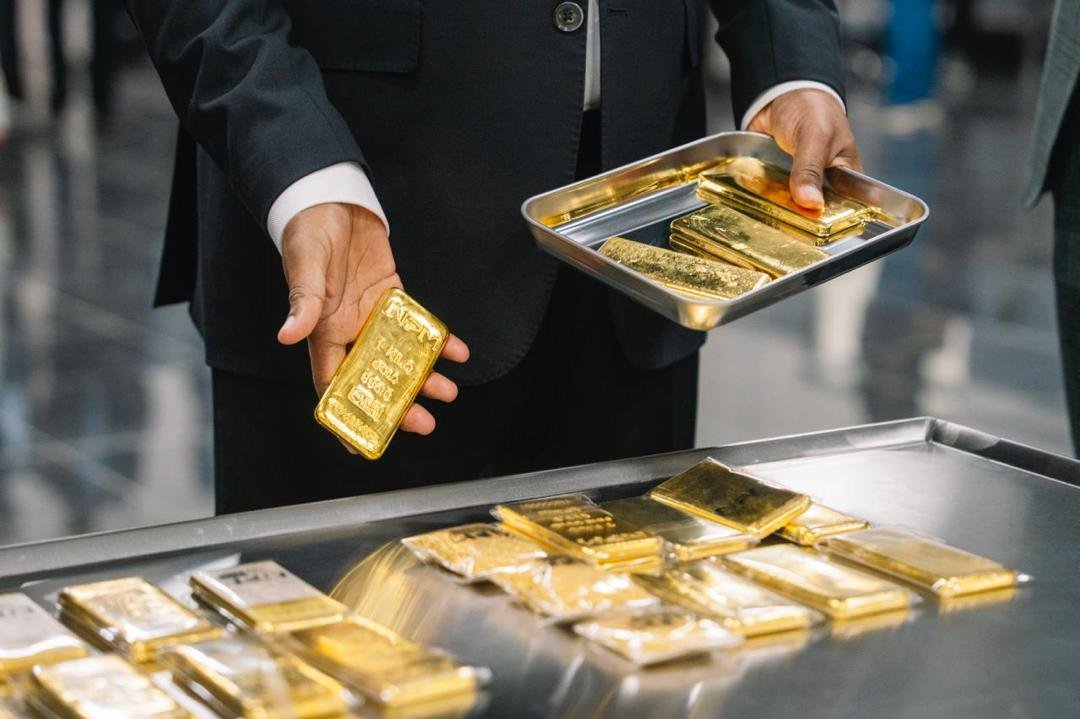
ADDIS ABABA, Oct 10 – Ethiopia has launched the National Precious Metals Refinery at Bole Lemi Special Economic Zone, establishing new domestic processing capacity as the country seeks to retain more value from its mineral resources.
The facility was developed through a partnership between Ethiopian Investment Holdings (EIH) and Sam Precious Metals and has the capacity to process more than 600 tonnes of precious metals annually, according to Prime Minister Abiy Ahmed Ali, who announced the launch on X.
The refinery is intended to support domestic value addition, strengthen Ethiopia’s mining industry and establish the country as a regional centre for precious metals refining.
In his announcement, Abiy said the project reflects the government’s strategy of connecting natural resource extraction with industrial production.
“This initiative reflects the Medemer government’s commitment to linking our productive resources with industrial capacity—boosting export earnings, creating skilled jobs, supporting the jewellery industry, and building a more transparent and competitive gold value chain,” the prime minister said.
He added: “From resource extraction to industrial transformation, we are creating greater value at home.”
Building Domestic Mineral Processing Capacity
The refinery’s launch forms part of Ethiopia’s broader effort to develop processing capabilities around its mineral resources rather than relying primarily on the export of raw materials.
Domestic refining could create opportunities to capture additional value within the country, support jewellery manufacturing and generate demand for specialised technical skills. The government also expects the facility to contribute to export earnings and improve transparency across the gold supply chain.
For Ethiopia, expanding local processing capacity is relevant to its efforts to diversify exports and strengthen foreign-exchange earnings. Refining infrastructure can help connect mining operations with higher-value industrial activities, although the eventual economic impact will depend on the facility’s utilisation, access to reliable supplies of precious metals and its ability to compete for regional processing business.
The refinery’s stated annual capacity of more than 600 tonnes provides a substantial processing benchmark. However, actual throughput and the division of capacity among different precious metals have not been specified in the announcement.
Positioning Ethiopia in Regional Refining
Located at Bole Lemi Special Economic Zone, the facility adds to Ethiopia’s industrial infrastructure and could support the development of related businesses, including jewellery production and other precious-metals activities.
Its longer-term contribution will depend on the volume of material processed locally, the competitiveness of its refining services and the strength of links between domestic producers, exporters and downstream manufacturers.
The project represents a step in Ethiopia’s attempt to move further along the mineral value chain, from extraction towards processing and industrial transformation.
