
African Economy Inc.
  • Home
  • Economy
  • Business
  • Markets
  • Finance
  • Credit Ratings
  • Policy
  • Tech
African Economy Inc.
  • Home
  • Economy
  • Business
  • Markets
  • Finance
  • Credit Ratings
  • Policy
  • Tech
Top News
Ethiopia’s Official Creditors Back Preliminary $1 Billion Eurobond Restructuring Deal
Morocco’s Growing Economic Leverage Strengthens Its Position in Spain’s Trade and Supply Chains
Chinese Construction Firms Lead Shortlist for Ethiopian Airlines’ $12.5 Billion Airport
Seychelles Launches Blue and Green Economy Project With UNDP to Drive Nature-Positive Development
Johannesburg Settles $328 Million Eskom Debt, Easing Risk of Power Supply Restrictions
Tanzania Commissions 2,115-MW Julius Nyerere Hydropower Plant to Boost Power Exports
Morocco’s OCP Resumes US Fertilizer Exports With 54,000-Ton Phosphate Shipment
Petrobras Begins Talks to Explore Four Offshore Oil Blocks in Ghana’s Keta Basin
Dangote Offers East African Countries 30% Stake in Proposed $17 Billion Kenya Refinery
Citi Upgrades Zambia Bonds to Overweight After Hichilema Secures Second Term
China-Ethiopia Trade Deals Reach $330 Million as Exports to China Grow
Ivory Coast Cocoa Industry Faces Disruption Risk Ahead of EU Deforestation Rules
Nigeria SEC Proposes Rules Requiring Crypto Firms to Share Transaction Data
Ethiopia Says It Does Not Need Permission to Develop Abay River Resources
Ethiopia Central Bank Allocates $500 Million in Forex Auction at 160.21 Birr per Dollar
SUBSCRIBE
African Economy Inc.
Subscribe
African Economy Inc.
  • Home
  • Economy
  • Business
  • Markets
  • Finance
  • Credit Ratings
  • Policy
  • Tech
Copyright 2026 - All Right Reserved
Home » How Rising Oil Prices From the Iran Conflict Threaten Africa’s Monetary Easing Cycle
Insights

How Rising Oil Prices From the Iran Conflict Threaten Africa’s Monetary Easing Cycle

by Emmanuel Ebube March 14, 2026
written by Emmanuel Ebube March 14, 2026
Africa
FacebookTwitterLinkedinEmail
144

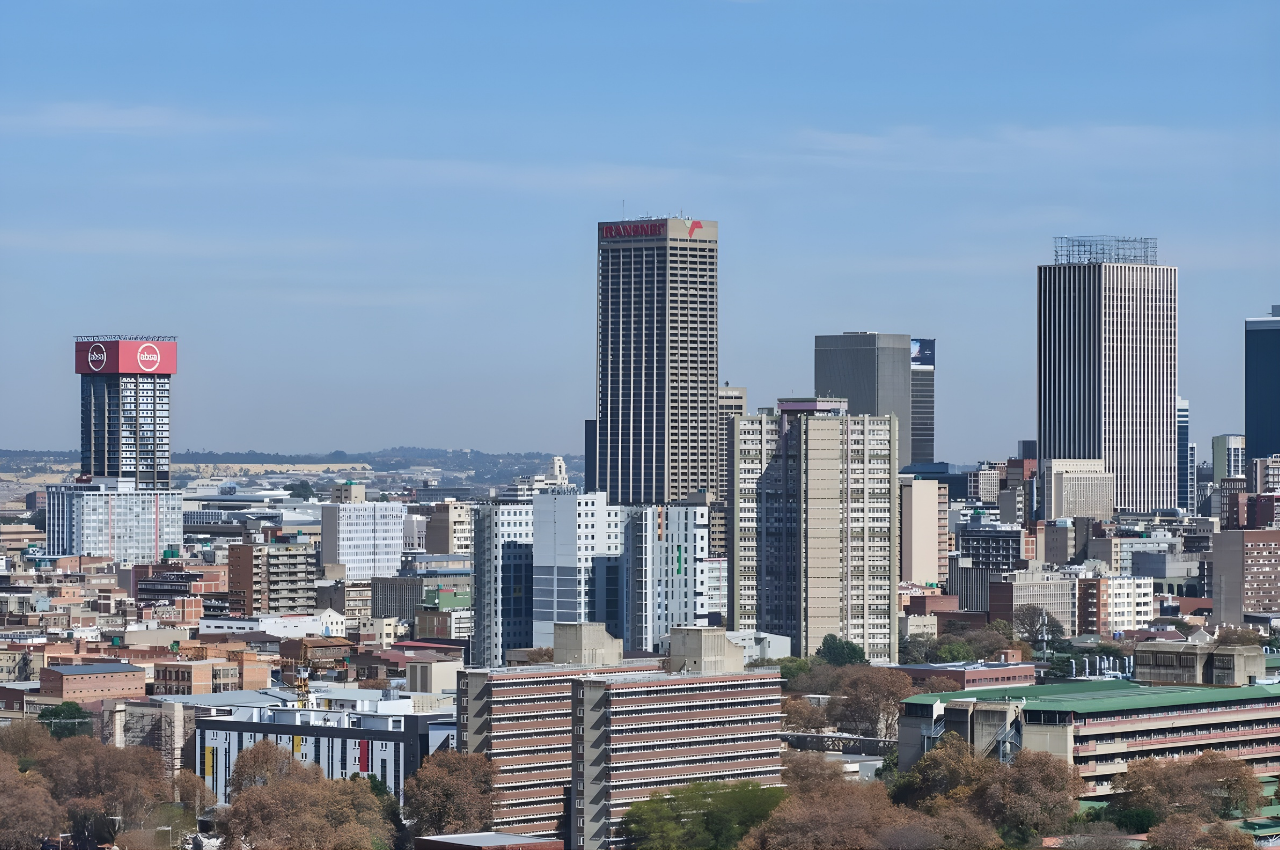
JOHANNESBURG, Mar 14 – Policymakers across Africa have warned that a sharp rise in global oil prices linked to the conflict involving Iran could disrupt monetary policy plans and threaten the continent’s economic recovery.

In recent months, central banks across several African economies had begun lowering interest rates as inflation pressures eased and foreign exchange markets stabilised. The easing cycle was aimed at supporting economic growth.

However, the surge in oil prices may now force many policymakers to reconsider that strategy.

Officials say higher energy costs could push inflation higher again while increasing operational costs in key sectors such as mining, agriculture and manufacturing.

You Might Be Interested In
  • Burkina Faso-France Diplomatic Break: What It Means for Investors and Country Risk

The Bank of Uganda said periods of heightened global uncertainty have become a defining feature of the international economic landscape, presenting new challenges for central banks.

Uganda’s central bank noted that it is reassessing its policy tools and processes to ensure they remain effective in the current environment.

Meanwhile, the Banco Nacional de Angola kept interest rates unchanged this week after three consecutive cuts. Governor Manuel Tiago Dias cited rising geopolitical risks as a key factor behind the decision.

Dias warned that a prolonged conflict in the Middle East could disrupt supply chains, particularly those related to agricultural inputs and fertilisers.

Analysts say other major African central banks may soon pause their easing cycles as well.

Economies including Ghana, Nigeria, Zambia and Kenya are widely expected to reassess their monetary policy outlook if high oil prices persist.

Razia Khan, chief economist for the Middle East and Africa at Standard Chartered, said policymakers will need to evaluate the potential “pass-through” effects of higher oil prices into broader inflation levels.

Financial institutions are already adjusting their forecasts. JPMorgan said it has reduced expectations for future interest rate cuts in several African economies, including Nigeria, Kenya, Ghana and Zambia.

Meanwhile, global benchmark Brent crude was trading just below $100 per barrel on Friday after reaching nearly $120 earlier in the week.

According to Charlie Robertson of FIM Partners, sustained oil prices around $100 per barrel could weaken many African currencies and reduce foreign exchange reserves across the continent.

Read Next

  • Majority of Nigerians Push for Lower Interest Rates Ahead of Central Bank Meeting

    May 18, 2026
  • Uganda Approves Starlink Operating License as Musk’s Internet Firm Expands in Africa

    May 16, 2026
  • Burkina Faso-France Diplomatic Break: What It Means for Investors and Country Risk

    June 29, 2026
  • Etihad Airways Adds Six African Destinations in Major Expansion Push

    April 19, 2026
  • Ivory Coast’s Baleine Project Advances as Eni Approves $4 Billion Expansion

    May 25, 2026

Newsletter

Subscribe to our newsletter for trusted insights on Africa’s economies, markets, and business.

African Economy Inc. Logo

About Us

We are a business and economic intelligence platform delivering in-depth reporting, analysis, and insights on markets, companies and economic developments across Africa.

Our Company

  • AEI Intelligence
  • About
  • Editorial Standard
  • Partnerships
  • Advertise With Us
  • Careers
  • Ownership

News

  • Economy
  • Business
  • Markets
  • Finance
  • Credit Ratings
  • Policy
  • Tech

Useful Links

  • Privacy Policy
  • Terms of Use
  • Closed Captioning Policy
  • Accessibility Statement
  • Personal Information
  • Data Tracking
  • Register New Account

Subscribe Newsletter

Subscribe to our newsletter for trusted insights on Africa’s economies, markets, and business.

©2026 Majons Media Inc. All Rights Reserved.

Facebook Twitter Instagram Linkedin
African Economy Inc.
  • Economy
  • Business
  • Markets
  • Banking & Finance
  • Energy
  • Tech
  • Policy