
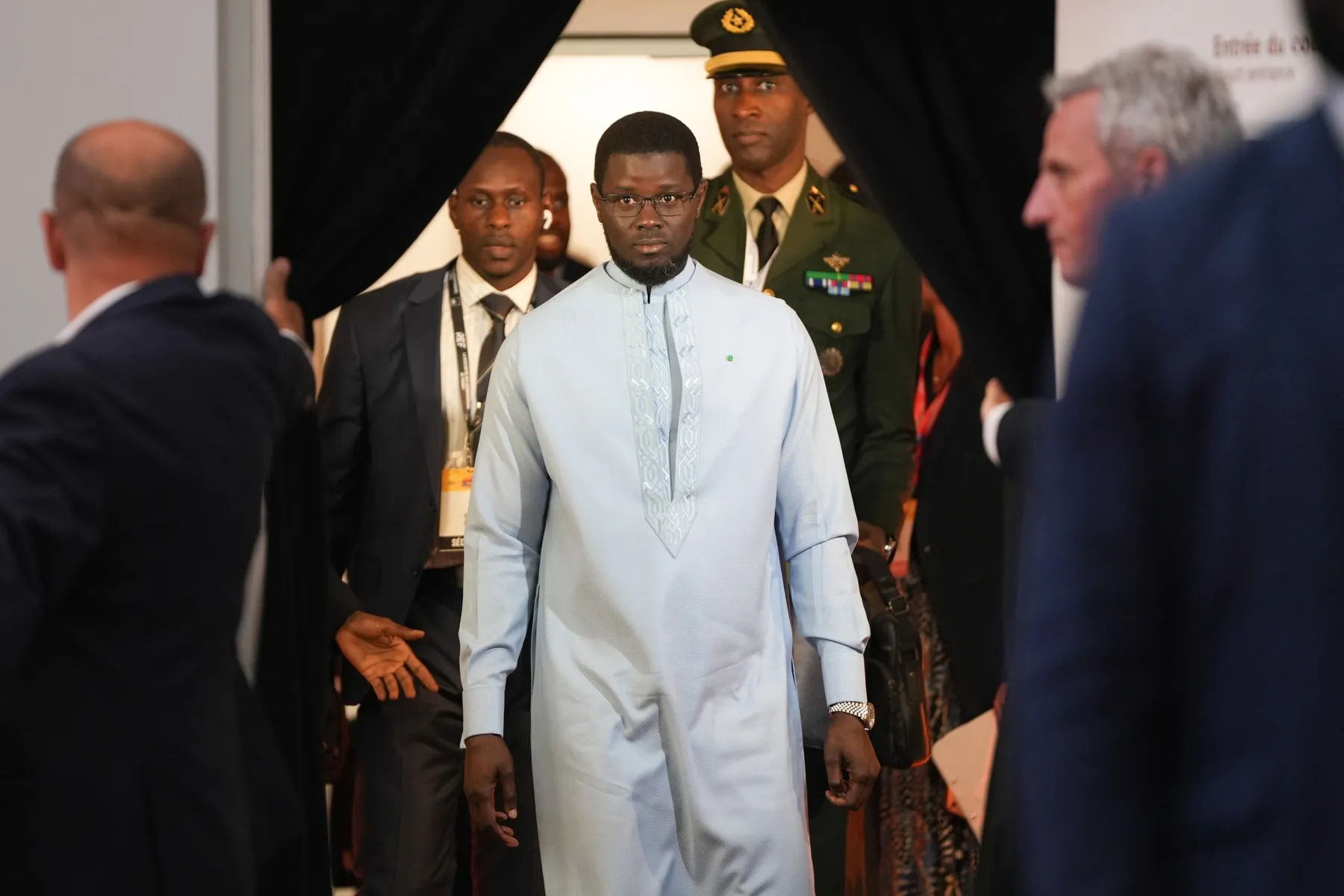
DAKAR, Sept 25 – Senegal is prioritising approval of a proposed $2.2 billion International Monetary Fund programme as the government seeks to address its financing pressures and advance a restructuring of its public debt.
President Bassirou Diomaye Faye said securing the IMF programme and restoring confidence among Senegal’s financial partners are central priorities for his government.
“What fundamentally concerns us today is how to discuss with the Fund, reach an agreement and obtain a program that is approved by the Board and definitively restores the confidence of our partners,” Faye told France24.
The IMF and Senegal reached a staff-level agreement on September 1 for a 36-month Extended Credit Facility arrangement worth approximately $2.2 billion. The agreement remains subject to approval by IMF management and the Executive Board, as well as corrective measures and financing assurances required before the Board can consider the programme.
The proposed programme is designed to support Senegal’s efforts to restore macroeconomic stability and debt sustainability, strengthen fiscal governance and transparency, and address vulnerabilities exposed by the discovery of previously undisclosed public debt.
Alongside the IMF programme, Dakar has indicated its intention to seek debt treatment under the G20 Common Framework as part of efforts to restore debt sustainability. The IMF has said decisions on Senegal’s debt strategy remain the responsibility of the Senegalese authorities, while the Fund and World Bank are working with Dakar to update their debt sustainability assessment using revised debt and economic data.
The IMF expects the proposed programme to help catalyse additional financing from the World Bank, African Development Bank and other development partners.
Senegal’s economy grew 6.7% in 2025, supported by the expansion of its hydrocarbon sector, while non-hydrocarbon growth slowed to 2.2%. The IMF said non-hydrocarbon growth rebounded to 4.7% year-on-year in the first quarter of 2026.
However, fiscal and debt vulnerabilities remain significant. The IMF has said Senegal’s public-sector debt was estimated at 132% of GDP at the end of 2024, reflecting the revised debt data following the discovery of previously undisclosed obligations.
For Dakar, securing the IMF programme and progressing with debt treatment are therefore closely linked to its broader effort to restore access to financing and rebuild confidence among international and domestic financial partners.
