
ACCRA, June 6 – Ghana has launched the Agri Connect Compact, a comprehensive agricultural transformation initiative aimed at creating more than 2.6 million jobs, strengthening food security and reducing the country’s reliance on food imports by 2035.
The programme forms a key pillar of the government’s broader Agriculture for Economic Transformation Agenda and seeks to reposition agriculture as a major driver of economic growth, industrialization and employment creation.
The programme is backed by an estimated $3.5 billion investment plan over the next five years, with approximately $2.7 billion already committed by the government, development partners and private-sector participants.
The initiative is being implemented in partnership with major development institutions, including the World Bank, International Fund for Agricultural Development and the African Development Bank.
The initiative was officially launched in Accra by Minister of Food and Agriculture Eric Opoku, who described the programme as a strategic effort to move Ghana’s agricultural sector beyond traditional farming toward a more integrated agribusiness model.
The Compact focuses on developing entire agricultural value chains rather than concentrating solely on primary production.
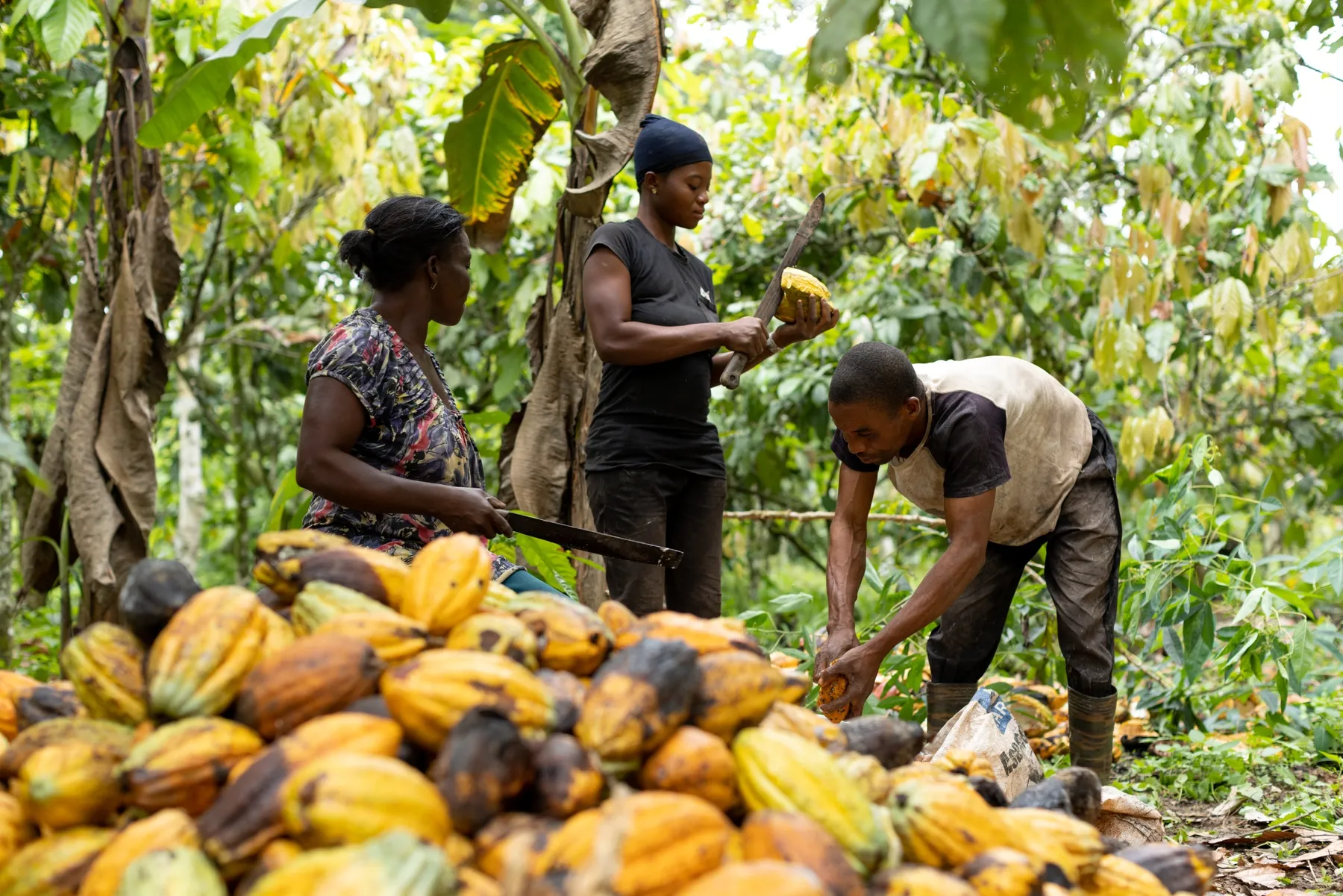
Priority sectors include rice, maize, oil palm, cocoa and poultry, which policymakers view as critical to enhancing domestic food production, supporting industrial growth and creating employment opportunities for young people.
According to the Ministry of Food and Agriculture, the programme will promote higher agricultural productivity through expanded irrigation systems, increased mechanization, improved access to markets, stronger agro-processing industries and enhanced financing for farmers and agribusinesses.
Government officials believe these interventions will help transform agriculture from a predominantly subsistence-based sector into a modern and commercially driven industry.
Speaking at the launch, Thomas Nyarko Ampem highlighted the economic importance of reducing food imports, noting that Ghana currently spends between $2 billion and $3 billion annually on agricultural products that could be produced domestically.
He argued that reducing import dependence would help conserve foreign exchange, stimulate local industries and create new employment opportunities throughout agricultural value chains.
The World Bank described the initiative as a significant step toward positioning agriculture as a catalyst for inclusive economic growth and industrial development.
According to development partners involved in the programme, the Compact is expected to directly benefit more than three million people while supporting expansion across several high-potential agricultural industries.
The launch comes as many African countries seek to strengthen food security, reduce import dependence and increase agricultural productivity amid growing concerns over global supply chain disruptions, climate-related risks and rising food costs.
For Ghana, the Agri Connect Compact represents one of the country’s most ambitious agricultural development programmes in recent years and reflects a broader effort to leverage agriculture as a foundation for long-term economic transformation.
