
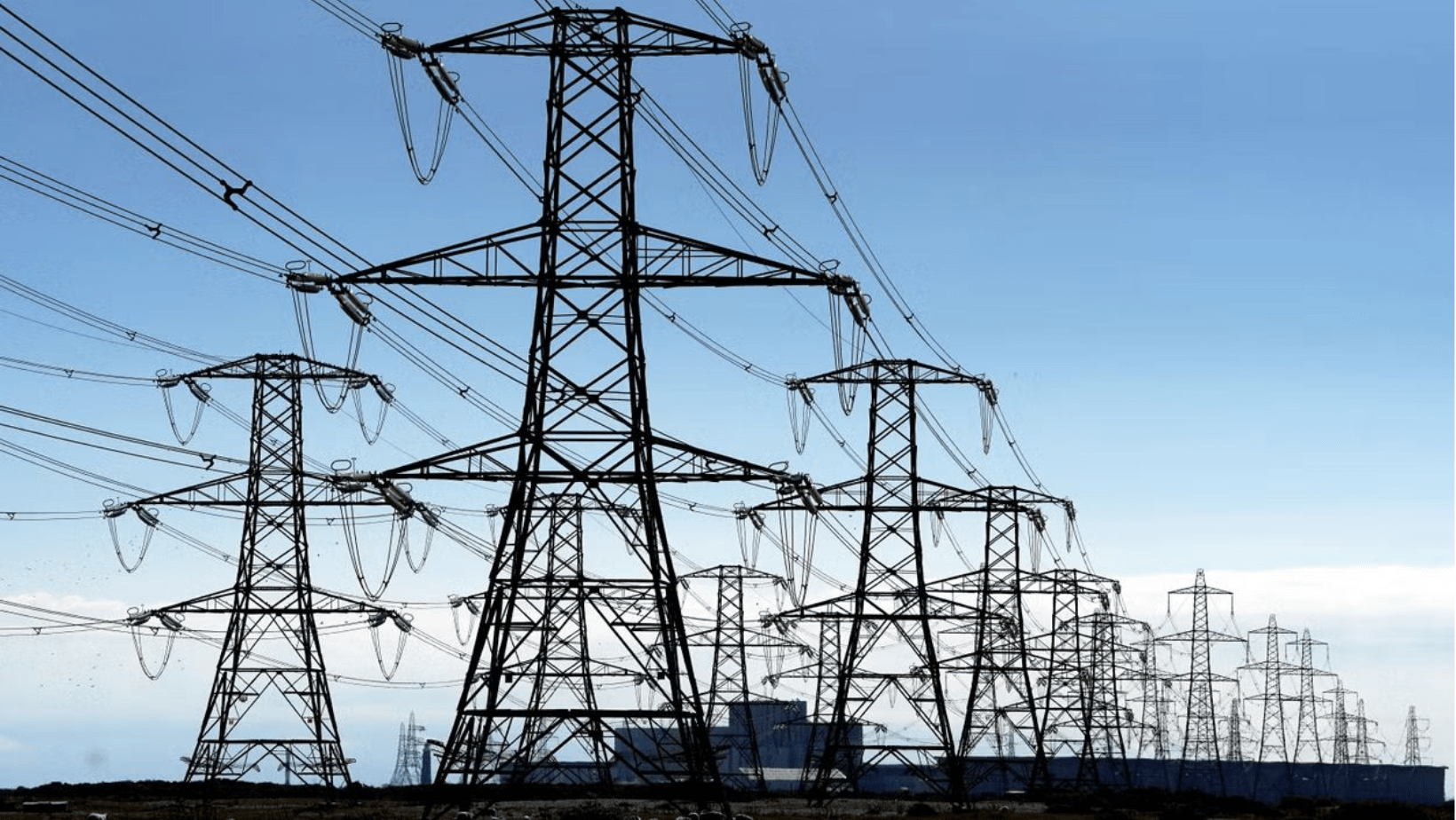
NAIROBI, July 24 – Africa’s ambitions to become a major player in artificial intelligence may depend less on advanced technology and more on something far more basic: reliable electricity.
That is the key message from the International Monetary Fund (IMF), which says sub-Saharan Africa risks missing out on much of AI’s economic potential unless governments close long-standing gaps in power supply, internet access and digital infrastructure.
In a report released on Tuesday, the IMF estimated that AI could increase the region’s economic output by as much as 4% over the next decade if countries invest in reliable electricity, stronger internet connectivity and digital skills. Without those investments, however, the expected economic boost drops sharply to just 0.2%.
The findings arrive as African governments race to position themselves in the global AI economy. Countries are introducing national AI strategies, while global technology firms are expanding their footprint on the continent. In May 2024, Microsoft and Abu Dhabi-based G42 announced plans for a $1 billion geothermal-powered data centre campus in Kenya. Around the same time, Cassava Technologies and Nvidia unveiled plans to deploy 12,000 AI chips across five African countries, signalling growing confidence in Africa’s AI future.
But the IMF warns that these investments alone will not be enough if millions of Africans remain unable to access the internet or keep their devices powered.
According to the report, only 38% of Africans used the internet in 2024, well below the global average of 68%. While mobile broadband networks now cover much of the continent, the high cost of smartphones and mobile data continues to prevent many people from getting online.
The report also highlights a growing imbalance in Africa’s digital infrastructure. Of the continent’s roughly 160 data centres, almost half are concentrated in South Africa, Nigeria and Kenya. While these countries are becoming regional technology hubs, many smaller economies remain dependent on computing infrastructure hosted outside their borders, limiting their ability to develop local AI ecosystems.
Rather than focusing on building large AI models from scratch, the IMF urged African governments to invest first in the foundations that would allow businesses and citizens to benefit from AI. These include expanding access to reliable electricity, improving internet connectivity, making digital devices more affordable and strengthening digital skills.
It also encouraged countries to adapt existing AI tools to local languages and industries and deepen regional cooperation to share infrastructure and build larger markets for AI services.
