
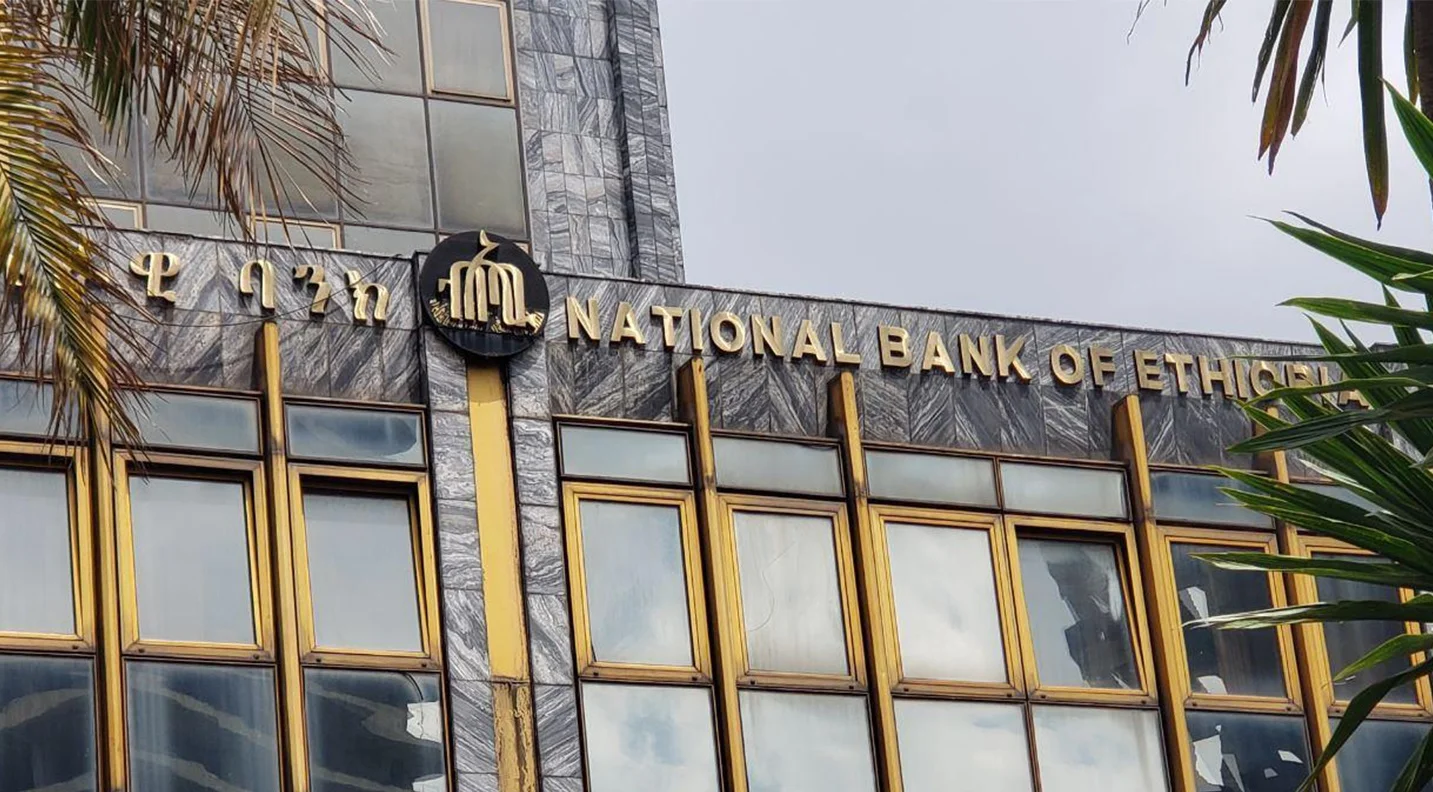
ADDIS ABABA, July 13 – Ethiopia’s central bank has raised its benchmark interest rate to 16% from 15%, marking the first increase since the policy rate was introduced two years ago as authorities intensify efforts to curb inflation and strengthen monetary policy.
The National Bank of Ethiopia (NBE) announced the decision on Monday following a meeting of its Monetary Policy Committee, which also approved the removal of a credit growth ceiling that had been imposed on commercial banks for the past two years.
Under the previous framework, commercial banks were restricted to 24% annual credit growth, a measure introduced to moderate lending expansion and support macroeconomic stability.
The central bank said the removal of the lending cap reflects a shift towards a more market-based monetary policy framework, with the benchmark interest rate expected to play a greater role in managing inflation and guiding financial conditions.
The policy changes form part of Ethiopia’s broader economic reform agenda, which seeks to modernise the country’s financial system, improve monetary policy transmission and create a more flexible banking environment.
The benchmark rate increase is intended to help contain inflationary pressures while supporting macroeconomic stability as the country continues implementing wide-ranging financial and economic reforms.
The latest measures also signal the National Bank of Ethiopia’s increasing reliance on interest rate policy, rather than administrative lending restrictions, as its primary tool for managing liquidity and inflation within the economy.
