
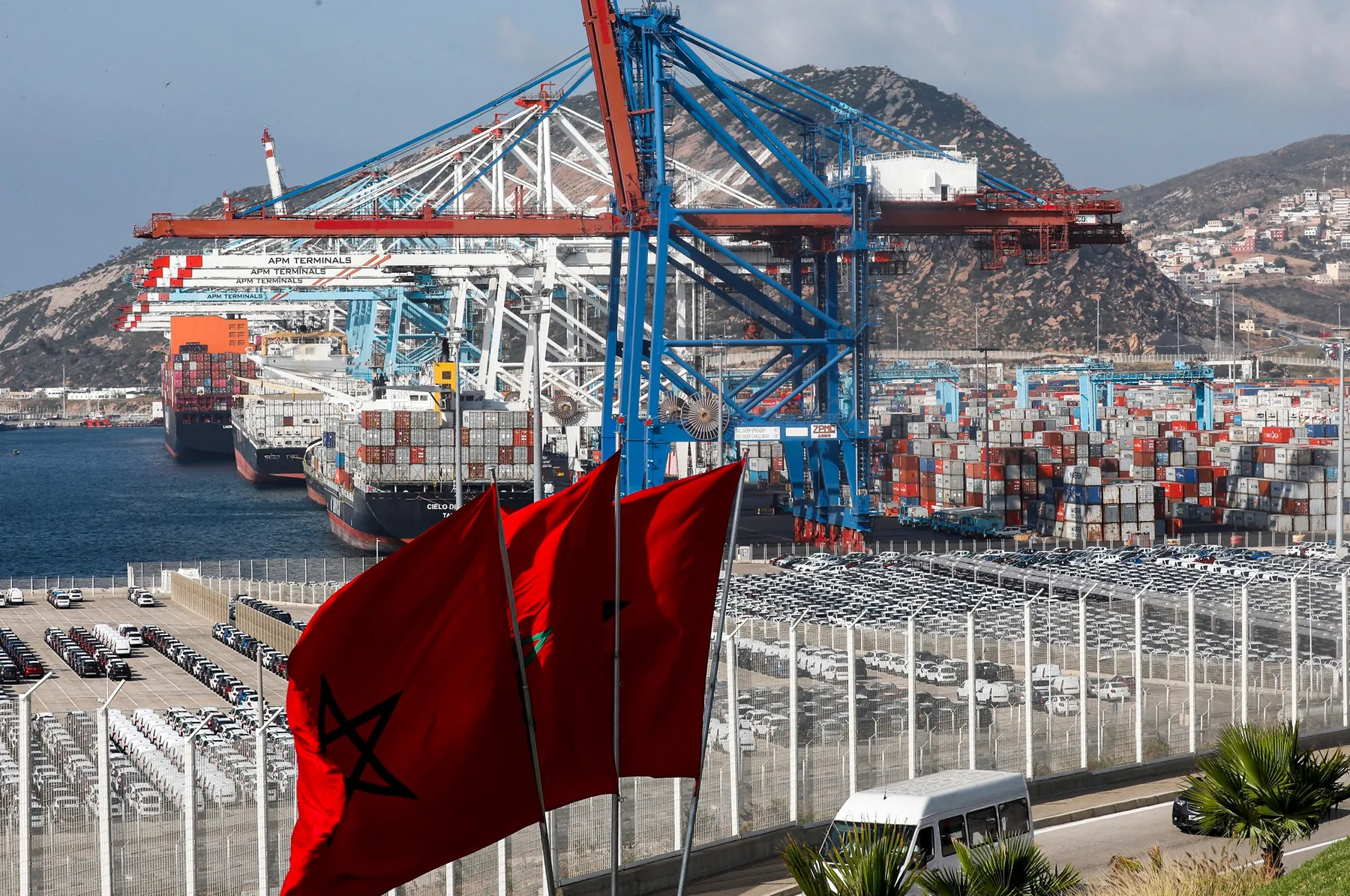
RABAT, June 4 – Morocco’s economy is expected to accelerate over the next two years, supported by a strong recovery in agriculture and continued investment in large-scale infrastructure projects, according to the latest Economic Outlook published by the Organization for Economic Co-operation and Development (OECD).
The OECD forecasts economic growth of 5% in 2026, up from an estimated 4.6% in 2025, before moderating to 3.9% in 2027 as temporary growth drivers begin to normalize.
The report highlighted Morocco’s resilience amid a challenging global environment, noting that private consumption and investment have remained important contributors to growth.
Lower inflation, improving consumer confidence and sustained public investment programmes have helped support economic activity during the current year.
A key driver of the stronger outlook is expected to be the recovery of the agricultural sector.
Following several years of drought-related disruptions, improved rainfall during the winter season has replenished water reserves and strengthened crop prospects across the country.
The OECD estimates agricultural output could increase by approximately 15% in 2026, providing a significant boost to overall economic growth before returning to more typical levels thereafter.
Infrastructure spending is also expected to remain a major pillar of economic activity.
Ongoing investments in transportation networks, urban development projects and industrial infrastructure are projected to support both manufacturing and construction sectors over the medium term.
Despite the positive outlook, the OECD cautioned that Morocco remains vulnerable to developments in international energy markets.
The country imports roughly 90% of its energy requirements, leaving it exposed to fluctuations in global oil and gas prices as well as geopolitical tensions affecting energy supply chains.
Higher energy costs are expected to contribute to a temporary increase in inflation during 2026.
Consumer price growth, which averaged just 0.7% in 2025, is projected to rise to 3.2% next year before easing back to 1.4% in 2027.
While stronger inflation may moderate household spending growth, the OECD expects domestic demand to remain broadly supportive of economic expansion.
The report also highlighted Morocco’s exposure to developments in the Middle East.
Although disruptions to global fertilizer markets could create opportunities for Morocco’s phosphate industry, prolonged regional instability could affect supplies of key inputs such as ammonia and sulfur, which are important for domestic fertilizer production.
Morocco remains one of the world’s leading phosphate producers, with phosphate and fertilizer exports accounting for a significant share of foreign exchange earnings.
The OECD noted that stronger exports and expanding industrial activity should continue supporting economic growth, although higher import costs are expected to widen the current account deficit over the next two years.
The labor market is also projected to improve gradually.
After unemployment declined to 13% in 2025, the OECD expects further reductions in joblessness during 2026. However, youth and female unemployment remain elevated and continue to represent significant structural challenges for the economy.
On monetary policy, the report expects Bank Al-Maghrib to maintain its benchmark interest rate at 2.25% throughout 2026 and 2027, with policymakers likely to keep rates unchanged as they monitor the temporary rise in inflation.
The OECD also expects Morocco’s fiscal position to continue improving, supported by stronger economic growth and ongoing tax reforms aimed at broadening the revenue base and enhancing tax collection.
Looking ahead, the organization called for accelerated structural reforms focused on productivity, labor market participation and economic formalization.
Recommendations included expanding childcare access, strengthening vocational training programmes, improving labor market flexibility, enhancing competition and advancing the country’s transition toward cleaner and more secure energy sources.
According to the OECD, reducing reliance on imported energy and improving productivity will be critical to sustaining long-term economic growth and strengthening Morocco’s resilience to future economic shocks.
