
RABAT, June 29 – Morocco’s economy expanded by 4.6% in the first quarter of 2026, maintaining solid momentum despite slower growth than the 5% recorded during the same period a year earlier, according to new data released by the High Commission for Planning (HCP).
The HCP said the economy sustained “a solid growth pace” during the quarter, driven by a strong recovery in agriculture and continued resilience in domestic demand, even as industrial activity lost momentum.
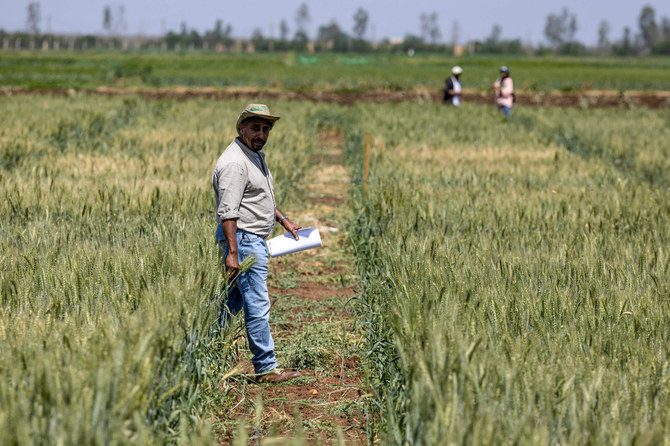
Agriculture emerged as the strongest-performing sector, with agricultural value added rising 18.4%, more than double the 8.1% growth recorded in the first quarter of 2025. The robust performance helped offset weaker activity across non-agricultural sectors. In contrast, the fishing industry contracted by 1.9% during the period.
Outside agriculture, economic activity moderated. The non-agricultural economy expanded by 2.6%, down from 4% a year earlier, while the industrial sector contracted by 1%, reversing the 2.9% growth recorded in the corresponding quarter of 2025.
According to the HCP, the industrial slowdown reflected weaker output in electricity and water services, extractive industries and manufacturing. Construction activity continued to expand but at a slower pace than in the previous year.
The services sector also moderated but remained a key contributor to growth, expanding by 4.3%. Financial and insurance activities recorded one of the strongest performances, growing 7.6%, while transport and storage services increased 4.8%. Hotels and restaurants remained among the fastest-growing industries, posting 8.1% growth despite easing slightly from last year’s level.
Domestic demand continued to underpin economic expansion during the quarter. Household consumption rose 4.6%, a marked improvement from 1.1% in the same period last year, reflecting stronger consumer spending. Government expenditure also accelerated by 4.9%, while investment increased 10.8%, although this represented slower growth than the nearly 20% recorded a year earlier. Combined, domestic demand contributed 6.9 percentage points to overall economic growth.
Inflationary pressures remained relatively subdued. The general price level increased by 1.1%, down from 1.6% in the first quarter of 2025, while GDP at current prices rose 5.7%.
Despite stronger export performance, external trade weighed on the economy. Exports of goods and services increased 9.2% in volume, but imports grew at a faster pace of 12.7%, resulting in net exports subtracting 2.3 percentage points from economic growth, compared with a drag of 0.3 percentage points a year earlier.
The HCP also reported that Morocco’s gross national disposable income increased 6.8%, while national savings reached 31.4% of GDP. Gross investment accounted for 32.9% of GDP, leaving the country with a financing requirement equivalent to 1.5% of GDP during the first quarter.
The latest figures underscore Morocco’s ability to sustain economic growth through stronger agricultural output and resilient domestic consumption, although continued weakness in industrial production and the widening trade gap highlight challenges that policymakers will need to address to maintain balanced and sustainable economic expansion.
