
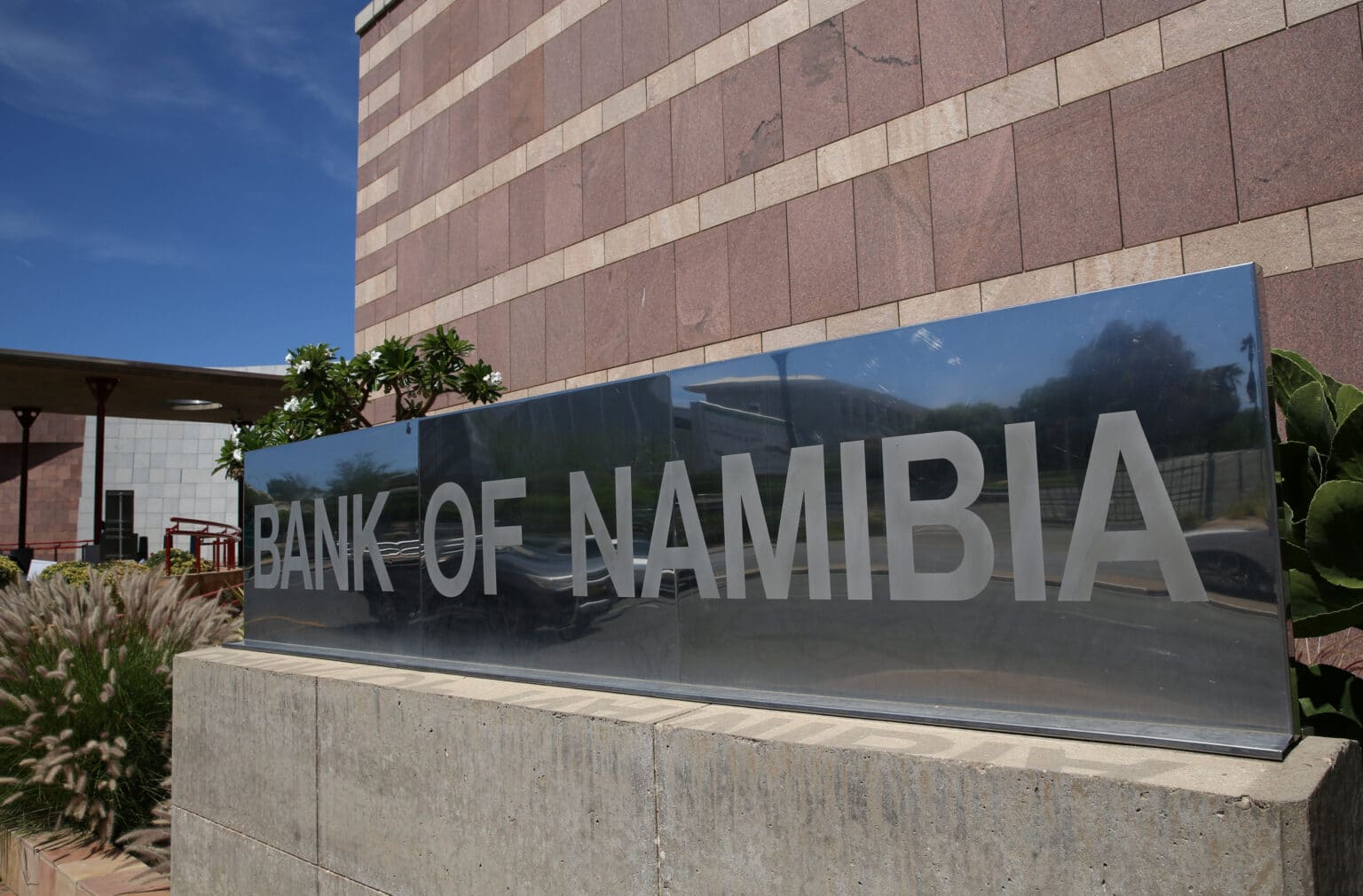
WINDHOEK, Aug 12 – The Bank of Namibia has kept its benchmark interest rate unchanged at 6.75%, maintaining the rate set in June as policymakers weigh subdued economic growth against rising inflation pressures.
The central bank said its decision was supported by relatively contained inflation expectations, adequate foreign-exchange reserves and a weaker economic growth outlook. The repo rate has remained at 6.75% since June, when the Bank of Namibia raised it by 25 basis points.
Inflationary pressures have nevertheless strengthened in recent months. Annual inflation accelerated to 4.4% in June from 4.1% in May, reaching its highest level in almost two years.
The inflation outlook could become more challenging in the coming months. Analysts at Nedbank expect Namibia’s inflation rate to rise above 5% in August following the government’s reinstatement of some fuel taxes that had been temporarily suspended earlier in the year to cushion consumers from the impact of the Iran war.
The central bank currently projects average inflation at 4.0% in 2026 and 3.9% in 2027. Its forecast for next year was revised 0.3 percentage points higher than the previous projection, reflecting increased expectations for price pressures.
At the same time, policymakers have become less optimistic about economic growth. The Bank of Namibia reduced its forecast for economic expansion in 2026 to 2.1%, from an earlier estimate of 2.6%.
The combination of slower growth and relatively moderate inflation has allowed the central bank to maintain its current monetary policy stance. However, the recent acceleration in consumer prices and the potential impact of higher fuel-related costs could complicate the outlook for future interest-rate decisions.
For businesses and households, the unchanged repo rate provides some stability in borrowing conditions, while the weaker growth forecast points to continued pressure on economic activity. The trajectory of inflation in the second half of the year will therefore remain an important factor for Namibia’s monetary policy and broader economic outlook.
