
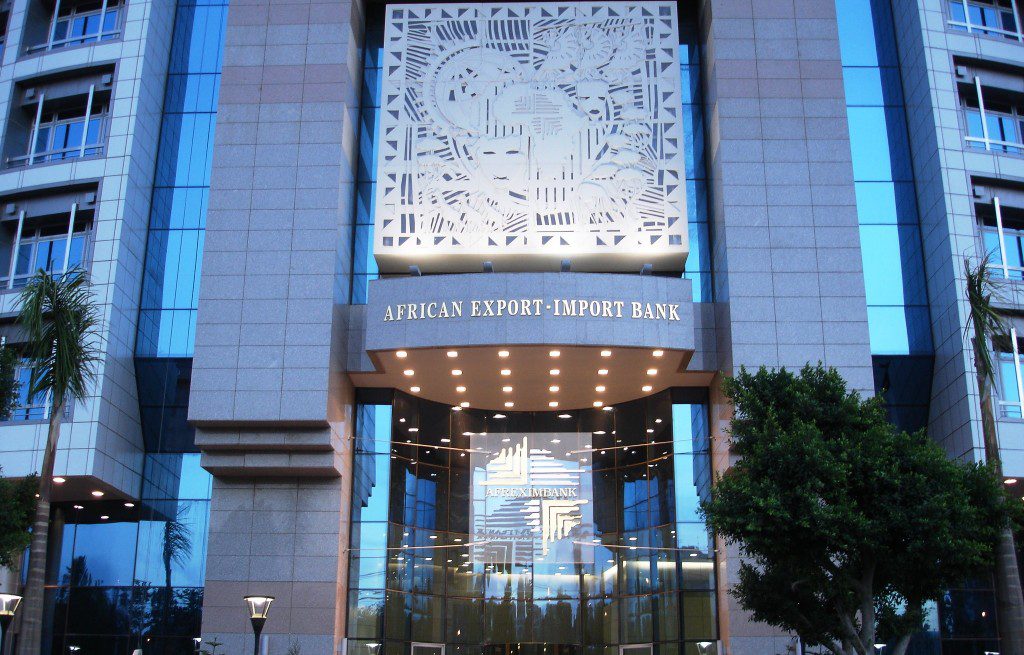
CAIRO, June 15 – The African Export-Import Bank has cancelled its annual meeting scheduled to take place next week in El Alamein, Egypt, citing public health concerns linked to the worsening Ebola outbreak in Central Africa.
According to a Reuters report, citing a statement seen by Reuters on Monday, shareholder business that was expected to be conducted during the gathering will now be handled through ”correspondence” rather than in-person meetings.
The Cairo-based trade finance institution said the decision was taken in coordination with measures adopted by the Egyptian government and the African Union following a rise in Ebola infections across the region.
The move comes as the Democratic Republic of the Congo continues to battle a growing Ebola outbreak. Authorities have reported 782 confirmed cases since the outbreak was declared a month ago, raising concerns about cross-border travel and the safety of large international gatherings. Cases have also been reported in Uganda.
In a statement, Afreximbank said the cancellation was based on precautionary measures aimed at protecting public health and ensuring the safety of participants.
“These decisions were taken on public health and safety grounds in light of the evolving health situation in parts of the continent,” the bank said.
The lender added that Egyptian authorities had similarly postponed several other international events scheduled for this month as part of broader efforts to limit potential health risks.
Afreximbank is owned by African governments, regional financial institutions and private investors, and its annual meetings typically attract policymakers, central bankers, development finance institutions and private sector leaders from across the continent and beyond.
The decision highlights the growing impact of the outbreak on regional travel and business activities. While the African Development Bank proceeded with its annual meetings in Brazzaville, Republic of Congo, last month shortly after the outbreak was declared in neighbouring DRC, concerns have intensified as case numbers continue to rise.
The cancellation underscores the potential economic and operational disruptions that health emergencies can pose to major continental institutions and international events across Africa.
