
LAGOS, Aug 12 – Nigeria is considering changes to its crude allocation and pricing framework as authorities seek to improve feedstock access for domestic refineries and strengthen the operations of the country’s growing refining industry.
According to a Reuters’ report, the proposed changes are expected to be discussed during a regulator-led review of the domestic crude supply obligation, according to the Crude Oil Refinery-owners Association of Nigeria (CORAN). The framework requires oil producers to offer allocated crude volumes to Nigerian refineries before exporting them.
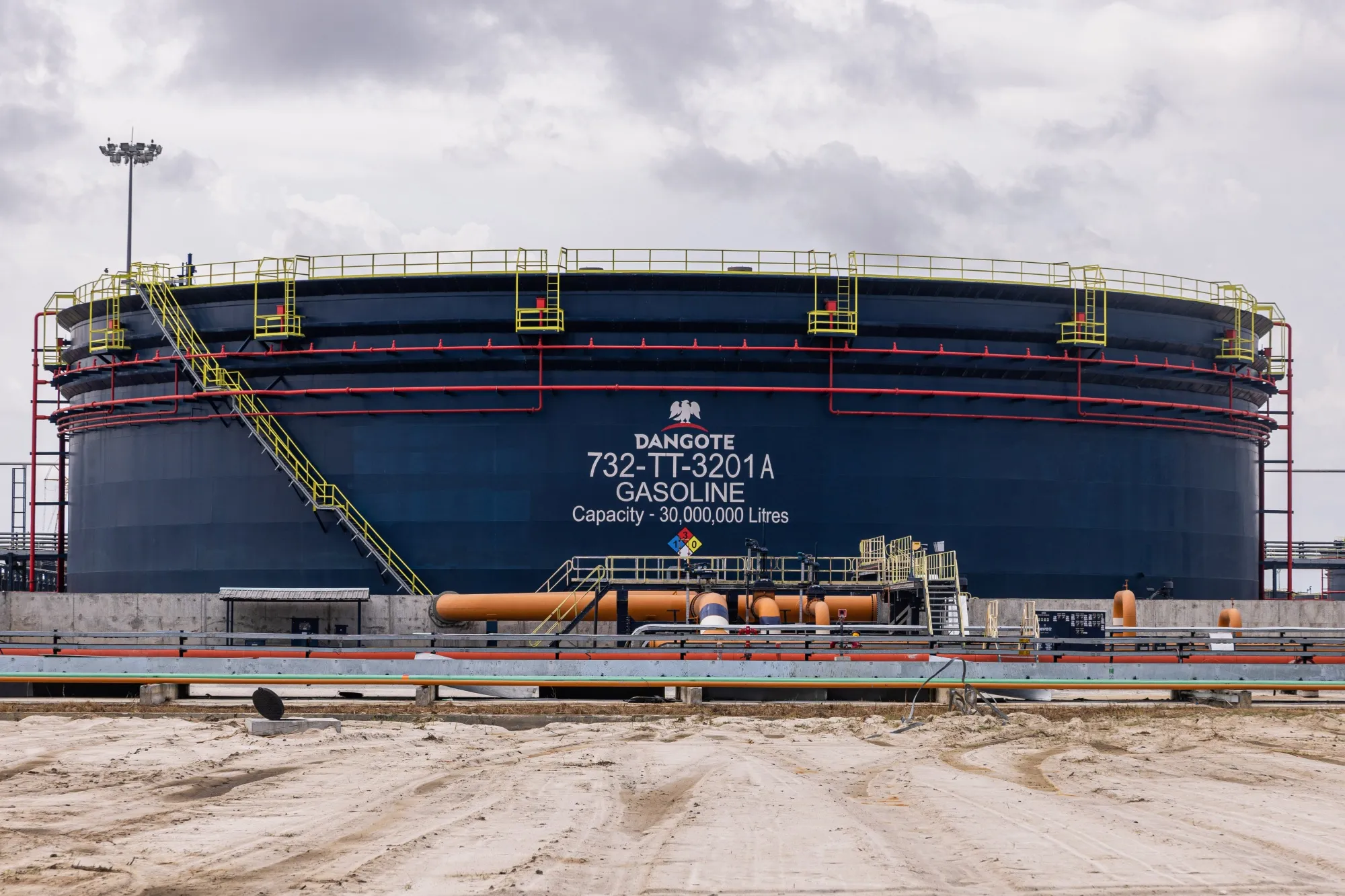
The review comes as refiners continue to face challenges securing domestic crude at competitive prices. Dangote Refinery, which has a processing capacity of 650,000 barrels per day and is Africa’s largest refinery, has previously said Nigeria’s existing pricing structure adds between $3 and $4 per barrel to its feedstock costs because crude purchases are routed through producers’ trading arms.
Market analysts have similarly identified pricing, rather than the physical availability of crude, as a major constraint in domestic transactions.
One proposal under consideration would allow producers connected to international oil companies to deliver crude directly to nearby refineries, with the relevant volumes reconciled later at the terminal. CORAN spokesperson Eche Idoko said the arrangement could reduce dependence on trunkline infrastructure and shorten the distance between crude producers and refineries.
Another proposal would allow refiners that collect crude directly from production facilities to receive a discount reflecting freight and handling costs incorporated into Brent-linked pricing but not incurred by the buyer.
“This could be a win-win for both the producers and refiners,” Idoko said.
The proposals come as compliance with Nigeria’s domestic crude supply framework has improved significantly. Data released by the Nigerian Upstream Regulatory Commission (NUPRC) showed producer compliance rising to more than 90%, compared with less than 43% in the preceding quarter.
The compliance measure tracks actual crude deliveries against volumes allocated by the regulator rather than the amount of refinery demand ultimately satisfied. Under the existing system, producers are required to offer designated crude volumes to local refiners, with transactions conducted on a willing-buyer, willing-seller basis.
A NUPRC official said the proposed changes “are on the table”, largely in response to requests from inland refiners. However, the official noted that implementation would require authorities and industry participants to address differences in crude quality as well as adjustments to pricing mechanisms.
Improving the domestic supply framework could have broader implications for Nigeria’s refining sector. Greater access to competitively priced local crude would potentially allow refineries to operate at higher utilisation rates, reduce reliance on imported feedstock and strengthen the economics of domestic fuel production.
For Dangote Refinery, which has at times reduced operations because of difficulties securing sufficient Nigerian crude, changes to the pricing and allocation system could provide greater flexibility in sourcing feedstock. It could also support the government’s broader objective of increasing domestic refining capacity and reducing Nigeria’s dependence on imported petroleum products.
The outcome of the regulator-led review will determine whether the proposed mechanisms are incorporated into Nigeria’s domestic crude supply framework and how quickly they can be implemented across the refining sector.
