
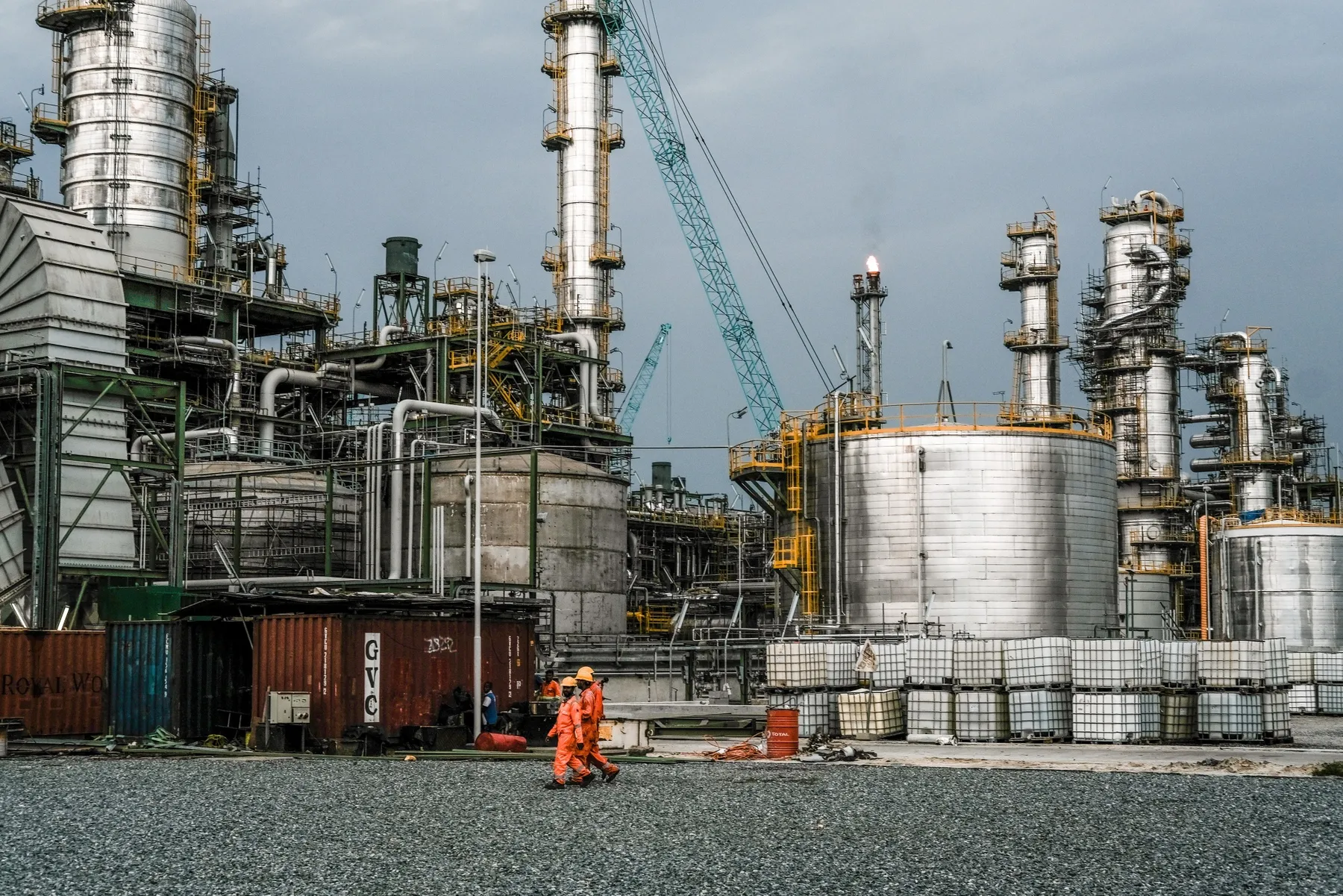
LAGOS, Aug 11 – West African energy regulators are accelerating efforts to establish a regional fuel pricing benchmark and trading hub, seeking to give the continent a greater role in determining refined petroleum prices as domestic refining capacity expands.
Rabiu Umar, chief executive of Nigeria’s Midstream and Downstream Petroleum Regulatory Authority, said the 650,000-barrel-per-day Dangote refinery has reshaped regional fuel supply chains since beginning operations in 2024 and strengthened the case for developing a West African pricing and trading system that is less dependent on international benchmarks.
“Africa must progress from being principally a price-taker in global petroleum markets to becoming an increasingly credible centre of price discovery, trading, investment and value creation,” Umar said.
The initiative is intended to establish a more integrated regional market for refined petroleum products, allowing prices to better reflect supply and demand conditions within West Africa. Regulators said progress has been made towards developing a regional benchmark market, including closer cooperation with S&P Global Commodity Insights.
Efforts to coordinate fuel pricing frameworks and regulatory systems have also advanced over the past year. However, Umar warned that significant infrastructure and market-development challenges remain, particularly inadequate logistics, limited transparency and constraints on moving petroleum products across borders.
A functioning regional trading hub would require substantial investment in pipelines, storage facilities, marine logistics and digital trading infrastructure. Such investments would improve the movement of refined products between markets while supporting greater liquidity and more efficient price formation.
The push comes as West Africa’s refining landscape begins to change. Nigeria’s Dangote refinery, one of the largest single-train refineries in the world, has increased the region’s potential to source refined fuels closer to home rather than relying predominantly on imported products.
For the regional market to capture those benefits, regulators are also seeking greater harmonisation of fuel standards, licensing requirements and cross-border trading rules. Differences between national regulatory frameworks can increase transaction costs and create barriers to the movement of petroleum products across neighbouring countries.
A more integrated market could reduce some of these inefficiencies by creating common standards and clearer rules for traders, refiners and distributors. It could also strengthen competition and improve the reliability of regional fuel supplies.
The broader objective is to move West Africa beyond its traditional position as a price-taker in international petroleum markets. By combining expanding refining capacity with stronger infrastructure, harmonised regulation and transparent trading mechanisms, the region could develop a more influential role in refined-product price discovery and energy trade.
The success of the proposed hub will ultimately depend on whether governments can translate regulatory cooperation into the infrastructure, market liquidity and cross-border systems needed to support sustained regional trading.
