
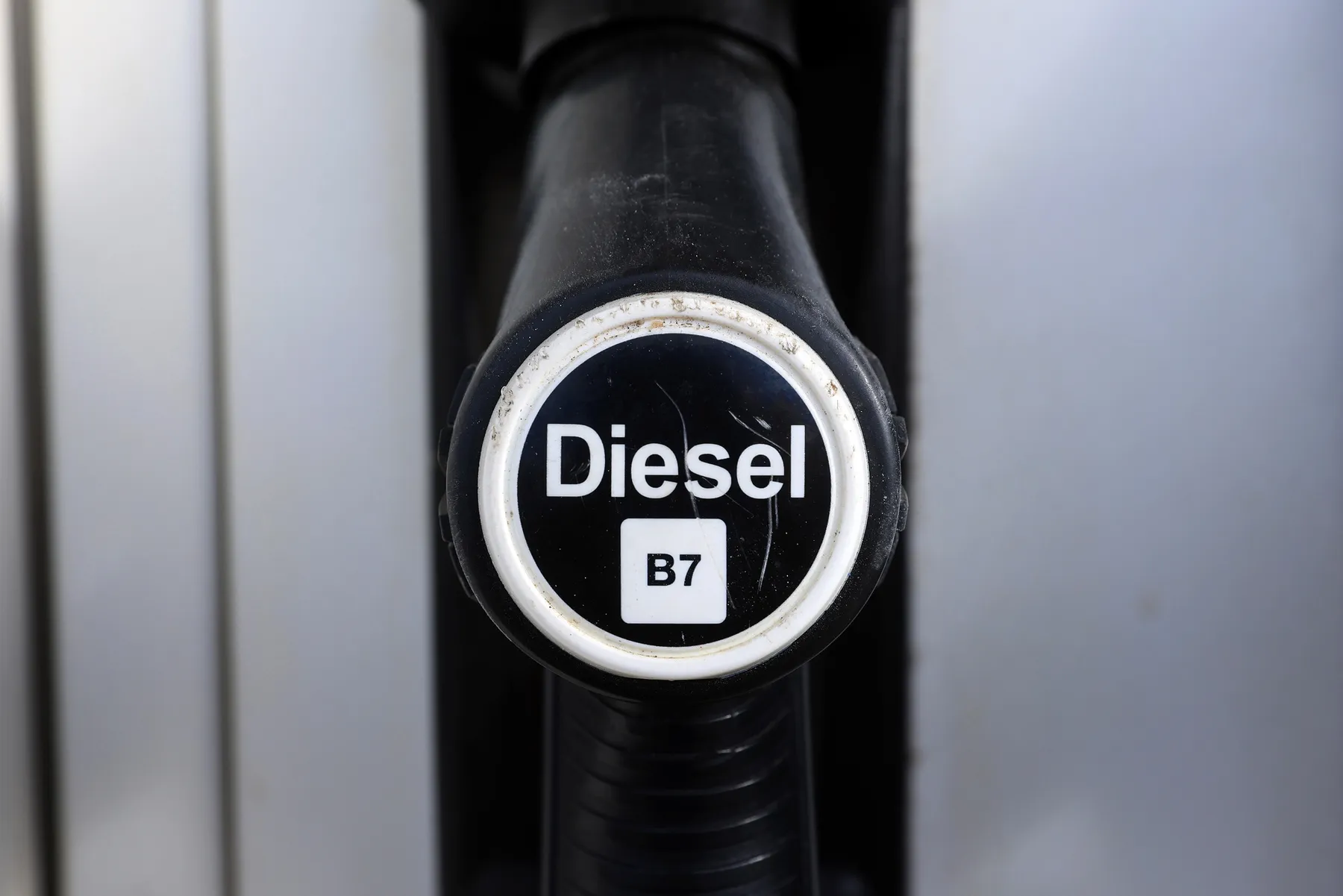
NAIROBI, May 19 – Kenya has reduced diesel prices following deadly nationwide protests over rising fuel costs, as the government moves to contain growing public anger over the cost of living.
The country’s Energy and Petroleum Regulatory Authority said Tuesday that diesel prices were cut by 7% after petitions from public transport operators and mounting pressure from commuter groups.
The move came after at least four people were killed during protests on Monday organized by operators of Kenya’s minibus taxi network, which forms the backbone of the country’s urban transport system.
Talks between transport unions and the energy ministry later ended without a broader agreement. Fuel costs in Kenya have surged since the outbreak of conflict involving the United States, Israel and Iran disrupted shipping through the Strait of Hormuz, a critical route for global oil supplies.
The government previously reduced fuel value-added tax to 8% from 16% in April, a measure estimated to have reduced state revenue by 24 billion shillings ($185.6 million) over two months.
Authorities have also deployed 11.2 billion shillings from a fuel stabilization fund to cushion consumers against higher prices and plan to inject an additional 5 billion shillings ahead of the next monthly fuel-price review.
The sharp increase in global energy prices has added pressure to Kenya’s import-dependent economy, which the International Monetary Fund already classifies as facing a high risk of debt distress.
Business groups including the Kenya National Chamber of Commerce and Industry have criticized the large share of taxes and levies embedded in fuel prices, including road-maintenance and railway development charges that account for roughly one-third of pump prices.
John Mbadi said the interventions are aimed at reducing pressure on households and transport operators as inflation accelerates.
Despite the measures, Kenya’s inflation rate climbed to a two-year high in April, moving above the midpoint of the central bank’s target range.
The unrest highlights mounting economic pressure across several African economies heavily exposed to rising energy import costs following the escalation of geopolitical tensions in the Middle East.
Similar transport-related protests recently occurred in Comoros, where a strike over fuel-price increases disrupted transport activity and forced the government to temporarily reverse some price hikes.
