
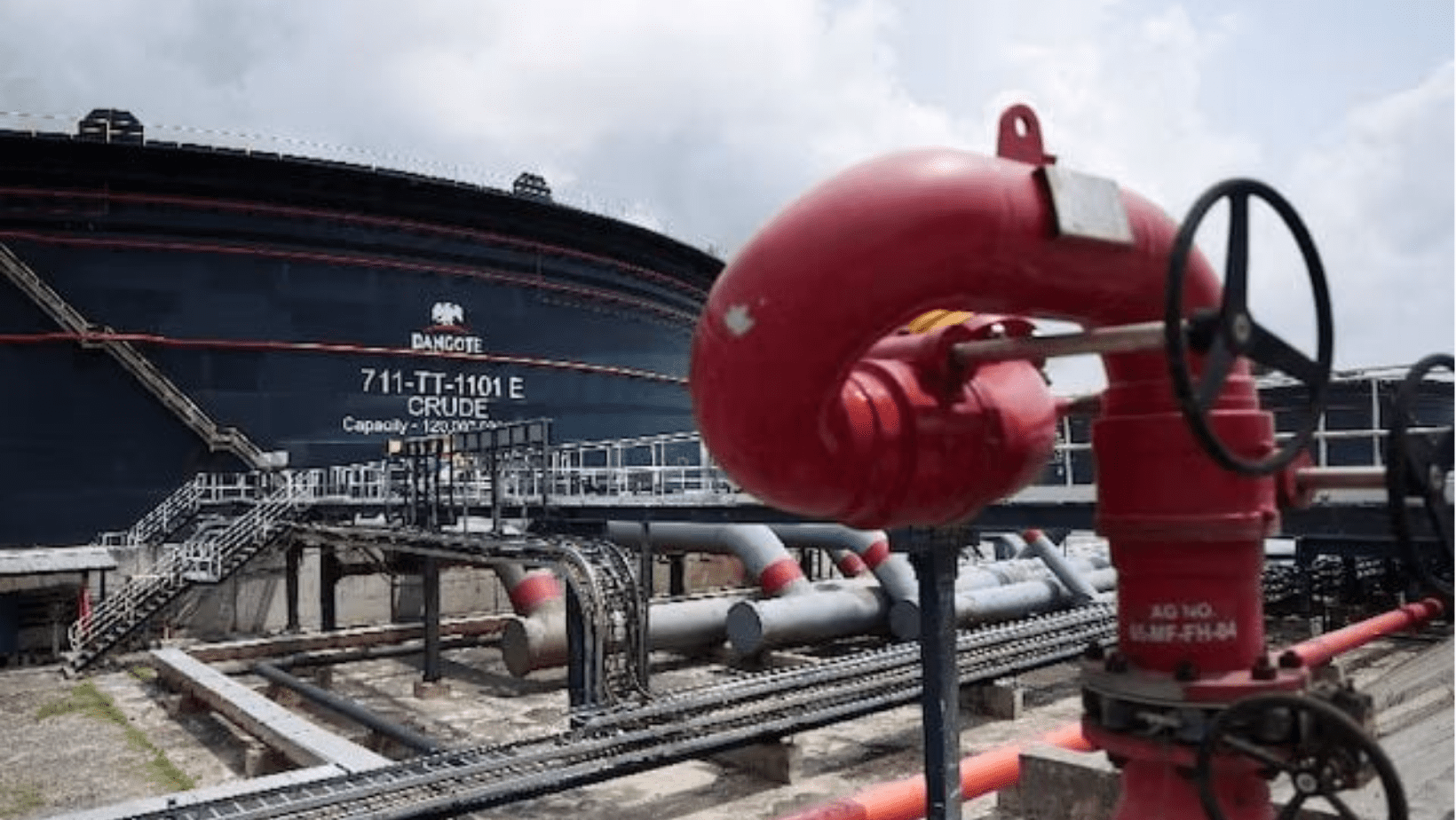
LAGOS, May 19 – Fuel marketers in Nigeria have pushed back against a lawsuit by Dangote Petroleum Refinery seeking to block fuel import licences, warning that the move could destabilise supply and competition in the downstream sector.
The dispute follows a fresh court filing in which Dangote challenged permits issued to fuel traders and the state oil company, NNPC Limited, arguing that continued imports undermine the refinery’s output and conflict with regulations under the Petroleum Industry Act.
The refinery, which began operations in 2024, has argued that Nigeria should rely more on domestic refining capacity and limit imports where local supply is sufficient.
In response, the Depot and Petroleum Products Marketers Association of Nigeria (DAPPMAN) said the import licences were lawful tools issued by the regulator to ensure maintain supply security and market stability.
The group said the Nigerian Midstream and Downstream Petroleum Regulatory Authority has the legal mandate to issue import permits where needed to maintain supply security, adding that withdrawing them would create uncertainty in a sector that depends on long-term investment.
“These licences exist to protect supply, not to disadvantage any single producer,” DAPPMAN said in a statement, adding that members had invested heavily in storage and distribution infrastructure based on existing approvals.
Marketers also warned that cancelling or reversing existing permits could disrupt operations across the downstream market, where multiple importers currently bridge supply gaps.
The dispute has intensified long-running tensions between the refinery and fuel importers over market structure, pricing power and the pace of Nigeria’s shift toward local refining.
DAPPMAN said it would engage legal counsel and regulators as the case progresses, arguing that the downstream sector must remain open and competitive to avoid concentration in the hands of a single supplier.
Nigeria, Africa’s biggest crude producer, still relies on imported refined fuel despite the start of large-scale domestic refining with the Dangote plant seen as central to reducing that dependence, though pricing and supply control remain contested.