
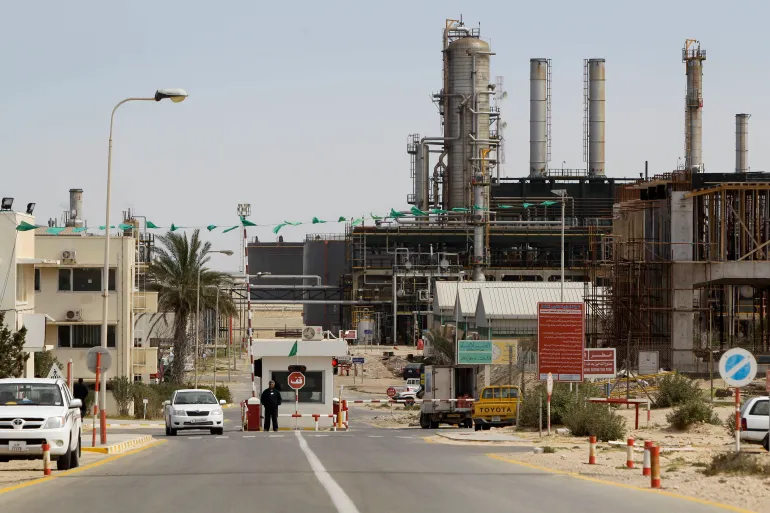
TRIPOLI, May 11 – Libya has shut down its largest functioning oil refinery after armed clashes erupted near the key energy facility in Zawiya, raising fresh concerns over supply disruptions in the conflict-hit country.
The refinery, located about 40 kilometres west of the capital Tripoli, has a processing capacity of 120,000 barrels per day and is linked to Libya’s major Sharara oilfield, which produces around 300,000 barrels daily.
Operator Azzawiya Oil Refining Company said it had declared an emergency and completely halted refinery operations after heavy shelling struck multiple areas inside the complex.
A Facebook statement said alarm sirens were activated “following armed clashes involving heavy weapons that erupted around the oil complex in the early hours of Friday”.
“These clashes resulted in several heavy weapons projectiles landing in various locations within the oil complex,” adding that no significant damage had been reported.
“However, the clashes have intensified and reached the residential area adjacent to the refinery, making the area a direct target for heavy shelling and significantly increasing the risk of further damage,” it said.
The company also evacuated all tankers from the port as fighting intensified around the facility.
National Oil Corporation said several heavy-calibre projectiles landed within the oil complex, although there had been no reports of major structural damage so far.
According to the NOC, clashes spread into residential areas adjacent to the refinery, increasing security risks to both the facility and nearby communities.
Authorities said fuel supplies to Tripoli and surrounding regions had not yet been disrupted despite the precautionary shutdown.
There was no immediate confirmation regarding the groups involved in the violence or the trigger for the clashes, though Zawiya’s security directorate described the operation as targeting “outlaws.”
The latest unrest underscores Libya’s continuing instability more than a decade after the overthrow of former leader Muammar Gaddafi in 2011.
Zawiya has repeatedly witnessed armed confrontations in recent years, with violence at times forcing the closure of the strategic coastal highway linking Libya to the Tunisian border.
Online footage circulating from the city appeared to show heavy gunfire and escalating unrest, though the videos could not immediately be independently verified.
The refinery shutdown adds to concerns over the vulnerability of Libya’s energy infrastructure amid persistent political fragmentation and armed conflict.
