
LAGOS, May 6 – Nigeria’s crude producers supplied local refineries with less than half of allocated volumes in the first quarter of 2026, underscoring persistent bottlenecks in the country’s domestic supply framework.
Data from the Nigerian Upstream Petroleum Regulatory Commission showed that 61.9 million barrels were allocated to domestic refineries under the Domestic Crude Supply Obligation, while producers made 68.7 million barrels available.
Actual deliveries, however, reached just 28.5 million barrels, representing about 46% of allocated volumes and roughly 41% of the total offered.
The shortfall highlights ongoing friction between producers and refiners, particularly over pricing. The regulator said transactions continue to operate on a “willing buyer, willing seller” basis, with disagreements over pricing limiting the conversion of supply commitments into actual deliveries.
The gap has raised concerns about the effectiveness of reforms introduced under the Petroleum Industry Act, which aimed to boost local refining capacity and reduce dependence on imported fuels.
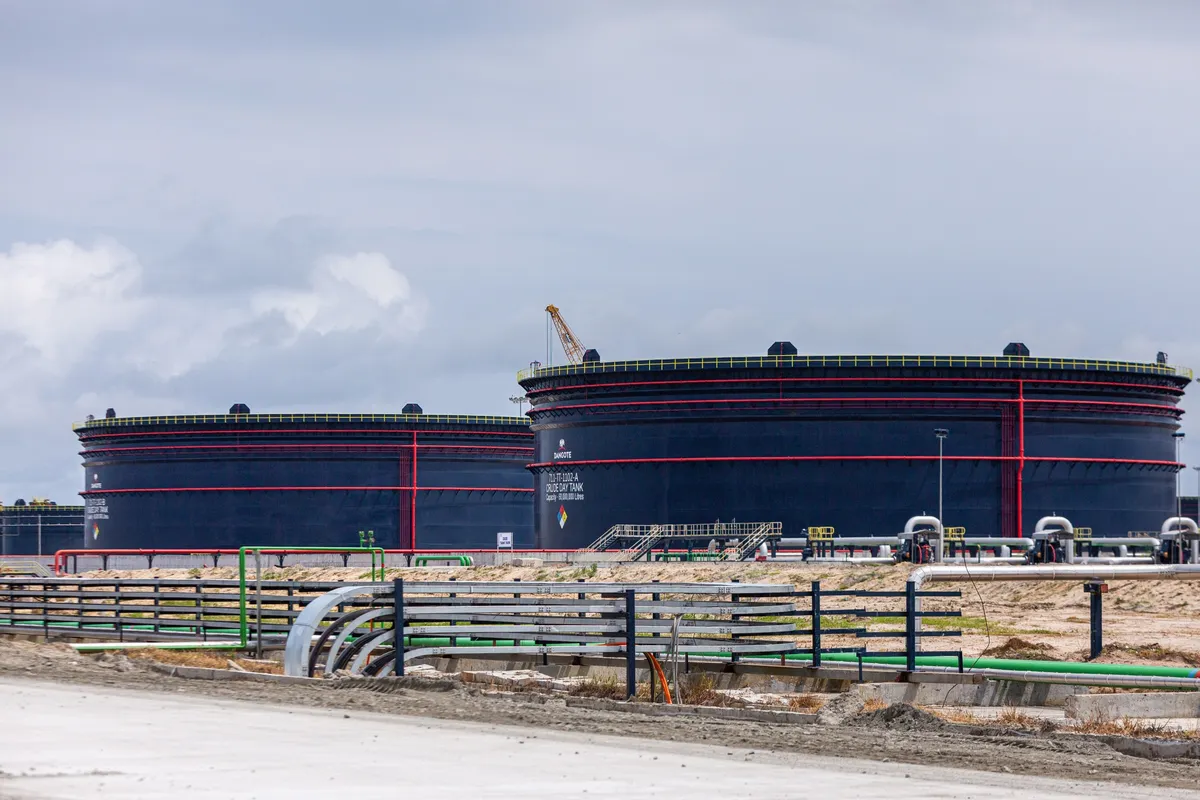
It also reinforces challenges flagged by the Dangote Petroleum Refinery, Africa’s largest refining facility, which has pointed to inconsistent domestic crude supply and pricing tensions as key constraints on operations.
The under-delivery risks slowing Nigeria’s broader strategy to capture more value from its oil production through local processing, at a time when the government is seeking to strengthen energy security and reduce import bills.
