
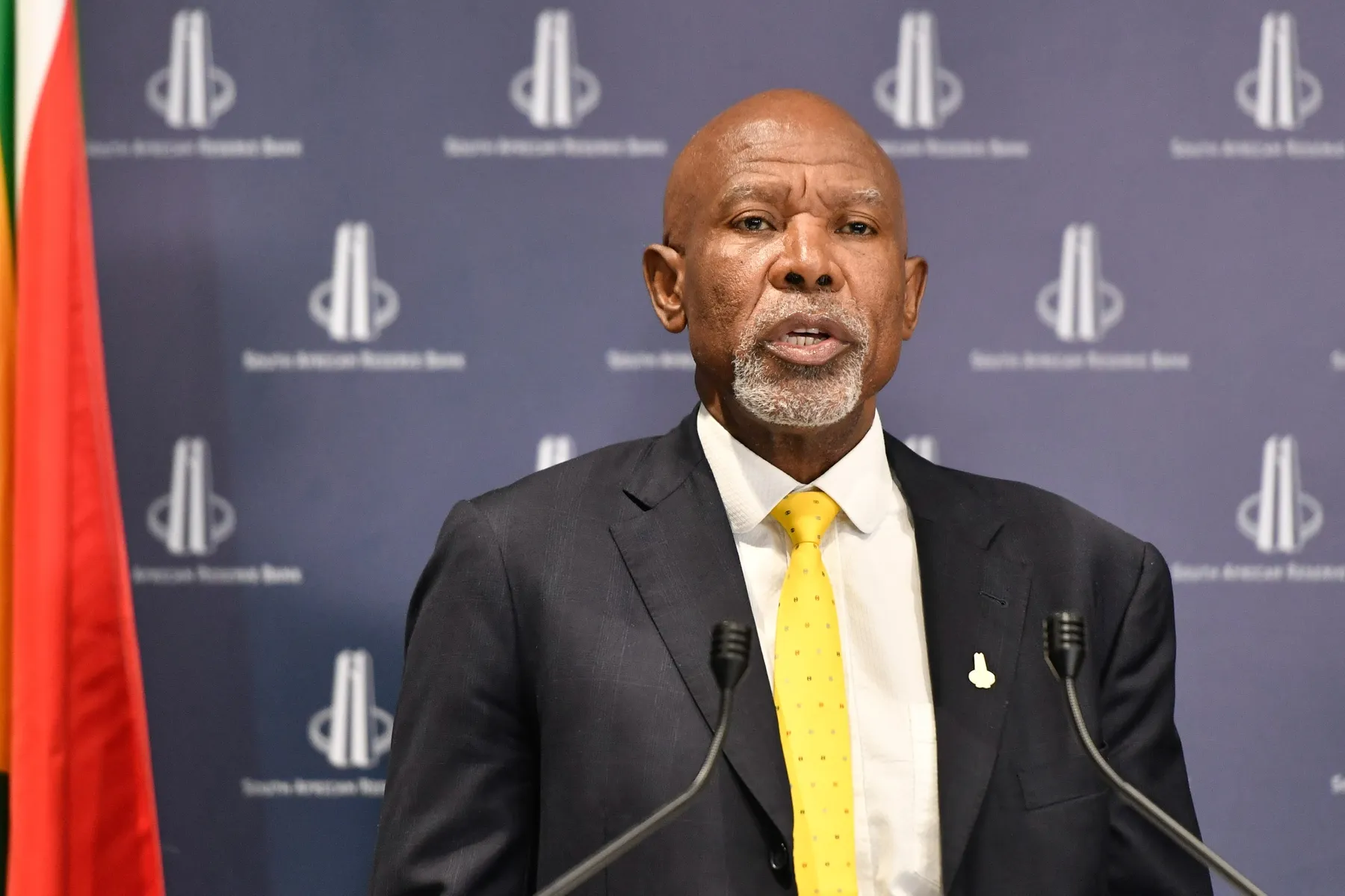
JOHANNESBURG, May 5 – South Africa’s central bank signaled a cautious, data-driven approach to interest rate decisions, as rising global uncertainty and energy shocks complicate the inflation outlook.
Governor Lesetja Kganyago said policymakers would “very carefully” assess incoming data before deciding their next move, highlighting the risk of second-round inflation effects following the surge in global oil prices.
“We are not going to pre-commit to a path and give up optionality,” Kganyago said during remarks in the Eastern Cape. “Our focus is to maximise certainty about where inflation is going specifically, that it returns to 3%.”
The South African Reserve Bank held its benchmark rate at 6.75% in March and is scheduled to announce its next decision on May 28. Officials have paused to evaluate the economic fallout from escalating geopolitical tensions in the Middle East.
Oil prices have risen sharply since the conflict began, driven in part by disruptions to flows through the Strait of Hormuz, a key global energy corridor. The shock has already pushed domestic diesel prices to record levels, adding pressure to consumer prices.
Inflation, which stood at 3.1% in March, is expected to accelerate in the coming months as higher fuel and food costs filter through the economy. The central bank’s projections show inflation peaking at 4.3%, while fuel-price growth could reach 18.3% in the second quarter.
Kganyago warned that food inflation presents a particularly significant risk, given the impact of higher fertilizer and diesel costs on supply chains. Persistent increases in both fuel and food prices could also shift inflation expectations, complicating the policy response.
Despite the near-term pressures, the central bank remains committed to its 3% inflation target, even if the timeline to achieve it has been extended.
“If we do have to raise rates, it will be to sustain low and stable inflation,” Kganyago said, adding that policymakers are closely monitoring indicators such as wage trends, inflation expectations and core inflation.
He also noted that global monetary conditions will influence domestic policy decisions, suggesting it would be difficult for South Africa to diverge significantly from a broader tightening cycle if inflation pressures persist.
The remarks underscore the delicate balancing act facing policymakers as they navigate rising inflation risks while trying to support economic stability in an increasingly uncertain global environment.
