
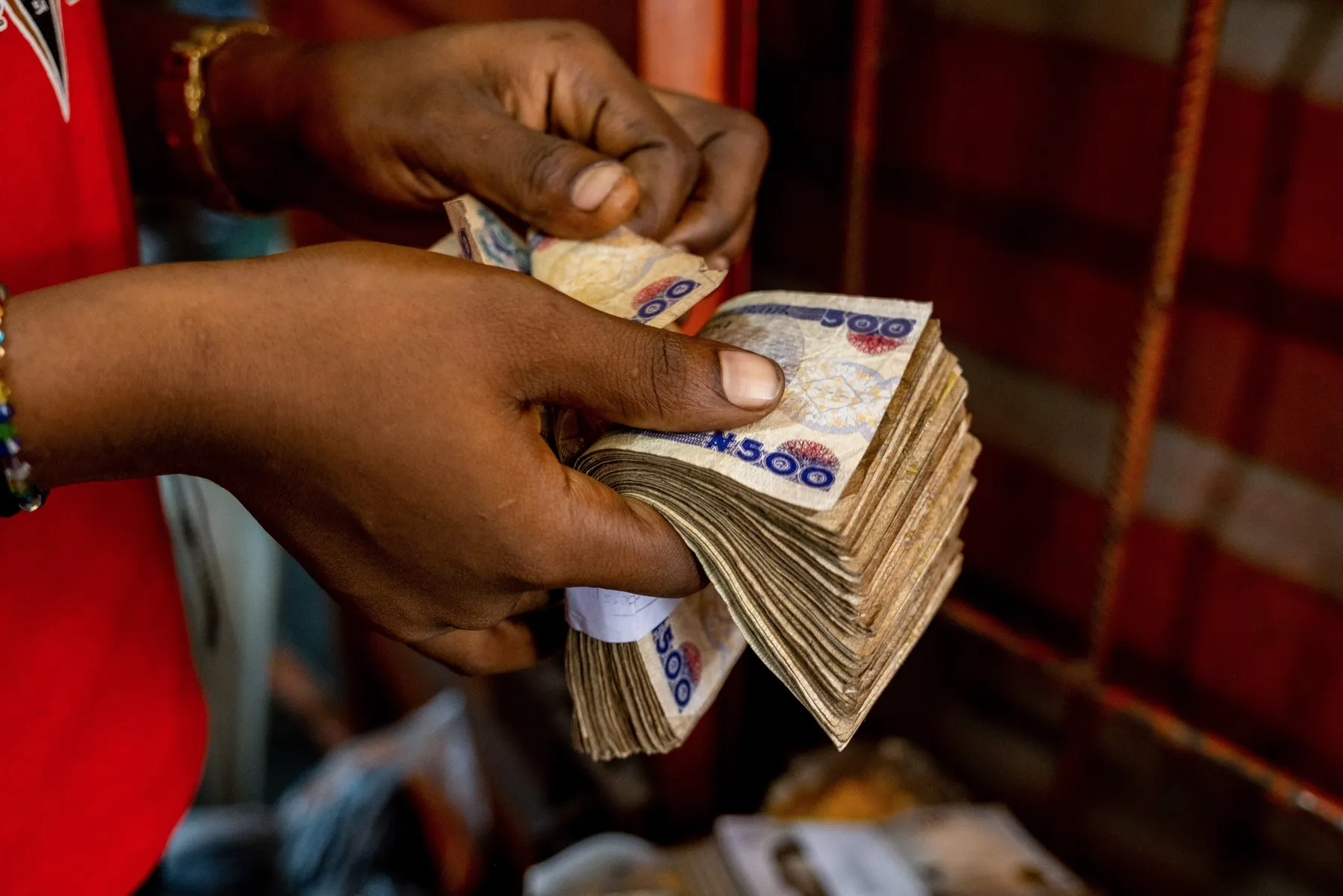
LAGOS, May 4 – Nigerian naira strengthened against the British pound sterling in official trading, supported by improved foreign-exchange liquidity and continued policy intervention from the Central Bank of Nigeria.
The pound was quoted at N1,858, according to central bank data, marking a gain of N38 from the naira’s recent low of N1,896 per pound recorded on April 29. The move signals a modest recovery in the local currency after months of elevated volatility.
Price action in the official market has remained relatively stable, with the currency pair consolidating within a narrow range. Analysts say the naira could test stronger levels if resistance around N1,850 holds, particularly as the central bank continues to manage liquidity conditions.
Still, underlying pressures remain. The naira is highly sensitive to global oil price movements, which directly influence Nigeria’s export earnings and foreign-exchange inflows. Recent gains have been partly supported by stronger crude receipts, though volatility tied to geopolitical tensions continues to pose risks.
In contrast, the pound has drawn support from the policy stance of the Bank of England, which has maintained a relatively hawkish tone amid persistent inflation. Governor Andrew Bailey has signaled that interest rates could rise further if energy-driven inflationary pressures intensify. UK inflation stood at 3.3% in March, reinforcing expectations that borrowing costs may need to remain elevated.
The divergence between official and parallel market rates persists. Unofficial trading in major Nigerian cities has priced the pound closer to N1,910, reflecting sustained demand from travelers and students seeking foreign exchange. Authorities have introduced measures aimed at narrowing this gap, though structural demand continues to weigh on the currency.
Globally, currency markets remain influenced by developments in the Middle East, particularly disruptions around the Strait of Hormuz, a key transit route for energy supplies. Rising oil prices have added to inflation concerns and could shape monetary policy decisions across major economies.
The pound traded around 1.36 against the US dollar, supported by expectations of tighter monetary policy in the UK. Investors are now focused on upcoming U.S. labor market data, which could influence broader currency dynamics and risk sentiment.
For Nigeria, the near-term outlook for the naira will hinge on sustained foreign-exchange inflows, central bank policy consistency, and global commodity trends. While recent stability marks an improvement, the currency remains exposed to shifts in oil prices and external financial conditions.
