
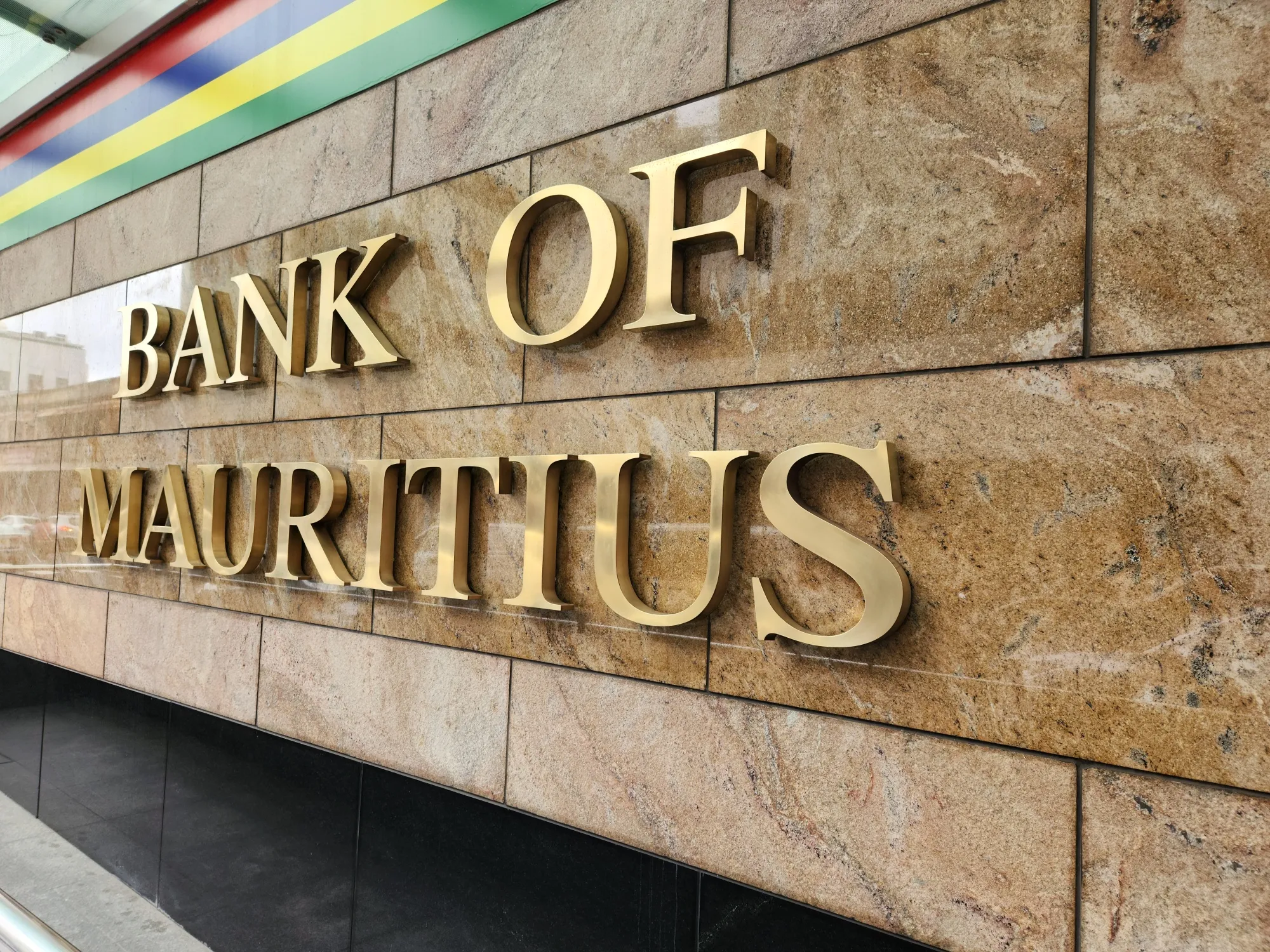
PORT LOUIS, May 5 – Mauritius may see inflation exceed its target range this year as rising global energy and freight costs, driven by the Middle East conflict, feed into domestic prices.
Governor Priscilla Muthoora Thakoor said inflation could approach or surpass 5% if the conflict persists, compared with the central bank’s earlier forecast of 3.6% for the year.
“As the war drags on, we might be looking at inflation rates closer to the upper bound of our target range,” Thakoor said in Port Louis. “There is a chance we could exceed 5% if the situation escalates.”
The Bank of Mauritius has kept inflation within its 2% to 5% target band in recent months, following a peak of 12.2% in late 2022. However, renewed pressure from higher fuel and import costs is beginning to test that stability.
Since the escalation of the conflict in February, the government has raised gasoline prices for the first time since 2023, while diesel costs have climbed to record levels. The state-owned Central Electricity Board is also set to implement a 15% increase in electricity tariffs, adding further pressure on households and businesses.
The central bank is expected to review its policy stance at its next monetary policy committee meeting on May 20. The benchmark interest rate has been held at 4.5% in recent meetings, as policymakers weigh inflation risks against economic growth prospects.
Thakoor said future decisions would depend on incoming data, including inflation trends, growth outlook and broader economic conditions.
Mauritius, which relies heavily on imports for fuel, food and equipment, remains vulnerable to external shocks. The country is projected to record a trade deficit of about $4.47 billion this year, reflecting continued pressure on its external balances.
The Mauritian rupee has weakened modestly against the dollar this year, trading near recent lows, as demand for foreign currency remains elevated.
The outlook highlights the challenge facing policymakers as they attempt to balance inflation control with economic stability in an increasingly volatile global environment.
