
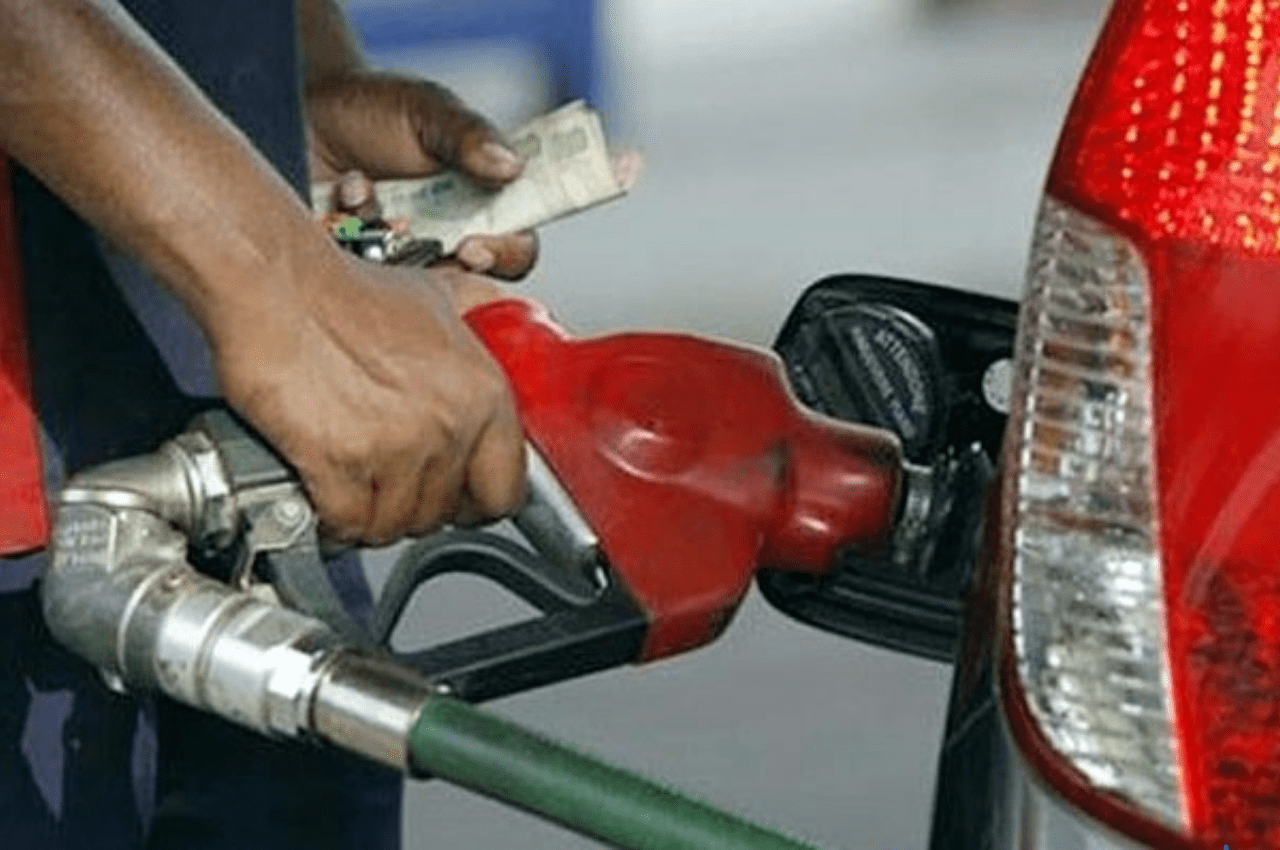
ABUJA, April 15 – Nigeria would have spent as much as ₦52 trillion ($38.5 billion) on fuel subsidies in 2026 if the policy had remained in place, according to the Executive Chairman of the Nigeria Revenue Service, Zacch Adedeji.
Speaking at the commissioning of the agency’s new headquarters in Abuja, Adedeji said the projected subsidy bill would have accounted for about 76% of the ₦68 trillion national budget, highlighting the scale of fiscal pressure the government has avoided following the policy’s removal.
He noted that estimates placed the potential subsidy cost between ₦38 trillion and ₦52 trillion, depending on oil price assumptions, with projections based on crude prices of around $120 per barrel.
The disclosure highlights the weight subsidy payments previously placed on public finances as in 2022 alone, Nigeria spent about ₦4.3 trillion on fuel subsidies, while ₦3.36 trillion had already been allocated for the first half of 2023 before the policy was scrapped.
Adedeji said recent reforms, including subsidy removal, exchange rate unification, and the introduction of the naira-for-crude initiative, have helped improve the country’s fiscal position, adding that external reserves have risen to about $34 billion, compared to projections of roughly $2 billion under the previous policy path.
The naira-for-crude arrangement has also reduced the cost of petrol imports, with current spending estimated at about half of what it would have been under earlier conditions.
He explained that the removal of subsidies has freed up fiscal space, allowing for increased allocations to subnational governments and improved revenue performance.
The newly commissioned headquarters, a 16-floor complex designed to accommodate over 3,000 staff, is expected to support the agency’s expanded role in revenue mobilisation and tax administration.
Officials said the investment forms part of broader efforts to strengthen public finance management and improve efficiency in revenue collection.
