
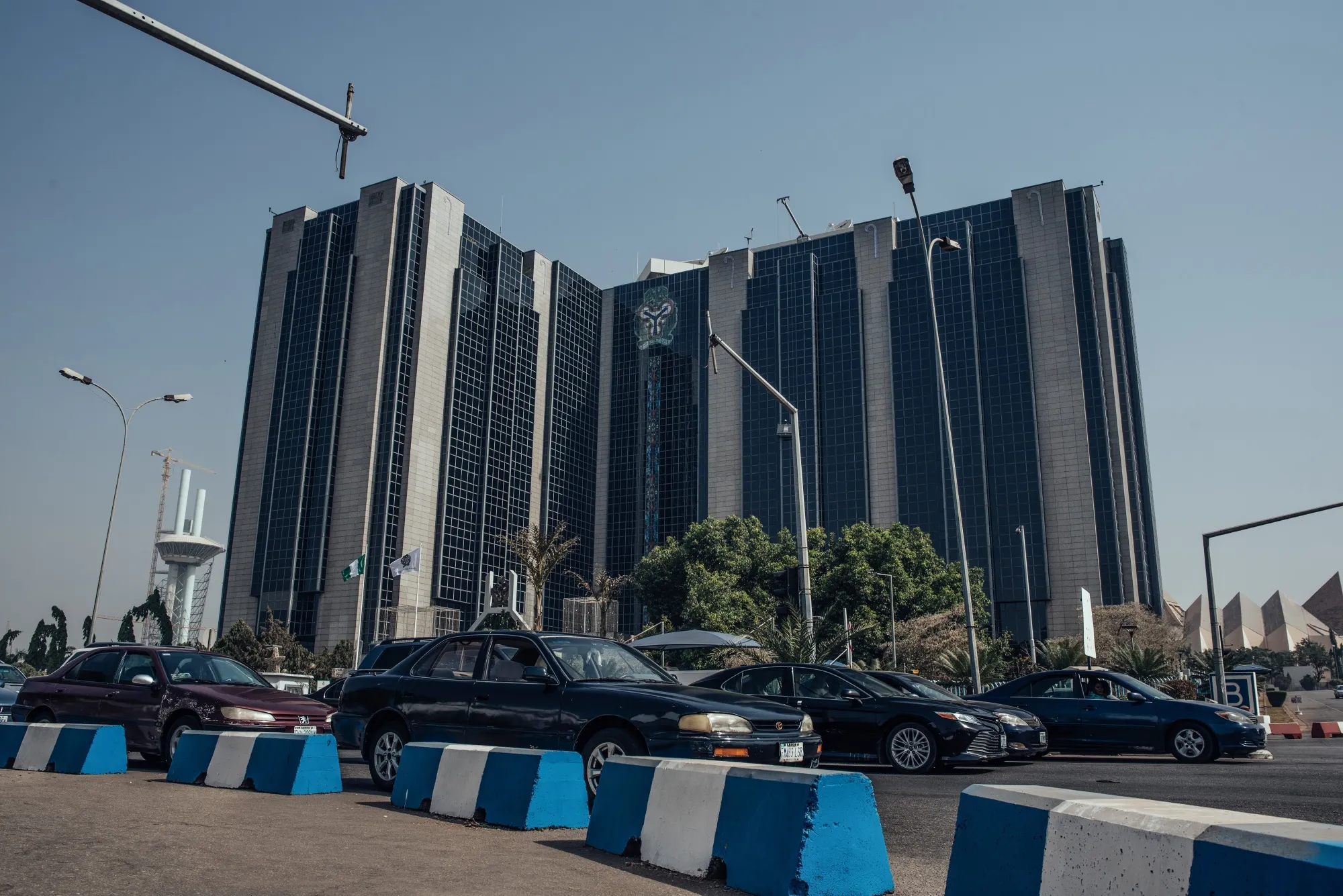
LAGOS, April 2 – Nigeria’s banking sector has raised a total of ₦4.65 trillion ($3.36 billion) in fresh capital, marking the successful conclusion of a sweeping recapitalization programme led by the Central Bank of Nigeria.
The 24-month exercise, which ran from April 2024 to March 2026, saw 33 banks meet the regulator’s revised minimum capital requirements, aimed at strengthening financial system stability and enhancing banks’ ability to support economic expansion.
Investor participation remained robust throughout the programme, with domestic sources accounting for 72.55% of total capital raised, while international investors contributed 27.45%, reflecting sustained confidence in Nigeria’s banking sector.
The recapitalisation framework introduced tiered capital thresholds based on banking licences. Institutions with international authorisation were required to raise ₦500 billion, while national and regional banks faced minimum requirements of ₦200 billion and ₦50 billion respectively. Non-interest banks were also included, with thresholds set at ₦20 billion for national licences and ₦10 billion for regional operations.
According to the regulator, capital adequacy ratios across the sector now exceed global Basel standards, with minimum thresholds of 10% for regional and national banks and 15% for international banks. This positions Nigerian lenders with stronger balance sheets to absorb shocks and expand credit to the real economy.
While a small number of banks did not meet the requirements and remain under regulatory and judicial review, the Central Bank confirmed that all institutions continue to operate without disruption to customer services.
The recapitalisation was implemented alongside a phased exit from regulatory forbearance, contributing to improvements in asset quality and greater transparency across bank balance sheets.
The successful capital raise signals a structural strengthening of Nigeria’s financial system, positioning banks to play a more significant role in financing infrastructure, industrial growth and private sector expansion in Africa’s largest economy.
