
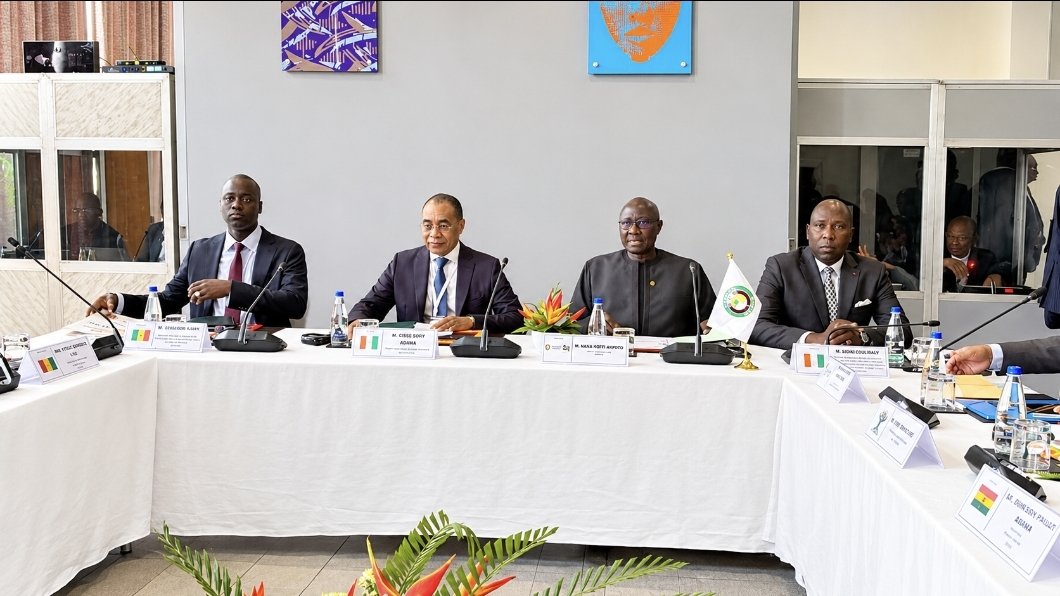
LAGOS, Nov 26 – The Economic Community of West African States (ECOWAS) is intensifying preparations for the proposed introduction of its single currency, the ECO, from 2027, as regional policymakers seek to accelerate economic reforms and strengthen political support for monetary integration.
The sixth meeting of the Ministerial Committee of the Presidential Task Force on the ECOWAS Single Currency Programme took place on November 20, 2026, in Abidjan, Côte d’Ivoire. The meeting was chaired by Adama Coulibaly, Côte d’Ivoire’s Minister of Economy, Finance and Budget, with the participation of ECOWAS Commission President General Birame Diop.
The discussions focused on priority measures required to support the gradual, inclusive and effective implementation of the ECO by 2027. These included strengthening political consensus among member states, accelerating macroeconomic and structural reforms, and finalising the institutional and operational arrangements needed for the currency’s introduction.
Diop reaffirmed the ECOWAS Commission’s commitment to accelerating regional monetary integration, underscoring the importance of coordinated action among member countries.
The ministerial meeting also formed part of preparations for the sixth session of the Presidential Task Force, convened under the theme: “Accelerating priority reforms and consolidating the political consensus in favour of the gradual, inclusive and effective implementation of the ECO by 2027”.
Political coordination and economic convergence
The ECO programme has long been a central component of ECOWAS’s regional integration agenda. Its implementation requires coordination across member states, particularly on macroeconomic policies, institutional frameworks and the operational requirements of a shared currency.
The latest ministerial discussions place renewed emphasis on building political consensus while advancing the economic and structural reforms considered necessary for monetary integration.
The reference to a gradual and inclusive implementation approach also points to the importance of preparing countries and regional institutions for a phased process rather than treating the proposed 2027 timeline as an automatic, region-wide launch.
The meeting’s stated priorities include completing the institutional and operational arrangements for the currency, although the information released does not specify the outstanding reforms, individual country readiness assessments or a detailed implementation timetable.
The proposed 2027 launch therefore remains dependent on the progress of these preparations and the ability of member states to consolidate the political and economic foundations of the programme.
