
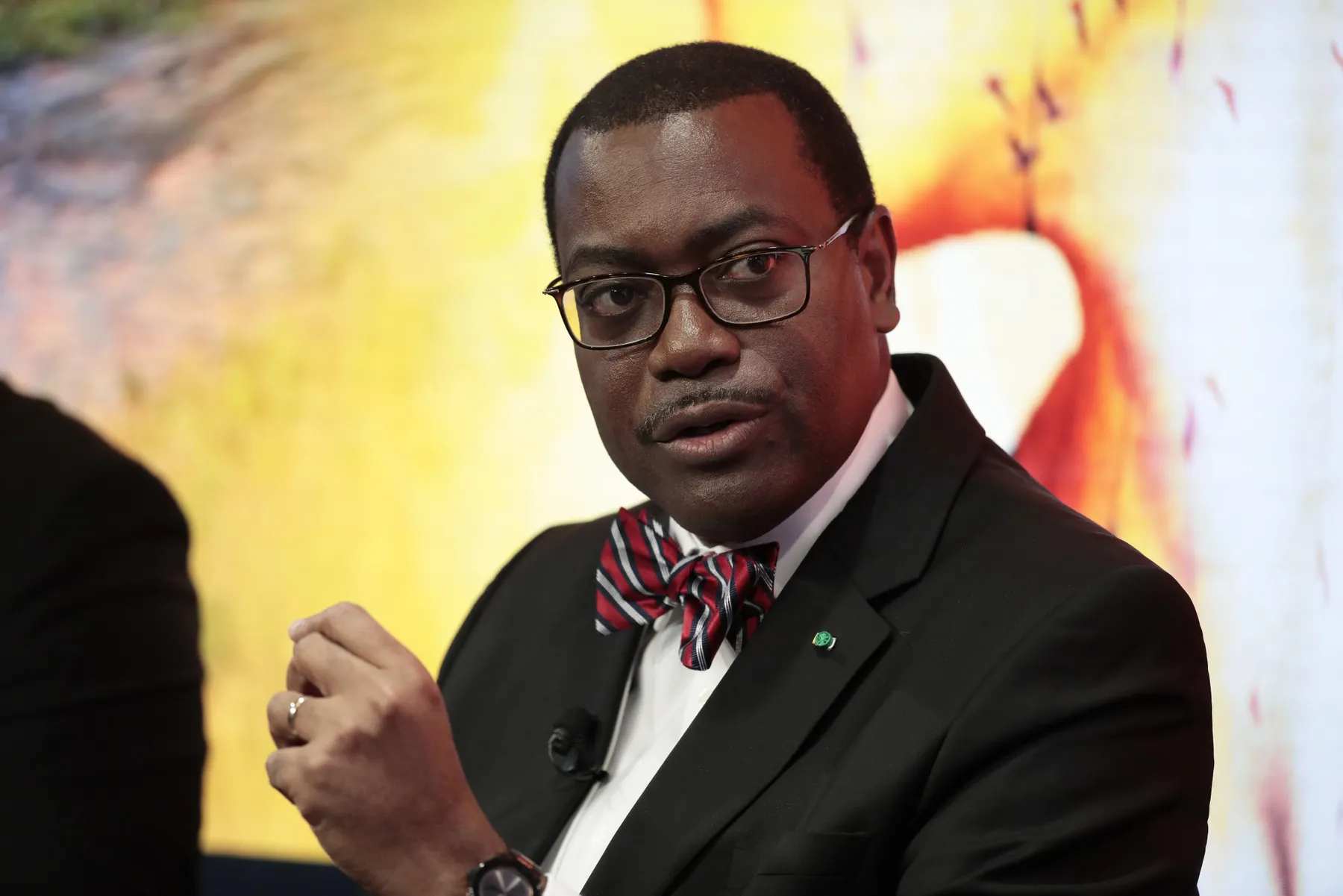
LAGOS, Nov 26 – Former African Development Bank president Akinwumi Adesina has proposed a $50 billion investment mobilisation drive to expand Africa’s participation in the global space economy, calling on the presidents of Nigeria, Rwanda and Egypt to provide political leadership for the initiative.
Speaking at the Africa Space Economy, Innovation and Communication Conference 2026 in Abuja, Adesina proposed the establishment of an Africa Space Future Fund, with an initial capitalisation target of $5 billion and the ambition of mobilising up to $50 billion in cumulative investments over the next 10 to 15 years.
He identified Nigerian President Bola Tinubu, Rwandan President Paul Kagame and Egyptian President Abdel Fattah el-Sisi as potential founding political anchors, arguing that their countries bring complementary capabilities and commitments to space technology and innovation.
In his proposal, Nigeria would contribute its growing commitment to space technology, Rwanda its experience in technology-driven development, and Egypt its established space infrastructure and role as host of the African Space Agency.
Adesina clarified that the $50 billion ambition was not a request for African governments to finance the initiative directly from their national budgets. Rather, it would represent a long-term investment mobilisation target involving public and private capital.
The proposed fund would bring together governments, sovereign wealth funds, development finance institutions, pension funds, insurance companies, private investors, international partners and the African diaspora.
Its investments would support space infrastructure, research, innovation, manufacturing and commercial space enterprises, with an emphasis on strengthening African ownership and developing industrial capabilities within the continent.
Adesina also called for the fund to operate under an independent governance structure, with professional investment management, rigorous due diligence and transparent accountability. Such arrangements, he argued, would be important to attracting institutional investors and ensuring that capital is deployed effectively.
Africa Link and the case for continental infrastructure
Alongside the proposed fund, Adesina outlined the Africa Link initiative as a flagship programme to expand satellite connectivity and strengthen Africa’s ability to own and operate its digital infrastructure.
The initiative would begin by aggregating demand across African countries, developing shared ground infrastructure and establishing partnerships with satellite operators. Over time, it would seek to support the development of African network operations, technology capabilities, manufacturing and ownership.
The proposal reflects a broader argument that Africa’s participation in the space economy should extend beyond purchasing satellite services and equipment. Building domestic capabilities in research, engineering, manufacturing and commercial operations would allow more of the economic value generated by the industry to remain within the continent.
Adesina said Africa needed to move beyond being a consumer of technologies developed elsewhere and become an active participant in the global industry.
He said the global space economy was projected to reach $1.8 trillion by 2035 and argued that the continent needed to increase investment to capture a greater share of the sector’s growth. He also called for Africa to aspire to become one of the world’s leading space economies by 2050.
From satellite deployment to industrial capacity
African countries have expanded their involvement in space activities through national space agencies and investments in satellite technology. Applications include telecommunications, weather forecasting, agriculture, environmental monitoring and security.
However, the continent continues to face constraints in financing, local technology development and industrial capacity, particularly in satellite manufacturing and space infrastructure. Dependence on foreign technology and funding also limits the extent to which African countries retain value from their participation in the sector.
Adesina’s proposals seek to address these constraints through a combination of investment mobilisation, shared infrastructure and stronger continental coordination.
The scale of the proposed fund would require substantial participation from institutional and private investors, alongside clear governance arrangements and commercially viable investment opportunities. The Africa Link initiative would similarly depend on cooperation among governments, operators and technology partners to aggregate demand and develop shared infrastructure.
The proposals set out an ambitious framework for expanding Africa’s role in the global space economy. Their implementation, however, would depend on securing political backing, establishing the fund’s institutional structure and translating the investment targets into viable projects.
