
LAGOS, Oct 23 – United Nations agencies have called for urgent humanitarian action as an exceptionally strong El Niño threatens to intensify extreme heat, droughts and flooding, potentially pushing tens of millions of people into greater food insecurity and humanitarian need.
The World Meteorological Organization (WMO) and the United Nations Office for the Coordination of Humanitarian Affairs (OCHA) warned that the weather phenomenon could reach its peak towards the end of 2026, with impacts expected to extend into 2027 and beyond.
Tom Fletcher, the UN’s aid chief, warned that as many as 50 million people could face increased hunger as extreme weather compounds existing conflicts, displacement, rising food and agricultural input prices, and reductions in international aid.
“The risk is you have tens of millions of people pushed into humanitarian need,” he explained.
Fletcher described the weather system as a “wrecking ball” for vulnerable regions, including Latin America, eastern and southern Africa, Asia and the Pacific. He said overlapping crises were reducing the capacity of affected countries to respond to additional shocks.
“We cannot stop El Niño, but we can prevent many of its worst human consequences,” said Celeste Saulo, head of the UN’s weather and climate agency.
Saulo and Fletcher issued a joint appeal for “urgent and coordinated anticipatory action”, urging governments, development banks and international financial institutions to release funding before the most severe impacts materialise.
Nigeria Faces Potential Increase in Heat-Related Deaths
Nigeria could record 31,400 additional deaths linked to extreme heat over the next six months as the El Niño weather pattern intensifies, according to a new report by the Climate Impact Lab.
The report projects that the wider Sahel region could experience 66,800 additional heat-related deaths, with nearly half expected in Nigeria.
These figures are projections rather than confirmed fatalities. The estimates highlight the potential human cost of rising temperatures in a region where communities may already face limited access to water, healthcare and other essential services.
The warnings coincide with the WMO’s latest global seasonal climate outlook, which Saulo said projects tropical Pacific temperatures rising to 3.8°C above average between November 2026 and January 2027.
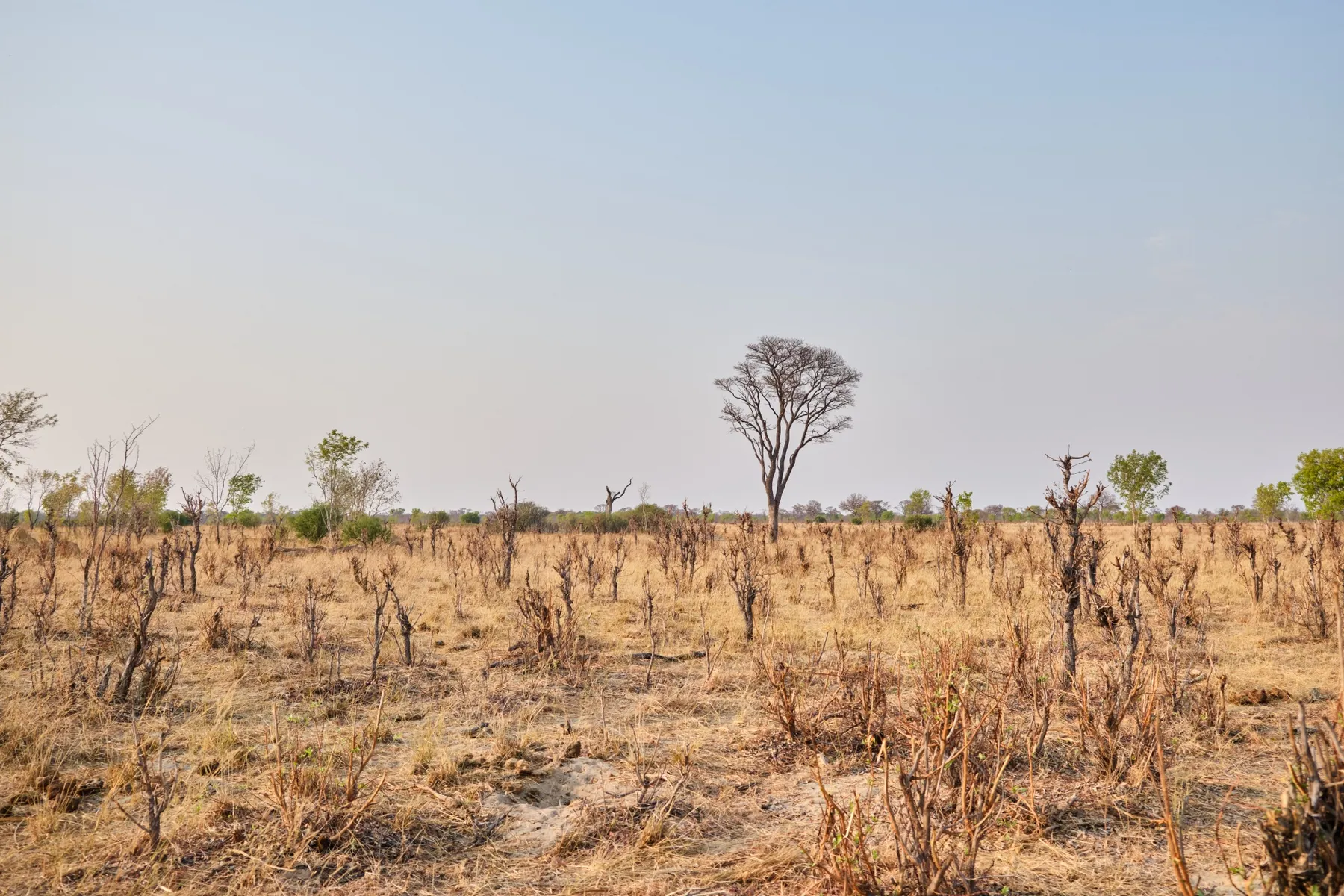
A particularly strong El Niño can disrupt normal temperature and rainfall patterns, increasing the likelihood of severe drought in some regions, heavy rainfall and flooding in others, and higher temperatures across large parts of the world.
Saulo urged governments and humanitarian organisations to use forecasts and early-warning systems to prepare communities and reduce exposure to extreme weather.
UN Identifies Critical Window for Early Intervention
Fletcher said the next two weeks represented “the critical window to act”, emphasising the importance of delivering supplies and assistance before weather-related disruptions deepen.
Somalia, Ethiopia and Kenya need supplies ahead of expected heavy rains, while southern African countries require seeds and livestock support. Central America needs livelihood assistance, and countries across Asia and the Pacific must prepare for droughts, floods and cyclones.
Fletcher said he had released $50 million to support 11 countries on the frontline, including Chad, El Salvador, Ethiopia, Somalia and South Sudan.
The funding is intended to help affected countries prepare for the anticipated impacts, although the broader UN appeal reflects concerns that existing humanitarian resources will be insufficient to meet needs on this scale.
“It will create economic shocks for the global economy and drive further conflict, displacement, migration,” Fletcher said.
He also warned that the international humanitarian system could not manage the threat alone, calling for governments and financial institutions to accelerate funding for preparedness and resilience.
Climate Risks Compound Existing Economic Pressures
El Niño is a recurring climate pattern characterised by warmer-than-normal sea surface temperatures in the central and eastern equatorial Pacific Ocean. It alters atmospheric circulation, affecting winds, pressure systems and rainfall patterns across multiple continents.
The phenomenon typically occurs every two to seven years and lasts around nine to twelve months. A particularly strong event is associated with sea surface temperatures more than 2°C above normal in the central Pacific.
“The current event could be unprecedented in strength, literally off the monitoring charts that we have used for the past four decades,” Saulo said.
She warned that extreme weather events were already occurring and could become more widespread as the phenomenon intensifies.
“We are already witnessing extreme weather events and expect this to multiply and cascade as El Niño intensifies,” the WMO chief told a press conference in Geneva alongside Fletcher.
The humanitarian consequences are likely to be compounded by existing vulnerabilities, including conflict, displacement, high fuel and fertiliser prices, food inflation and reductions in international assistance. Communities with inadequate access to water, sanitation and healthcare face additional risks as heat and other climate hazards intensify.
For African economies, the combination of extreme temperatures, disrupted rainfall and pressure on agricultural production could threaten livelihoods and food supplies while increasing demands on public finances and humanitarian organisations.
The UN agencies’ warning places greater emphasis on anticipatory action, including early deployment of supplies, support for agricultural livelihoods, improved early-warning systems and timely financing.
The effectiveness of these measures will depend on whether resources reach exposed communities before extreme weather compounds existing crises. With the anticipated peak approaching, the agencies are urging governments and international financial institutions to act before the humanitarian and economic consequences escalate.