
CAIRO, Aug 31 – Egypt has approved a $1.2 million grant from the European Investment Bank to support improvements at three wastewater treatment facilities in Alexandria and Damietta, as the government moves to strengthen water management and environmental infrastructure.
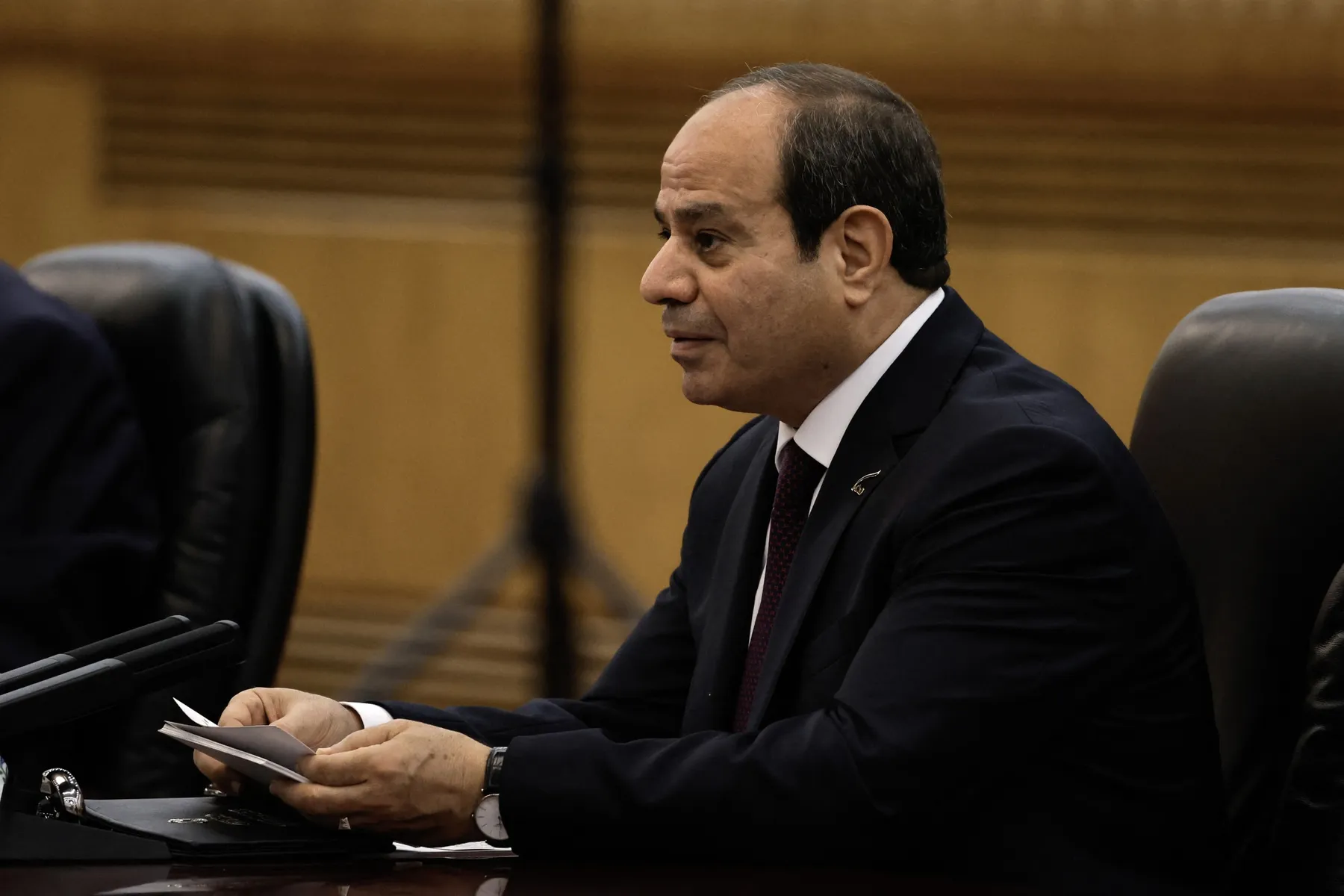
According to a Presidential Decree No. 199 of 2026, issued by President Abdel Fattah El-Sisi, was published in Egypt’s Official Gazette, formally approving the grant agreement. The House of Representatives approved the agreement on June 23, followed by presidential ratification on June 29, after which the agreement will take effect.
The grant will finance consultancy services and technical assessments for the Hanoville wastewater treatment facility in Alexandria and the Zarqa and Kafr El-Batikh plants in Damietta. The work is intended to determine the condition and performance of existing treatment systems and identify the investments required to improve their capacity and efficiency.
The planned assessments will examine the introduction of advanced treatment technologies, including tertiary treatment, which provides an additional stage of purification beyond conventional wastewater treatment. The objective is to improve the quality of treated water while strengthening the overall performance of the facilities.
The studies will also assess opportunities to reuse treated wastewater and convert treatment by-products, including sludge and biogas, into energy. Such measures could help reduce waste while supporting Egypt’s broader efforts to develop resource-efficient and lower-carbon infrastructure.
The project has a particular environmental significance for Alexandria and Damietta, both of which are located along Egypt’s Mediterranean coast. Improvements in wastewater treatment could help reduce pollution risks affecting coastal ecosystems while strengthening water-resource management and protecting public health.
Technical assessments will also consider the future requirements of the treatment plants and associated sewer networks through 2050. The work is expected to include economic, environmental and social feasibility assessments, alongside plans for phased investments to support future expansion and modernisation.
For Egypt, the initiative comes as pressure on water resources increases and authorities seek to improve the efficiency of existing infrastructure. Expanding wastewater treatment capacity and increasing the reuse of treated water can help reduce demand for freshwater resources while supporting urban development.
The grant therefore provides the technical foundation for potentially larger infrastructure investments in the targeted governorates. The subsequent investment plans will determine the scale and timing of future upgrades to the three facilities.
