
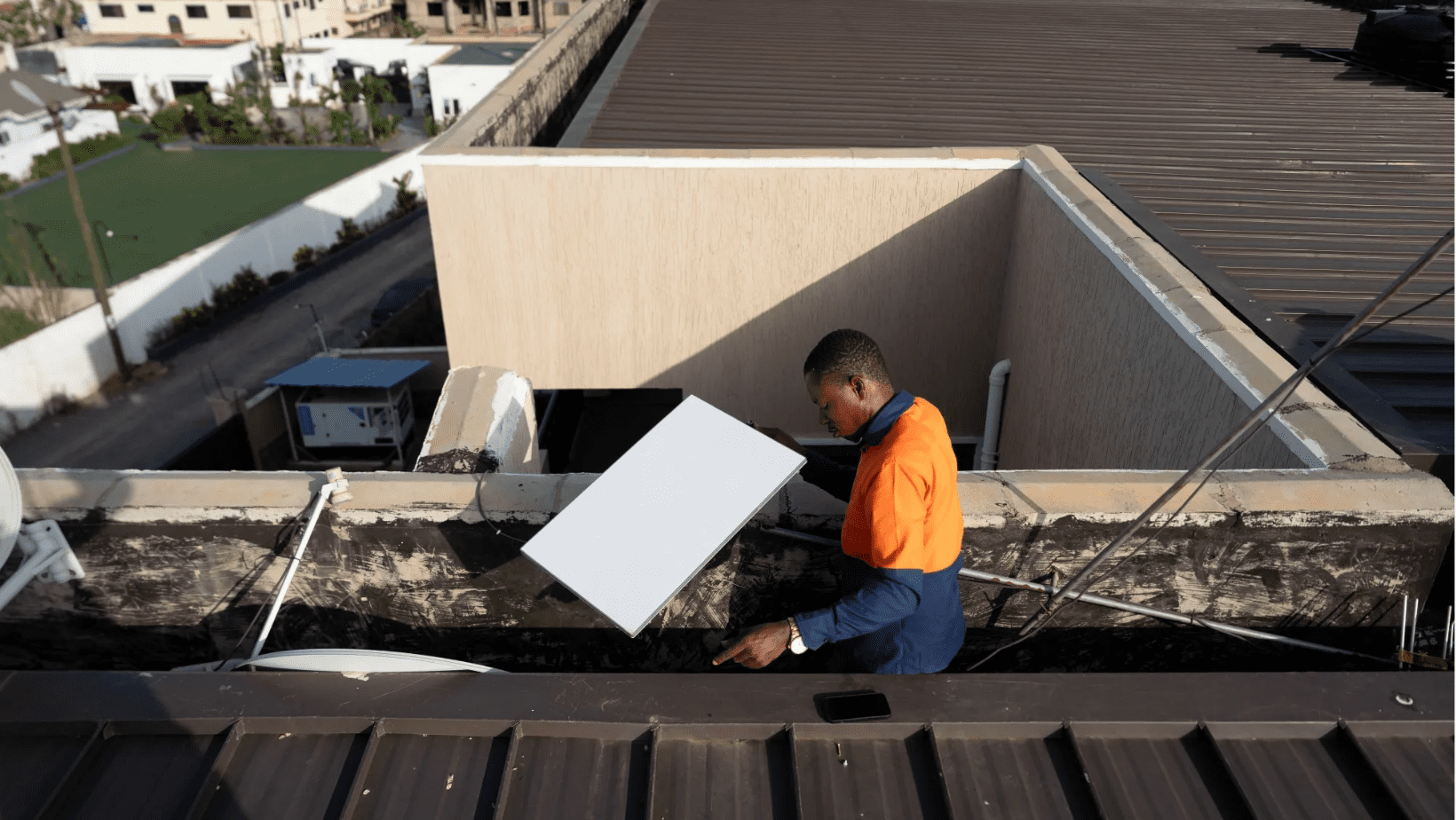
NAIROBI, May 27 – African governments and telecom operators risk losing billions in revenue, jobs and network investment as satellite internet providers expand across the continent under lighter regulatory rules, according to a report by the Africa CEO Forum and Askya Investment Partners.
The report said offshore low-earth orbit satellite operators, including Starlink, are increasingly attracting high-paying customers in African markets without facing the same taxes, licence fees and infrastructure obligations required of local telecom companies.
The warning comes as Starlink, owned by Elon Musk, continues its rapid expansion across Africa after securing approval in at least 25 countries.
Researchers behind the report said the telecom sector currently supports about 8 million formal jobs across the continent, contributes more than $30 billion in taxes each year and is expected to invest around $77 billion in network infrastructure between 2024 and 2030.
According to the report, Starlink had about 66,000 users in Nigeria and more than 67,000 in Zimbabwe by the fourth quarter of 2025, making Zimbabwe its fastest-growing African market.
The report also pointed to major differences in licensing costs. In Senegal, telecom operators reportedly paid more than $50 million for 5G licences, while Starlink secured a licence for about $150,000.
Industry executives interviewed for the report warned that local telecom companies could slow down investments in rural coverage and network expansion as competition increases and profit margins tighten.
Companies such as MTN, Airtel Africa and Vodacom continue to pay large spectrum and operating licence fees across several African markets. MTN alone paid $273.6 million for its 5G licence in Nigeria.
The report said African governments may also face growing revenue losses as subscription payments increasingly flow to offshore satellite operators with limited local tax contributions or reinvestment.
