
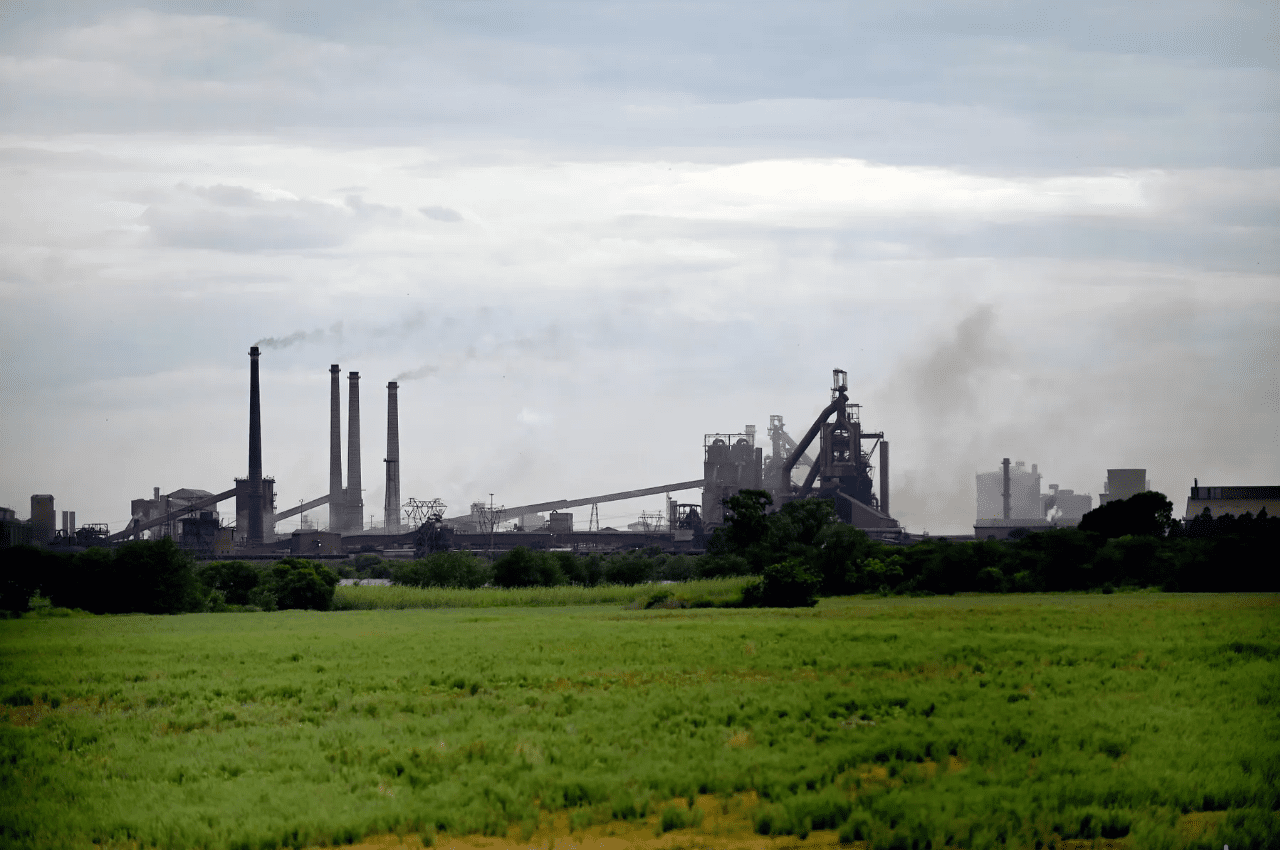
JOHANNESBERG, April 20 – South Africa’s steel industry is facing renewed pressure as output remains well below historical levels, with regulators calling for stronger domestic demand to support recovery.
The country’s annual steel production dropped to about 4.5 million tons last year, less than half of the 9.7 million tons recorded in 2006 with the decline reflecting a mix of structural challenges, including weaker local demand, rising electricity and logistics costs, and increased competition from cheaper imports, particularly from China.
According to the International Trade Administration Commission, efforts to revive the sector should focus on stimulating demand rather than tightening export restrictions.
The regulator said a more sustainable path lies in expanding infrastructure development, which would lift consumption of locally produced steel.
The debate comes amid tensions within the industry as ArcelorMittal South Africa Ltd., which operates the continent’s largest steel plant south of Johannesburg, has raised concerns over competition from smaller producers that rely on scrap metal.
The company has pushed for the removal of a 20% export tax on scrap, arguing that it gives electric arc furnace operators access to cheaper input materials.
Scrap-based producers, including Scaw Metals Group and Cape Gate Holdings Ltd., benefit not only from the export tax but also from pricing controls that keep scrap costs below international levels. These measures were introduced in 2013, with the export levy added in 2020.
Regulators, however, maintain that scrap remains a strategic resource due to its environmental advantages and role in recycling. Before export controls were introduced, South Africa shipped more than one million tons of scrap annually to markets such as India.
Authorities say balancing the needs of different producers while boosting demand will be critical to stabilising the sector.
