
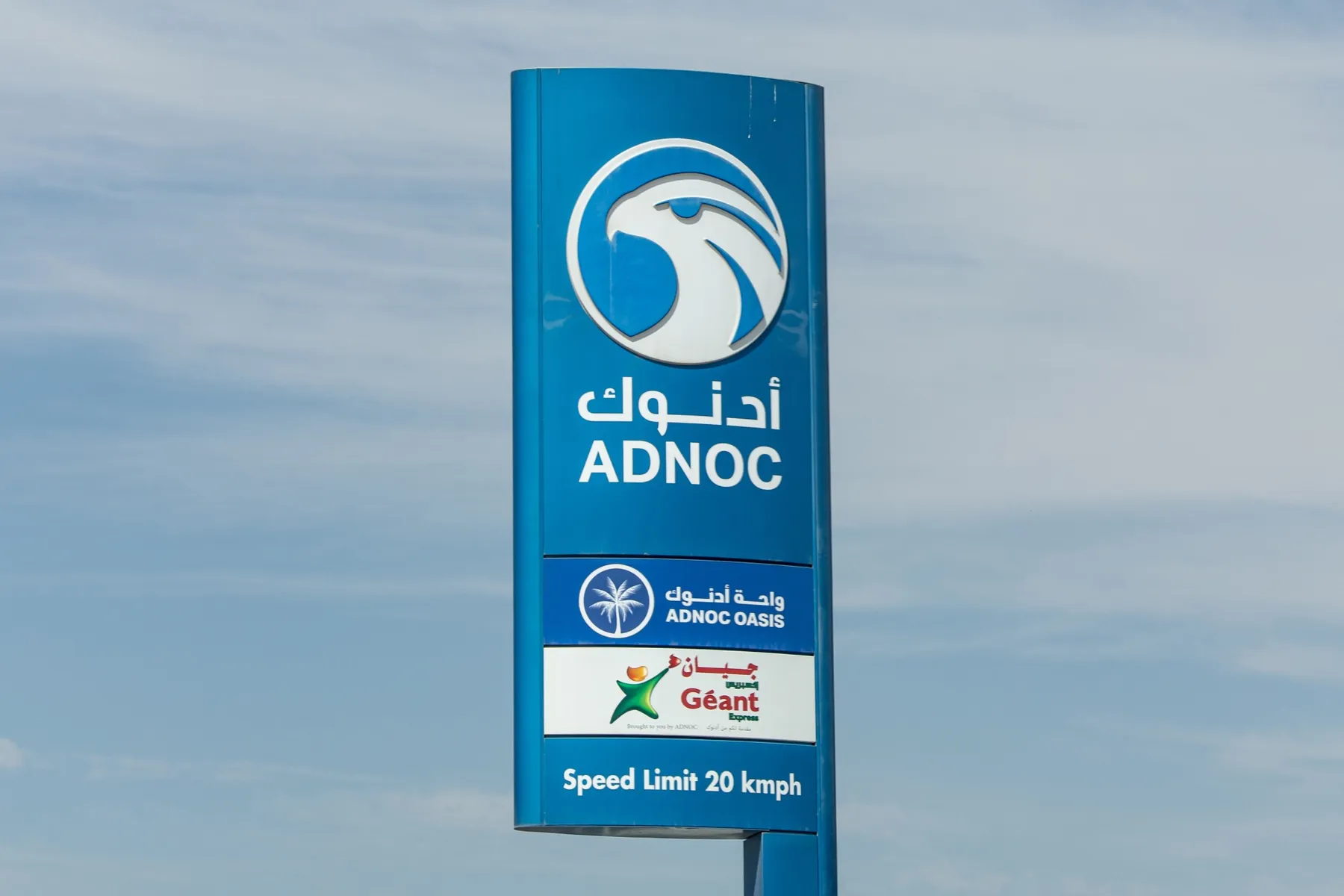
JOHANNESBURG, July 7 – ADNOC Distribution, the retail arm of Abu Dhabi National Oil Company (ADNOC), has agreed to acquire Shell Plc’s fuel retail business in South Africa in a transaction valued at approximately $1 billion, marking the company’s entry into Africa’s largest economy.
According to Bloomberg, the acquisition will give ADNOC Distribution control of around 580 fuel service stations, alongside Shell’s wholesale fuel, aviation fuel and lubricants operations in South Africa. The transaction is expected to close in 2027, subject to regulatory approvals and customary closing conditions.
Following completion of the acquisition, ADNOC Distribution said it intends to sell a 28% stake in the business to a local empowerment partner, while also implementing an employee share ownership programme.
“South Africa’s investments in critical transport infrastructure, alongside a growing driving-age population, reinforce the growth potential of fuel consumption,” Adnoc Distribution said.
Adnoc Distribution’s chief executive, Bader Saeed Al Lamki, said the deal reflected the group’s confidence in South Africa’s “high-potential, well-regulated” fuel retail market.
African Economy Inc. had earlier reported that ADNOC had emerged as the preferred buyer after advanced negotiations with Shell.
The acquisition will provide ADNOC Distribution with a presence representing roughly 10% of South Africa’s fuel retail market, further advancing the company’s international expansion strategy as it continues investing in energy assets across multiple regions.
ADNOC Distribution became the preferred bidder for the portfolio earlier this year after negotiations between Shell and commodity trader Gunvor Group failed to produce an agreement.
For Shell, the sale forms part of its broader strategy to streamline its downstream operations and concentrate investment on assets capable of delivering stronger long-term returns, including major upstream oil and gas developments.
The South African divestment process began in 2024 and continued despite geopolitical tensions in the Middle East that affected regional energy markets.
The acquisition also follows a series of international investments by ADNOC. Earlier this week, the company’s investment platform, XRG, announced the acquisition of a stake in a natural gas project in Argentina, expanding its growing portfolio across North America, Europe, Africa and Latin America.
The transaction reflects a broader trend of Gulf energy companies increasing overseas investments through acquisitions spanning energy, infrastructure and industrial assets.
South Africa’s fuel retail sector has undergone significant consolidation in recent years. In 2018, Glencore acquired Chevron’s Caltex-branded retail network in the country, while Vitol-owned Vivo Energy later completed the acquisition of Engen, South Africa’s largest fuel station operator.
Shell has also steadily reduced its presence in South Africa over recent years. The company previously sold its stake in the country’s largest refinery to the Central Energy Fund after suspending operations at the Durban refinery in 2022 following operational challenges and flood damage.
Shell first entered the South African market in 1902, initially supplying oil for lighting and heating before expanding into one of the country’s largest fuel retailers.
Globally, the energy major operates approximately 40,000 service stations across 61 countries, with South Africa accounting for 591 retail outlets, making it one of Shell’s larger downstream markets.
Beyond South Africa, Shell has divested downstream assets in several African markets, including Botswana, Burkina Faso, Côte d’Ivoire, Guinea, Kenya and Namibia, while also reducing its retail footprint in countries such as Malaysia, Uruguay, Paraguay and Colombia.
Industry observers do not expect the transaction to cause significant disruption to South Africa’s fuel market.
According to Peter Morgan, Chief Executive Officer of the Liquid Fuels Wholesalers Association of South Africa, Shell’s exit is unlikely to materially affect the domestic fuel industry. He said he expected the company to retain a minority interest in the business while bringing in a strategic investor to assume majority ownership, potentially through the Vivo Energy platform.
The acquisition further strengthens ADNOC Distribution’s international growth ambitions while reshaping South Africa’s competitive fuel retail landscape as global energy companies continue to reposition their downstream portfolios.
