
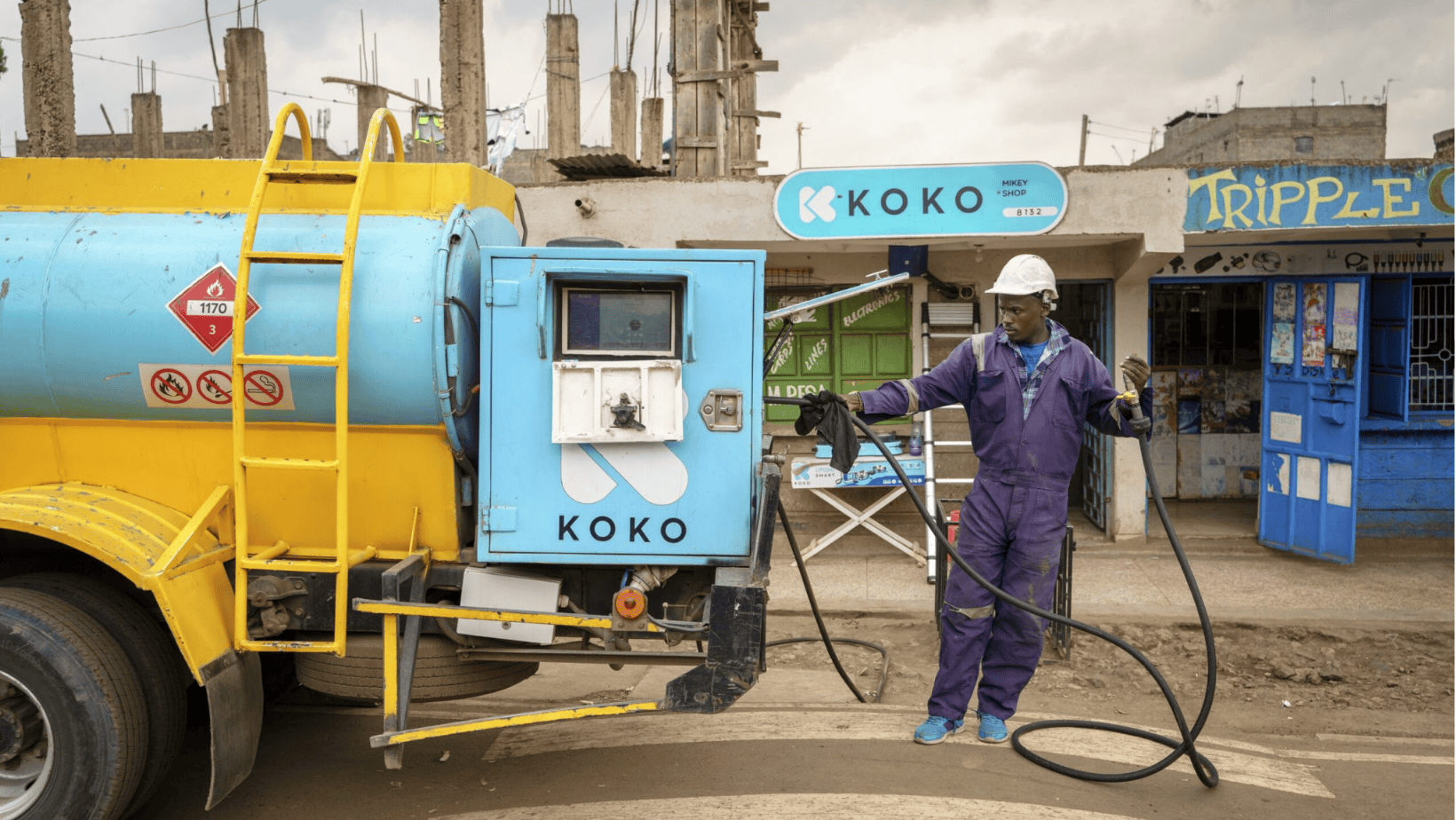
NAIROBI, July 9 – Administrators have started the sale process for the assets of Koko Networks, marking the next stage in winding down the Kenyan clean cooking startup after it shut down operations earlier this year.
The company, which served more than one million households across Kenya, ceased operations in January and laid off more than 700 employees after the Kenyan government declined to approve a Letter of Authorisation required to unlock carbon credit revenues.
According to an insolvency notice, PwC, which is overseeing the administration of Koko Networks Limited, is inviting expressions of interest from potential buyers by July 17. The administrators are seeking buyers with the financial capacity to complete transactions worth more than $15 million, signalling a preference for selling the business as a whole rather than breaking up its assets.
The sale includes Koko’s intellectual property portfolio, including patents, software technologies and hardware designs developed over more than a decade. Also on offer are the company’s stove and canister manufacturing plant in Sanand, India, as well as the fuel distribution and retail network that supported more than 3,000 automated fuel stations across Kenya.
While PwC is managing Koko Networks Limited, the company’s affiliated Indian businesses, Saarus Innovations Pvt Ltd and Koko Networks Pvt Ltd, are being wound up through voluntary liquidation.
Koko’s business relied on carbon credit revenue to help subsidise ethanol fuel prices for households using its smart cooking system. The company lost access to that funding after the government withheld the required authorisation for international carbon credit sales.
Founded in 2013 by Gregg Murray, Koko Networks was backed by investors including Microsoft’s Climate Innovation Fund, Mirova, Verod-Kepple and Rand Merchant Bank. The World Bank’s Multilateral Investment Guarantee Agency (MIGA) also supported the company with a $179.6 million guarantee.
