
RABAT, July 20 – Portugal and Morocco have agreed to jointly seek European Union support for a long planned electricity interconnector between the two countries, reviving a strategic infrastructure project aimed at improving energy security and strengthening power connectivity between Europe and North Africa.
According to Reuters, the two governments will ask the European Commission to consider the proposed interconnector as an Important Project of Common European Interest (IPCEI), making it eligible for European funding while simultaneously exploring private sector investment to support its development.
The renewed push follows the widespread power outage that affected Spain and Portugal in April 2025, exposing the Iberian Peninsula’s limited electricity links with the rest of Europe and renewing calls for greater cross border energy integration.
According to EU data, the Iberian Peninsula currently has only 3% of its electricity capacity interconnected with neighbouring European countries, significantly below the European Union’s 15% interconnection target by 2030.
A direct electricity connection with Morocco would provide Portugal with an additional source of power during supply disruptions, reducing its reliance on Spain, which is currently its only electricity interconnection partner.
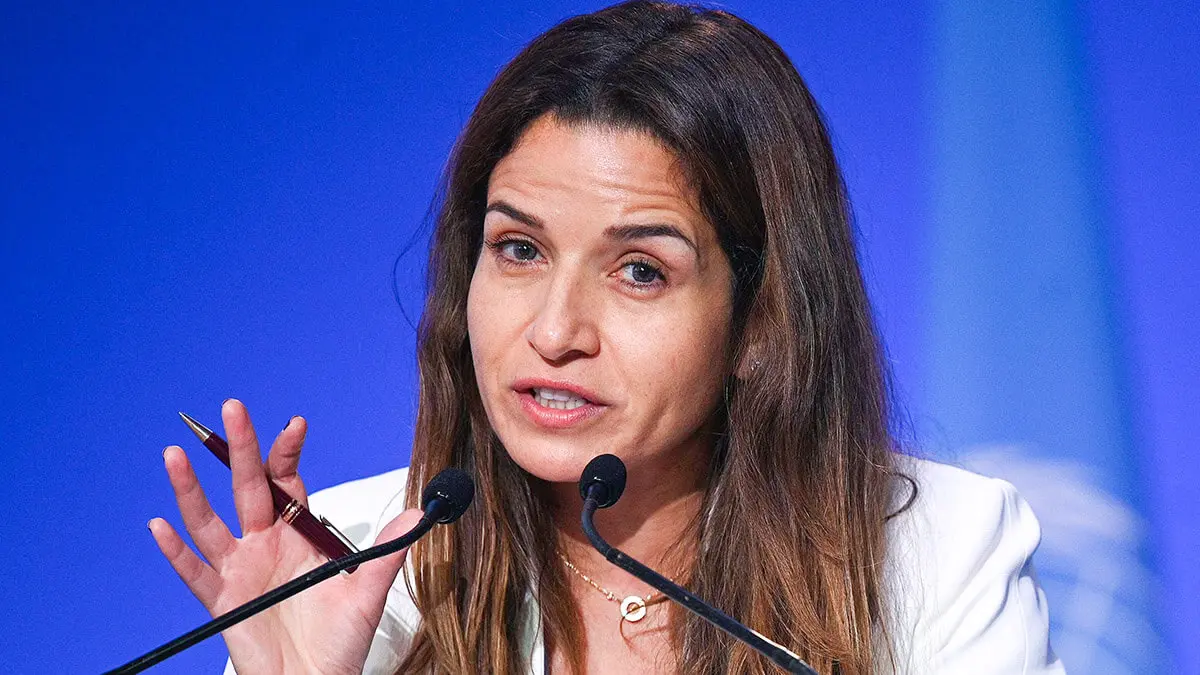
Following discussions with Morocco’s Minister of Energy Transition, Leila Benali, Portugal’s Energy Minister Maria da Graça Carvalho said both governments had agreed to present the proposal to European Commission Executive Vice President Teresa Ribera.
According to Carvalho, “We have decided to first talk with the European Commission to see its interest in considering this as an important European project.”
She added that a new Europe-Africa electricity connection would strengthen energy security while deepening cooperation between both continents.
Portugal and Morocco also plan to pursue private financing alongside public support by seeking expressions of interest from electricity grid operators and utility companies.
Carvalho said the dual-track approach is intended to minimise the financial burden on taxpayers and consumers.
“We don’t want to overcharge our contributors or our consumers,” she said.
For her part, Benali said both countries were focused on ensuring that the project delivers affordable energy while supporting economic development.
According to Benali, “We want to ensure that we decrease costs, especially the affordability of energy access” for citizens and key economic sectors.
Officials said it remains too early to determine whether the project will involve a direct subsea electricity cable between Portugal and Morocco or make use of existing infrastructure through Spain, which already operates an electricity interconnection with Morocco.
If implemented, the project would mark a significant expansion of Europe-Africa energy integration, enhancing electricity security, supporting renewable energy integration and strengthening cross border power markets across both regions.
