
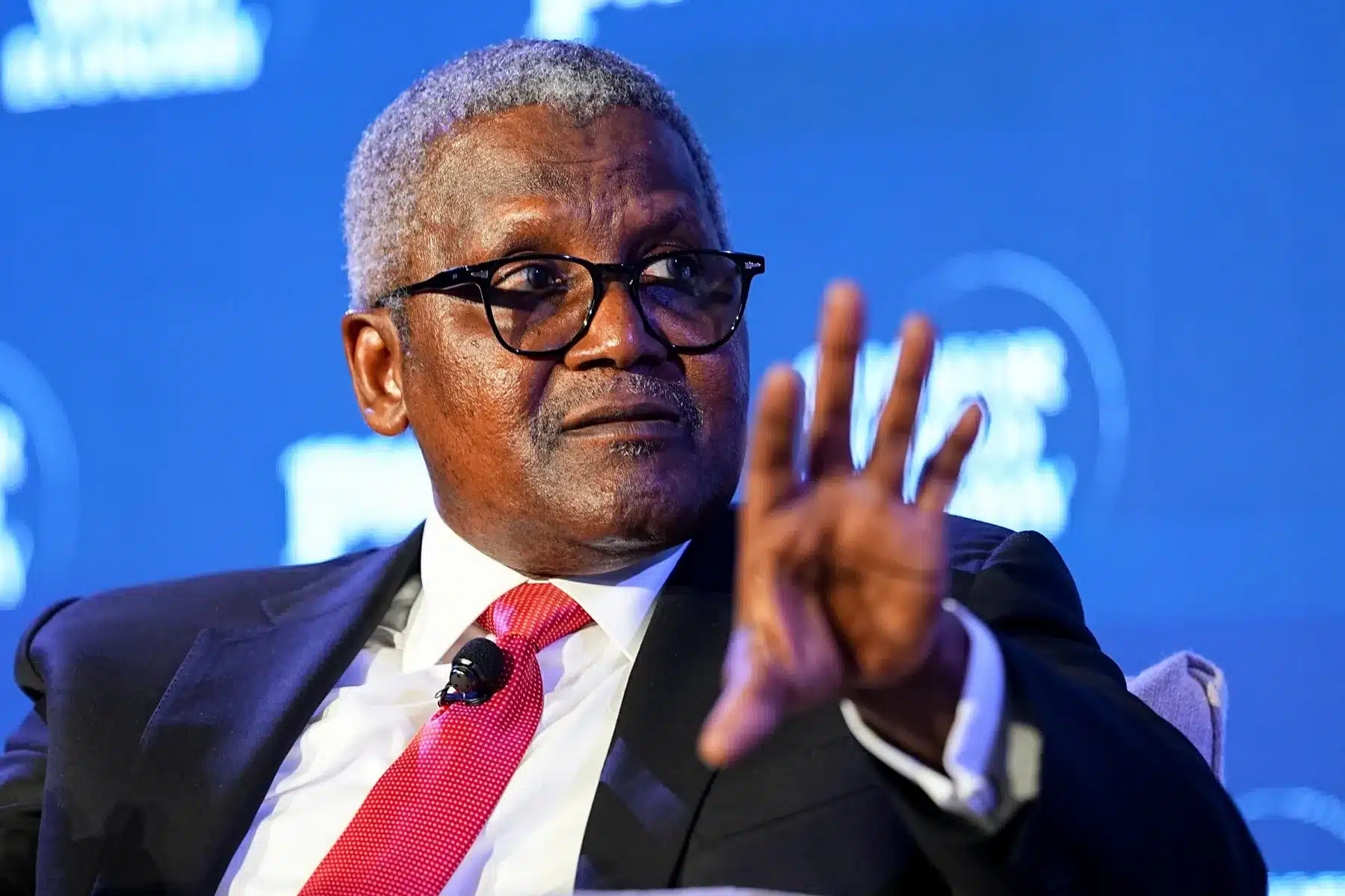
NAIROBI, Aug 21 – Dangote Group has offered East African countries a combined 30% equity stake in a proposed oil refinery in Kenya, potentially opening the project to about $1.5 billion in regional investment as the Nigerian industrialist expands his refining ambitions beyond Nigeria.
David Ndii, economic adviser to Kenyan President William Ruto, disclosed the proposal on Thursday at a capital markets forum in Nairobi. Kenya is considering a 10% stake valued at about $500 million, while Ethiopia and Rwanda have also indicated interest in participating, he said.
“The total for the region is about $1.5 billion,” Ndii said. “I don’t actually see a challenge in doing that, and if some of them are not off-taking we will backstop.”
The proposed refinery is expected to be developed in Lamu, on Kenya’s southeastern coast, after Dangote shifted the project from an earlier proposal for Tanga in Tanzania. The billionaire has attributed the relocation to commercial and technical considerations.
The planned regional ownership structure would give participating East African governments or investors a direct equity position in a major energy project while potentially strengthening access to locally refined petroleum products. For Kenya, Ethiopia and Rwanda, participation could also provide a closer link to refining capacity at a time when East African economies remain heavily dependent on imported petroleum products.
The project was initially conceived for Tanzania, where Dangote had proposed developing a refinery in Tanga modelled in part on his 700,000-barrel-per-day refinery in Lagos, Nigeria. The plan was later moved to Lamu, with the Kenyan coastal location emerging as the preferred site.
Dangote announced the Tanzania proposal during a panel at an Africa Finance Corporation summit in Nairobi alongside Kenyan President William Ruto and Ugandan President Yoweri Museveni. The subsequent shift to Kenya represents a significant change in the project’s geographic strategy and places the planned facility closer to Kenya’s established port and logistics infrastructure.
In early July, a spokesperson for Dangote Industries Limited estimated that the proposed refinery and related infrastructure on Kenya’s coast could require about $17 billion in investment and take roughly five years to complete.
The scale of the proposed development would make it one of the most significant private-sector energy infrastructure projects in East Africa. Regional participation could also help broaden the project’s investor base and create stronger commercial links between the refinery and neighbouring fuel markets.
Dangote has indicated that participating countries could potentially contribute through equity or crude offtake arrangements. According to Ndii, the Nigerian businessman is prepared to support the project if some countries interested in participating are unable to commit as crude offtakers.
For East Africa, the proposed investment structure reflects a broader effort to deepen regional participation in energy infrastructure and reduce reliance on imported refined petroleum products. For Dangote, the project would mark a further expansion of his industrial footprint across Africa following the development of his large-scale refinery in Nigeria.
If implemented, the Lamu refinery would extend Dangote’s refining strategy into a second major African market and potentially create a new regional hub for petroleum supply across East Africa.
