
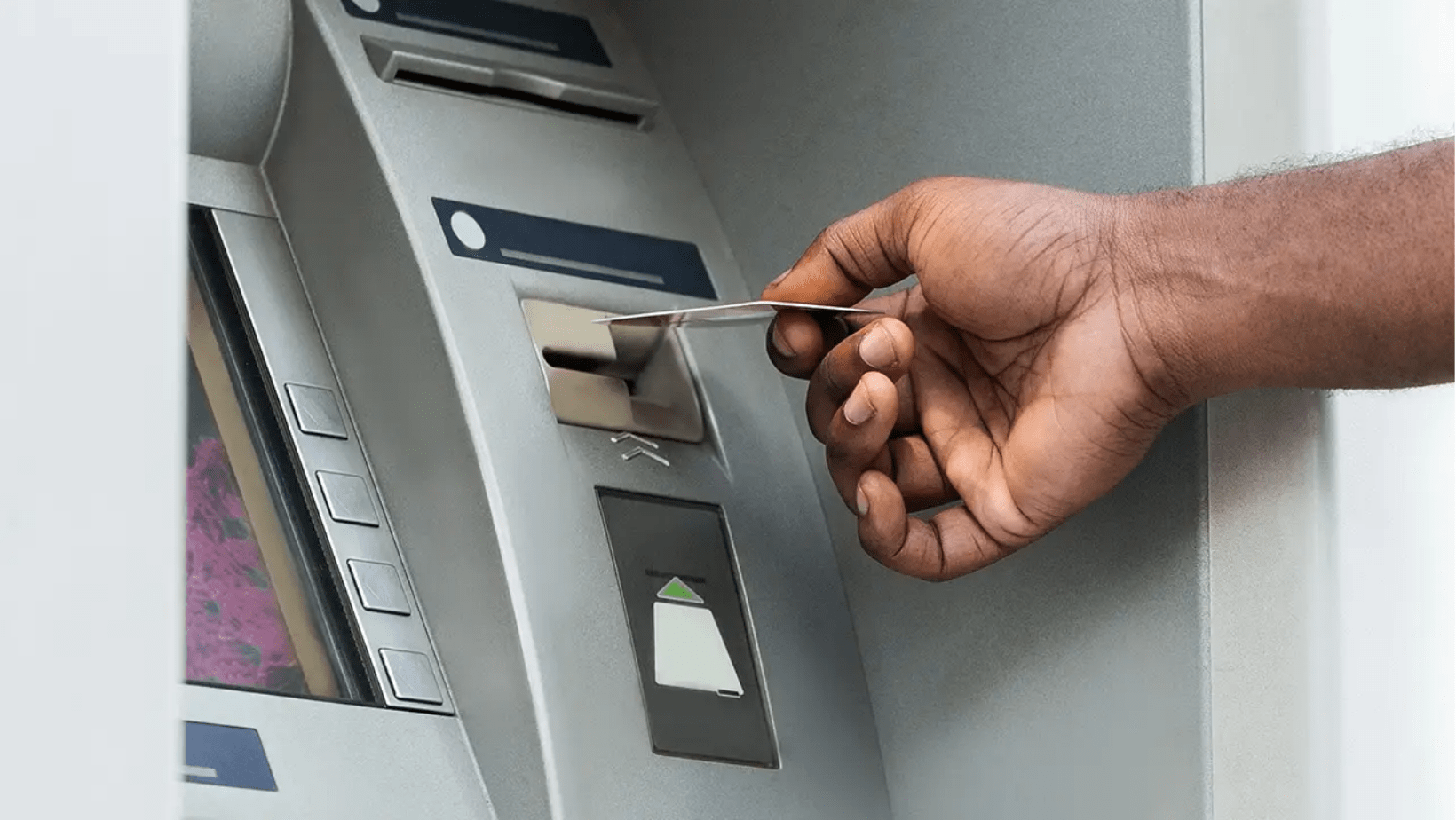
ABUJA, Aug 18- Nigeria’s ATM transactions rose by 6.6% year-on-year to 438.6 million in the first quarter of 2026, while Point-of-Sale (PoS) transaction volumes fell by almost 20%, according to data from the Central Bank of Nigeria (CBN).
The value of ATM transactions also increased sharply, rising 64.6% from a year earlier to ₦26.3 trillion ($19.4 billion). PoS transactions moved in the opposite direction. Volumes fell 19.9% to 2.92 billion transactions, while their total value dropped 16.4% to ₦59.3 trillion ($43.7 billion).
Nigeria’s first ATM was installed in 1989 by Société Générale Bank. The number of machines grew over the years, reaching about 22,600 by 2021. However, underinvestment, network problems, machines being out of service and cash shortages later reduced the number of active ATMs to 16,714 by mid-2024.
PoS terminals, particularly those operated through fintech companies such as Moniepoint and OPay, expanded to fill the gap. By March 2025, Nigeria had 8.36 million registered PoS terminals, of which 5.90 million were active or deployed.
The cash shortage caused by the CBN’s currency redesign and withdrawal limits in 2023 further increased the importance of PoS agents, as many Nigerians turned to them when they could not easily get cash from banks or ATMs.
However, new CBN rules are changing how the two channels operate.
In October 2025, the regulator introduced new agent-banking rules that require agents to use only one PoS terminal provider. It also limited terminals to a 70-metre operating radius and set a daily cumulative transaction limit of ₦1.2 million ($883.9) for PoS agents.
The CBN has also taken steps to improve ATM availability. In March, it directed card issuers to deploy at least one ATM for every 7,500 payment cards issued over the next three years.
The regulator also revised ATM withdrawal fees in February 2025, setting a maximum fee of ₦500 and introducing requirements for cash availability and the resolution of failed transactions within 24 to 48 hours.
The rise in ATM transactions does not mean Nigerians are abandoning PoS agents, which still offer cash withdrawals, transfers and other services close to where people live and work.
However, these new figures suggest that as banks improve ATM availability, PoS agents may be losing some of the advantage they gained during Nigeria’s 2023 cash crisis.