
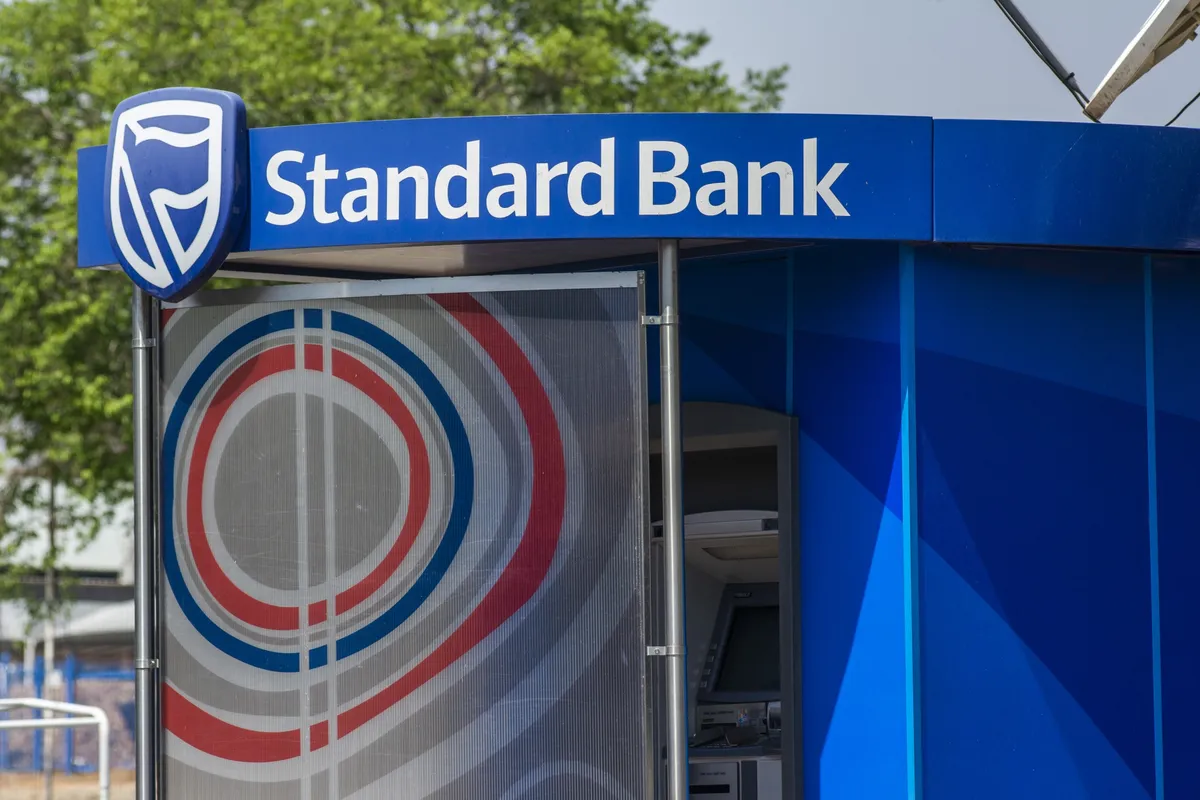
PRETORIA, July 28 – Standard Bank, Africa’s largest lender by assets, processed more than 8 billion yuan (approximately $1.2 billion) in cross-border transactions through China’s Cross-Border Interbank Payment System (CIPS) during its first year of direct access to the network, highlighting the growing role of the Chinese currency in Africa-China trade.
The bank became the first African financial institution authorised to participate directly in CIPS in November 2025, allowing clients to settle transactions with Chinese counterparties in renminbi (yuan) without first converting funds into an intermediary currency such as the US dollar.
The service is currently available in South Africa, Angola, Ghana, Kenya, Lesotho and Tanzania, providing businesses in those markets with more direct access to China’s payment infrastructure.
Standard Bank said its research shows that companies across 10 African markets are increasingly turning to Asia for trade, with 67% of surveyed businesses identifying China as their leading source of imports, citing competitive pricing, broader product selection and reliable supply chains.
Commenting on the expansion, Ontiretse Modise, Head of Payments for Corporate and Investment Banking at Standard Bank, said: “Standard Bank is focused on expanding CIPS access across Africa, unlocking more efficient cross-border transactions and deepening trade corridors for our clients. As part of this commitment, we plan to extend CIPS access to more African countries by the end of 2026, further strengthening Africa-China trade connectivity.”
The growing adoption of yuan settlement comes as trade between Africa and China continues to expand rapidly. According to China’s General Administration of Customs, bilateral trade reached approximately $158.3 billion during the first half of 2026, representing a 19.6% increase from the same period a year earlier.
African exports to China increased 22.1%, while Chinese exports to Africa rose 17.3%, reflecting stronger commercial ties between the two regions.
Part of that growth follows Beijing’s decision to extend zero-tariff treatment from May 2026 to imports from all African countries except Eswatini, which maintains diplomatic relations with Taiwan.
Chinese customs authorities have also introduced faster clearance procedures for African agricultural exports and expanded mutual recognition of sanitary certifications to facilitate trade in perishable products.
Kenya’s latest trade data point to a similar trend. According to the Kenya National Bureau of Statistics (KNBS), imports from China recorded the largest increase among the country’s trading partners, rising 29.2% and adding approximately KSh43.4 billion in import value.
Standard Bank further strengthened its position in Africa-China financial connectivity in June 2026, when the People’s Bank of China and the Industrial and Commercial Bank of China (ICBC) jointly designated it as the Renminbi Clearing Bank of Africa.
The appointment makes Standard Bank the first Africa-based lender to hold renminbi clearing bank status. Working alongside ICBC, the arrangement will enable the bank to clear renminbi transactions across 19 African countries, providing participating financial institutions with direct access to China’s domestic payment infrastructure, liquidity facilities and capital markets.
Despite the milestone, the renminbi remains considerably smaller than the US dollar in global payments. According to the Official Monetary and Financial Institutions Forum (OMFIF) Global Public Investor 2026 survey, CIPS processed approximately $26 trillion in transactions during 2025, compared with around $526 trillion processed by the US-based Clearing House Interbank Payments System (CHIPS) over the same period.
Unlike the freely traded US dollar, the renminbi operates within a managed exchange rate band set by the People’s Bank of China, with capital flows remaining subject to regulatory controls designed to maintain financial stability.
For many African economies, however, expanding access to yuan settlement offers a practical alternative amid persistent shortages of US dollars. Direct settlement in renminbi allows businesses to pay Chinese suppliers and receive payments from Chinese buyers without relying on scarce foreign exchange reserves, potentially reducing transaction costs and improving trade efficiency.
