
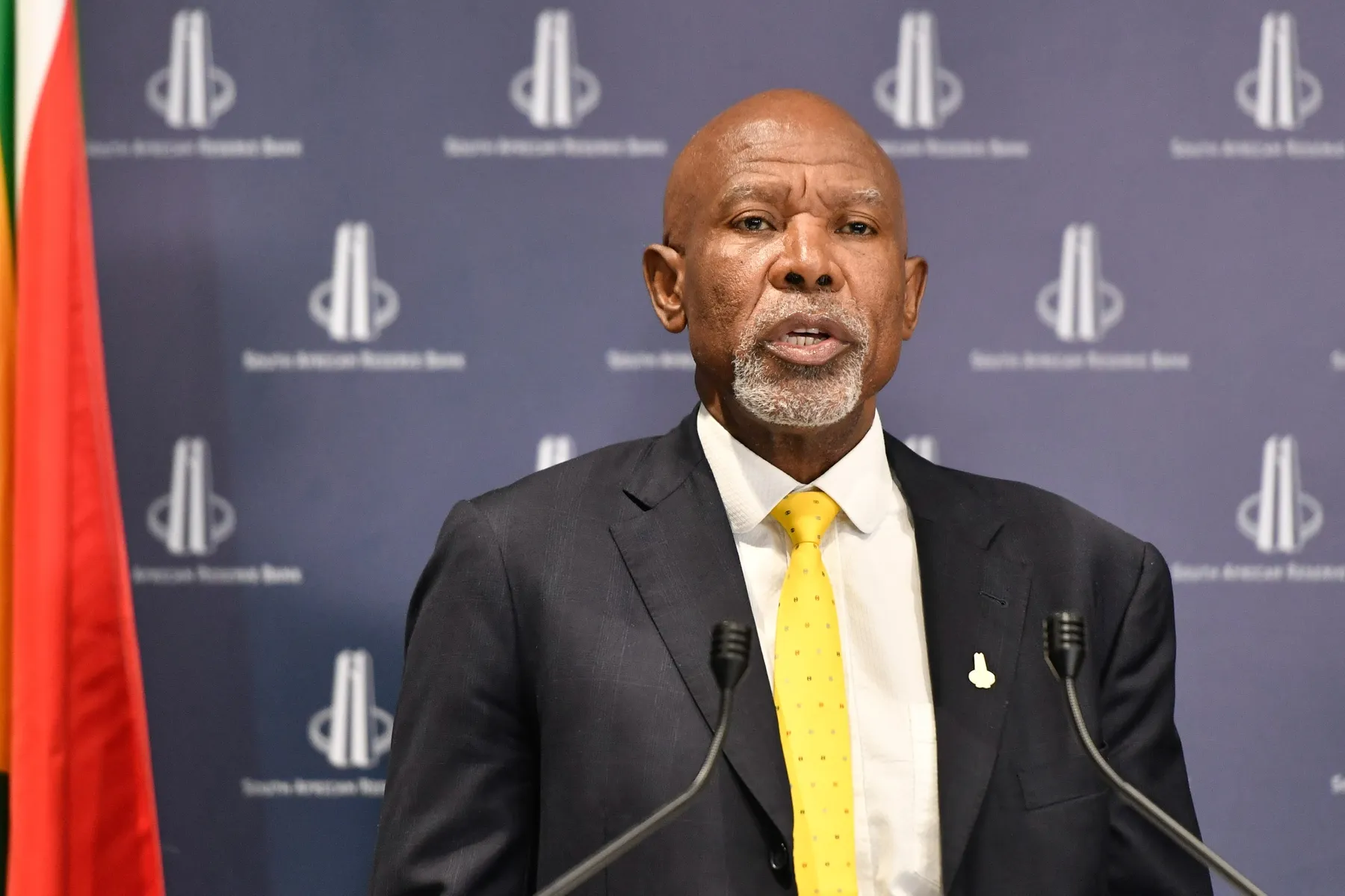
JOHANNESBURG, June 2 – South African Reserve Bank Governor Lesetja Kganyago has reaffirmed the central bank’s commitment to restoring inflation to its 3% target, arguing that last week’s interest rate increase was necessary to prevent rising energy costs from triggering broader and more persistent price pressures.
Speaking in Johannesburg on Tuesday, Kganyago defended the decision to raise the benchmark repo rate by 25 basis points to 7%, marking the first tightening cycle by the central bank in three years.
The decision was supported by four of the six members of the Monetary Policy Committee, reflecting growing concerns about inflation risks linked to developments in global energy markets.
South Africa’s annual inflation rate accelerated to 4% in April from 3.1% in March, moving closer to the upper end of the central bank’s preferred target range.
The Reserve Bank aims to anchor inflation around 3%, with a tolerance band extending one percentage point above and below that level.
Policymakers have also revised their inflation outlook higher, forecasting average inflation of 4.4% in 2026 and 3.7% in 2027 as external cost pressures continue to build.
As a net importer of oil, South Africa has been particularly exposed to rising global energy prices following geopolitical tensions in the Middle East.
Although government measures have provided limited relief through fuel levy adjustments, higher fuel costs continue to filter through the broader economy.
Kganyago warned that so-called second-round inflation effects are becoming increasingly visible, with higher transport, diesel and fertilizer costs beginning to influence food prices and other consumer goods.
The central bank expects core inflation, which excludes volatile items such as food and energy, to remain close to 4% during the first half of next year.
According to the governor, one of the key risks facing policymakers is that businesses and consumers may begin adjusting prices and wage demands in anticipation of sustained inflation, creating a cycle that becomes increasingly difficult to reverse.
He stressed that the rate increase was intended to reinforce the central bank’s credibility and send a clear signal that inflation would remain under control.
Kganyago also dismissed suggestions that the Reserve Bank could return to its previous 3% to 6% inflation target framework, emphasizing that policymakers remain firmly committed to the current inflation objective.
The next survey measuring inflation expectations among businesses, labor unions and financial analysts is scheduled for release at the end of June and will be closely monitored by investors for signs of changing price expectations.
The latest comments underscore the growing challenge facing central banks globally as rising energy costs, geopolitical uncertainty and slowing economic growth create increasingly complex policy trade-offs.
