
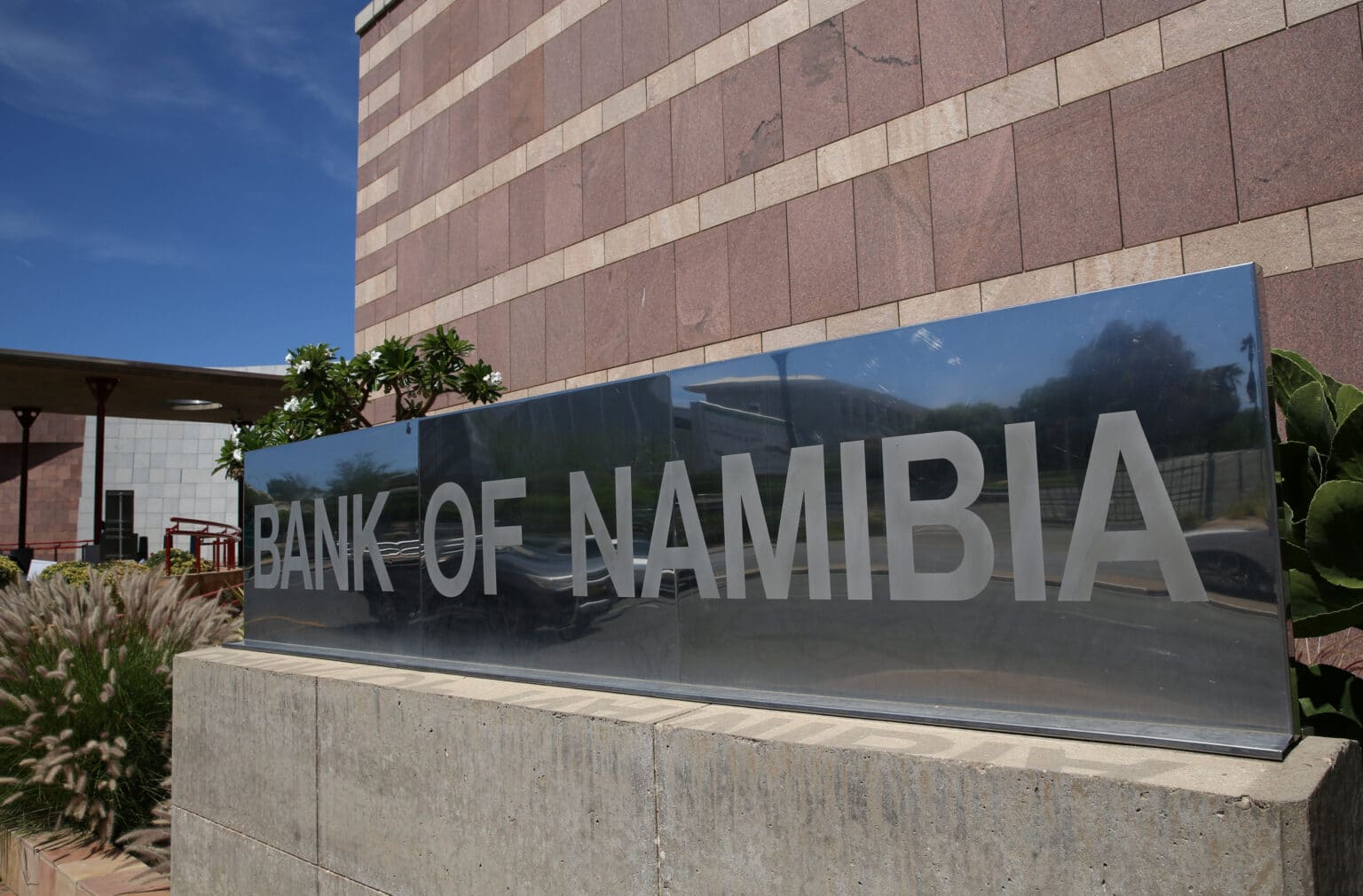
WINDHOEK, June 17 – The Bank of Namibia has raised its benchmark interest rate for the first time in three years, citing mounting inflationary pressures linked to higher global energy prices and broader economic risks.
The central bank increased its repo rate by 25 basis points to 6.75% following its latest Monetary Policy Committee meeting.
According to the bank, the decision reflects concerns over rising global and domestic inflation despite recent diplomatic efforts that have eased tensions between the United States and Iran.
“The Monetary Policy Committee noted rising global and domestic inflationary pressures over the near term, despite the ensuing peace agreement between the United States and Iran,” the central bank said.
The rate increase comes as inflation accelerated sharply in May.
Consumer prices rose 4.1% year-on-year during the month, up from 3.1% in April, highlighting the growing impact of energy-related costs on the Namibian economy.
The increase occurred despite government measures to cushion consumers from rising fuel costs, including reductions in fuel levies introduced to offset the effects of the global energy price shock triggered by the Middle East conflict.
The Bank of Namibia also revised its inflation outlook higher, forecasting average inflation of 4.0% in 2026, compared with its previous projection of 3.7% issued in April.
While domestic economic activity and private-sector credit growth remain relatively subdued, policymakers concluded that a moderate tightening of monetary policy was necessary to contain inflation risks and maintain price stability.
Namibia’s monetary policy is closely linked to developments in neighboring South Africa due to the one-to-one peg between the Namibian dollar and the South African rand.
As a result, policy decisions by the South African Reserve Bank often influence Namibia’s interest rate trajectory.
Last month, South Africa’s central bank also raised its benchmark interest rate by 25 basis points as policymakers sought to address inflationary pressures stemming from higher fuel and energy prices.
The latest move by Namibia signals growing concern among African central banks about the potential for energy-driven inflation to become entrenched, even as global oil prices have begun to moderate following recent geopolitical developments.
Analysts expect policymakers to continue monitoring inflation trends, fuel costs and exchange-rate developments closely in the coming months as they balance price stability objectives against the need to support economic growth.
