
African Economy Inc.
  • Home
  • Economy
  • Business
  • Markets
  • Finance
  • Credit Ratings
  • Policy
  • Tech
African Economy Inc.
  • Home
  • Economy
  • Business
  • Markets
  • Finance
  • Credit Ratings
  • Policy
  • Tech
Tuesday, August 18, 2026
Top News
Ninety One Closes $404 Million Africa Credit Fund as Private Debt Demand Grows
South Africa Business Confidence Rises to 125.4 in July Amid Inflation Pressures
IMF to Resume Senegal Talks as Country Moves Toward New Lending Programme
ExxonMobil Awards $1.1 Billion in Contracts for Mozambique’s Rovuma LNG Project
Nigeria’s ATM Transactions Rises as PoS Volumes Fall by 20%
Nigeria Unveils National Digital Cloud Policy, Targets $750 Million Investment
Zambia’s Hichilema Wins Second Term as Opposition Gains Ground Amid Economic Strains
IMF Raises Egypt Growth Outlook to 4.6% on Stronger Investment, Tourism and Exports
Nigeria Headline Inflation Falls to 15.43% in July, Statistics Office Says
Nigerian Defence-Tech Startup Terra Industries Closes $52 Million Seed Round
Steadright Secures Mining Licence for TitanBeach Titanium Project in Morocco
Nigeria Central Bank Relaxes Rule, Open OMO Market to More Investors
Thungela Resources Profit More Than Doubles on Increase in Coal Prices
South Africa Renewable Energy Plans Face Grid Capacity Problems
DR Congo Ebola Outbreak Becomes Deadliest in the Country’s History
SUBSCRIBE
African Economy Inc.
Subscribe
African Economy Inc.
  • Home
  • Economy
  • Business
  • Markets
  • Finance
  • Credit Ratings
  • Policy
  • Tech
Copyright 2026 - All Right Reserved
Home » IMF Calls on South Africa to Set Clear Debt Target as Risks Persist
Policy

IMF Calls on South Africa to Set Clear Debt Target as Risks Persist

by Emmanuel Ebube February 12, 2026
written by Emmanuel Ebube February 12, 2026
FacebookTwitterLinkedinEmail
126

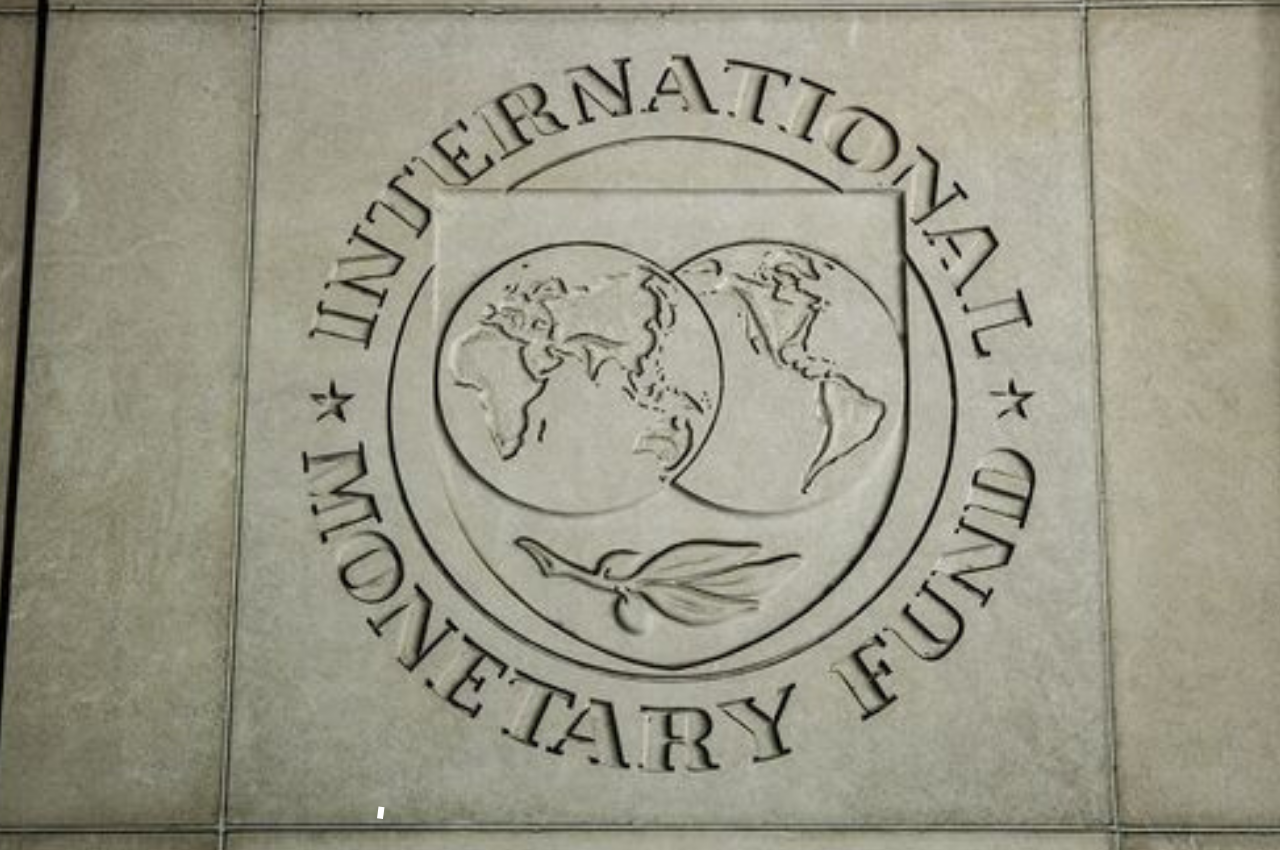
JOHANNESBURG, Feb 12 – The International Monetary Fund has recommended that South Africa introduce a more explicit and binding fiscal rule to contain public debt, cautioning that downside risks to the country’s economic outlook remain even as conditions show gradual improvement.

In its latest Article IV consultation report, the IMF noted that the expenditure ceiling framework introduced in 2012 has supported fiscal discipline but has not prevented the steady rise in government debt over the past decade and a half.

South Africa’s National Treasury currently expects gross government debt to stabilise at 77.9 percent of gross domestic product this year. However, IMF mission chief Delia Velculescu said that while the spending cap has played a constructive role, it has not been sufficient to reverse the upward debt trend.

To reinforce fiscal credibility and anchor expectations, the Fund proposed adopting a formal rule aimed at reducing debt to roughly 70 percent of GDP over the medium term and to about 60 percent over the longer horizon. According to the IMF, such a framework could help reduce sovereign borrowing costs by providing clearer policy direction to investors.

You Might Be Interested In
  • South Africa Keeps Rates at 6.75% as Iran War Fuels Inflation Risks

The recommendation follows discussions held in late 2025 between IMF staff and senior South African officials, including Finance Minister Enoch Godongwana and Reserve Bank Governor Lesetja Kganyago.

In its report, the IMF said any revised fiscal framework should combine firm expenditure limits with explicit budget balance targets, clearly defined escape clauses for major economic shocks and oversight by an independent institution to enhance accountability.

The Fund endorsed the government’s plan to post a primary budget surplus of 1.5 percent of GDP in the 2026 fiscal year. However, it warned that additional fiscal consolidation may be required in subsequent years to place debt on a durable downward trajectory.

On the broader macroeconomic outlook, the IMF projects growth of 1.4 percent in 2026 and around 1.8 percent over the medium term, supported by resilient household consumption and investment gains linked to ongoing structural reforms. Inflation is expected to ease toward the South African Reserve Bank’s 3 percent target by the end of 2027.

Despite recent positive developments, including the country’s removal from the Financial Action Task Force grey list and its first sovereign credit rating upgrade in two decades, the IMF said risks remain tilted to the downside. Global economic uncertainty and the possibility of stalled domestic reform efforts could weigh on momentum.

The Fund’s projections are broadly aligned with official forecasts. In November, the Treasury estimated growth of 1.2 percent in 2025, rising to 2 percent by 2028, while noting that risks remain skewed to weaker outcomes.

Read Next

  • Africa’s $1.3 Trillion Problem Has a $1.43 Trillion Answer. The Hard Part Is Believing It.

    June 1, 2026
  • Sierra Leone Signs $225 Million Offshore Oil Deal With Nigeria’s Marginal Energy

    April 23, 2026
  • Republic of the Congo Announces Visa-Free Access for Africans From 2027

    May 27, 2026
  • Morocco’s MedTech Firm Secures Regulatory Approval for $117 Million Initial Public Offering

    July 8, 2026
  • IMF Approves $2.3 Billion Disbursement to Egypt After Reform Programme Reviews

    February 26, 2026

Newsletter

Subscribe to our newsletter for trusted insights on Africa’s economies, markets, and business.

African Economy Inc. Logo

About Us

We are a business and economic intelligence platform delivering in-depth reporting, analysis, and insights on markets, companies and economic developments across Africa.

Our Company

  • AEI Intelligence
  • About
  • Editorial Standard
  • Partnerships
  • Advertise With Us
  • Careers
  • Ownership

News

  • Economy
  • Business
  • Markets
  • Finance
  • Credit Ratings
  • Policy
  • Tech

Useful Links

  • Privacy Policy
  • Terms of Use
  • Closed Captioning Policy
  • Accessibility Statement
  • Personal Information
  • Data Tracking
  • Register New Account

Subscribe Newsletter

Subscribe to our newsletter for trusted insights on Africa’s economies, markets, and business.

©2026 Majons Media Inc. All Rights Reserved.

Facebook Twitter Instagram Linkedin
African Economy Inc.
  • Economy
  • Business
  • Markets
  • Banking & Finance
  • Energy
  • Tech
  • Policy