
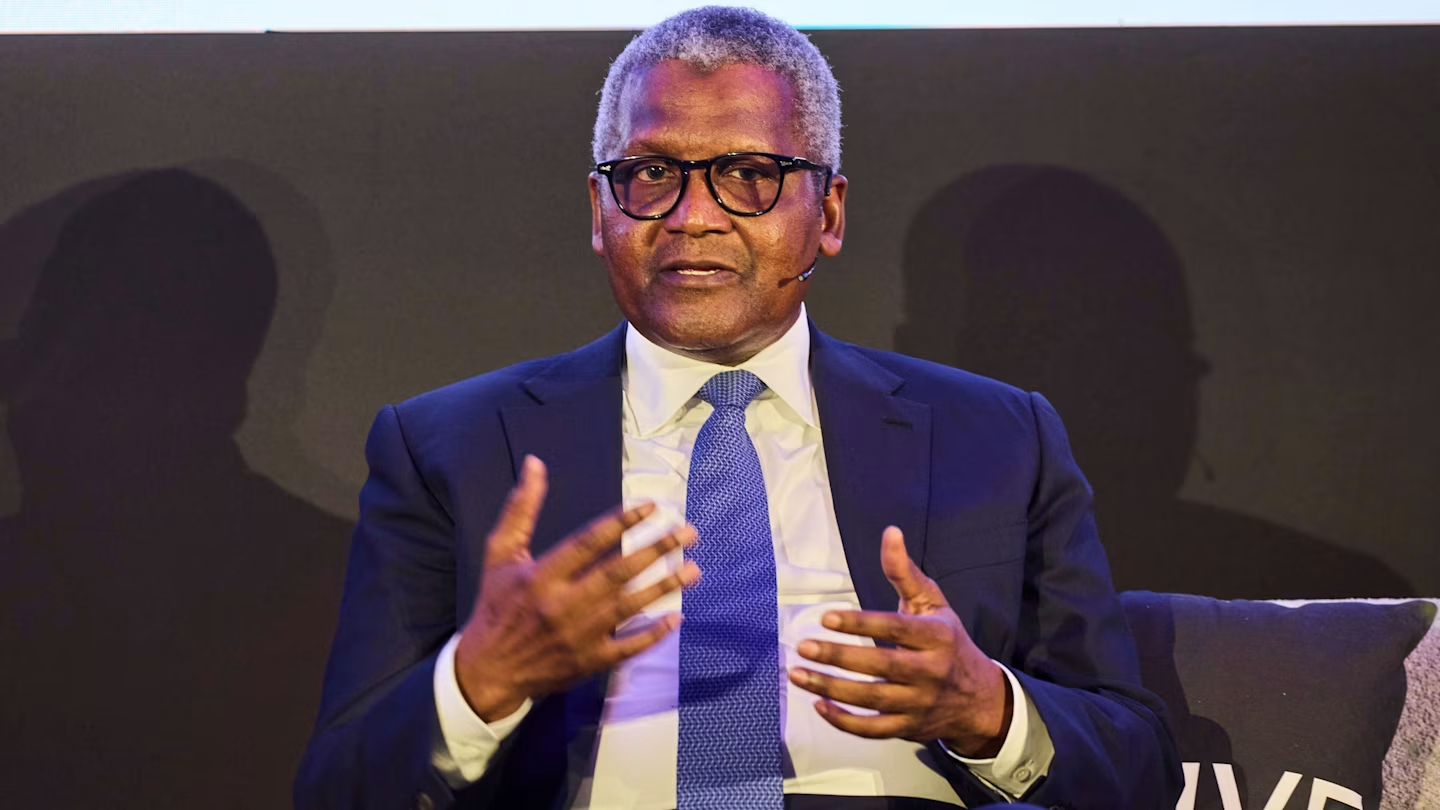
LAGOS, Nov 21 – Nigerian industrialist Aliko Dangote has proposed a 1,000-kilometre highway connecting Nigeria, Benin, Togo, Ghana and Côte d’Ivoire, placing regional transport infrastructure at the Centre of efforts to deepen trade and economic integration across West Africa.
Speaking at the maiden Invest in Ghana Summit on Monday, November 16, 2026, the Nigerian industrialist urged investors to look beyond Ghana’s domestic market and consider its access to the wider Economic Community of West African States (ECOWAS) market, which he put at approximately 450 million people.
“Ghana’s market, I was telling you, is 450 million people’s market,” he said.
Dangote argued that improved road connectivity would make it easier for producers to move goods across borders and reach customers in neighbouring economies. He identified the proposed highway as a priority for strengthening commercial links among some of the region’s largest markets.
“I think we are really going to engage with the President and the other Presidents to make sure that this road is given a priority,” he said.
Regional infrastructure at the centre of trade expansion
The proposed corridor would connect five countries across West Africa, potentially improving the movement of goods and expanding access to regional markets for manufacturers, agricultural producers and other businesses.
Dangote’s proposal reflects a broader challenge facing regional trade: access to markets depends not only on trade agreements but also on the transport infrastructure required to move products efficiently between countries.
ECOWAS trade arrangements provide a framework for reducing tariff barriers on qualifying goods traded within the region. However, transport connectivity remains an important part of translating regional market access into commercial activity.
Project remains at proposal stage
The highway is still a proposal. No confirmed government approval, financing structure, construction schedule or implementation framework has been announced in the information provided.
Dangote said he intended to engage with the presidents of the countries involved to encourage the project’s prioritisation. Its development would therefore require coordination among the participating governments, particularly on route planning, financing and execution.
If advanced, the corridor could become a significant regional infrastructure initiative, linking major West African economies and supporting cross-border trade. Its eventual impact will depend on the commitments and implementation arrangements established by the governments involved.
