
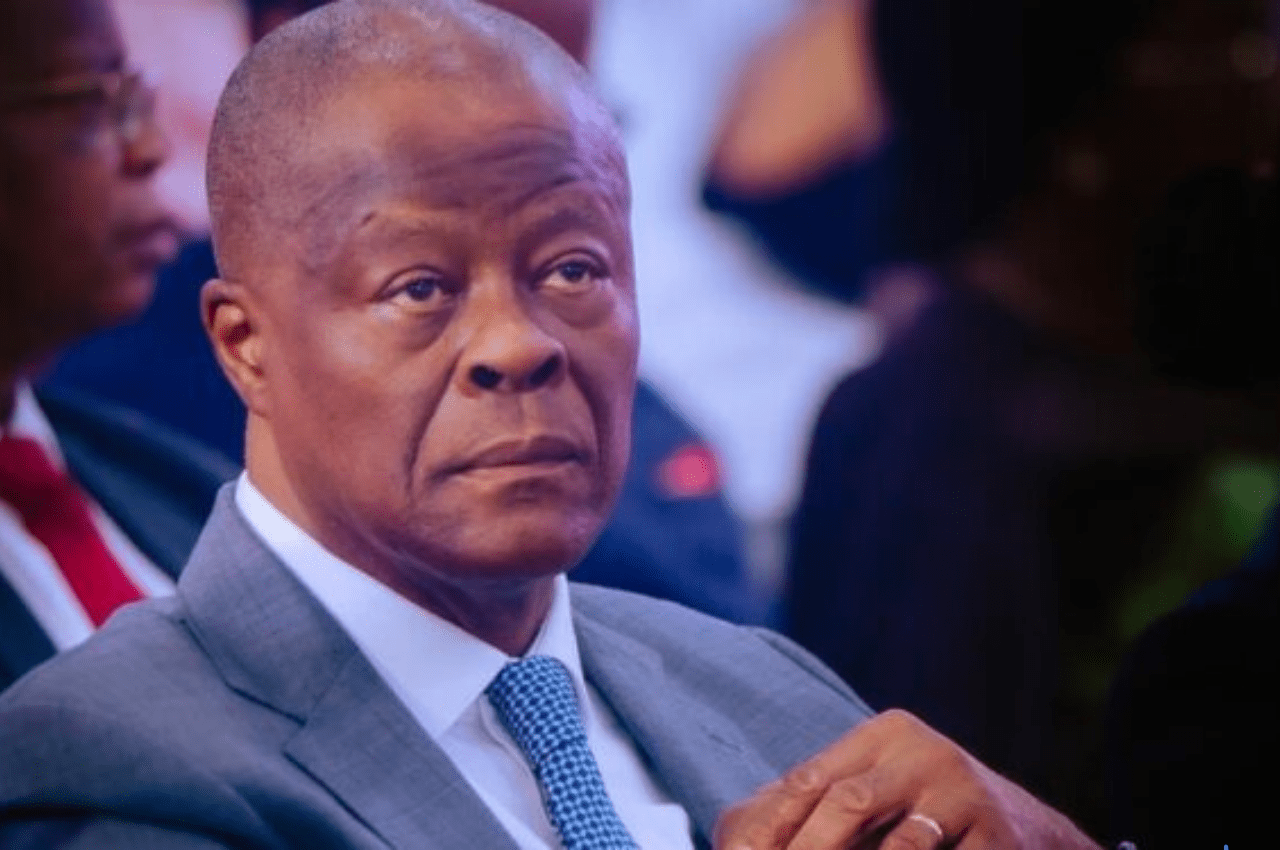
ABUJA, April 15 – Nigeria’s Minister of Finance and Coordinating Minister of the Economy, Wale Edun, has called on the International Monetary Fund (IMF) to reduce borrowing costs for developing countries, citing rising debt burdens and tightening access to concessional financing.
Edun made the call on during a media briefing of the Intergovernmental Group of Twenty-Four (G-24) held alongside the IMF in Washington DC.
His remarks come amid a more challenging global outlook, with the IMF projecting world economic growth to slow from 3.4% in 2025 to 3.1% in 2026, largely due to disruptions linked to ongoing geopolitical tensions.
Highlighting the strain on developing economies, Edun said elevated interest rates and rising debt servicing obligations are limiting fiscal space, with a growing share of government revenues being used to service debt rather than fund critical sectors such as infrastructure, healthcare, and education.
He also warned that many developing countries are now experiencing net resource outflows, as debt servicing payments exceed external financial inflows, reflecting the impact of higher global interest rates.
Supporting this position, G-24 Director Iyabo Masha noted that some member countries are among those paying the highest borrowing costs globally, reflecting the urgency for intervention.
According to S&P Global Ratings, African countries are expected to pay over $90 billion in external debt servicing in 2026, more than three times the level recorded in 2012 with Egypt accounting for about $27 billion of this total, followed by Angola, South Africa, and Nigeria.
Edun also cautioned against a return to broad subsidy regimes despite rising global energy costs, stressing the need to sustain ongoing economic reforms while prioritising targeted support for vulnerable populations.
He added that while multilateral support is critical, countries must also strengthen domestic revenue mobilisation and improve tax systems to build long-term resilience.
