
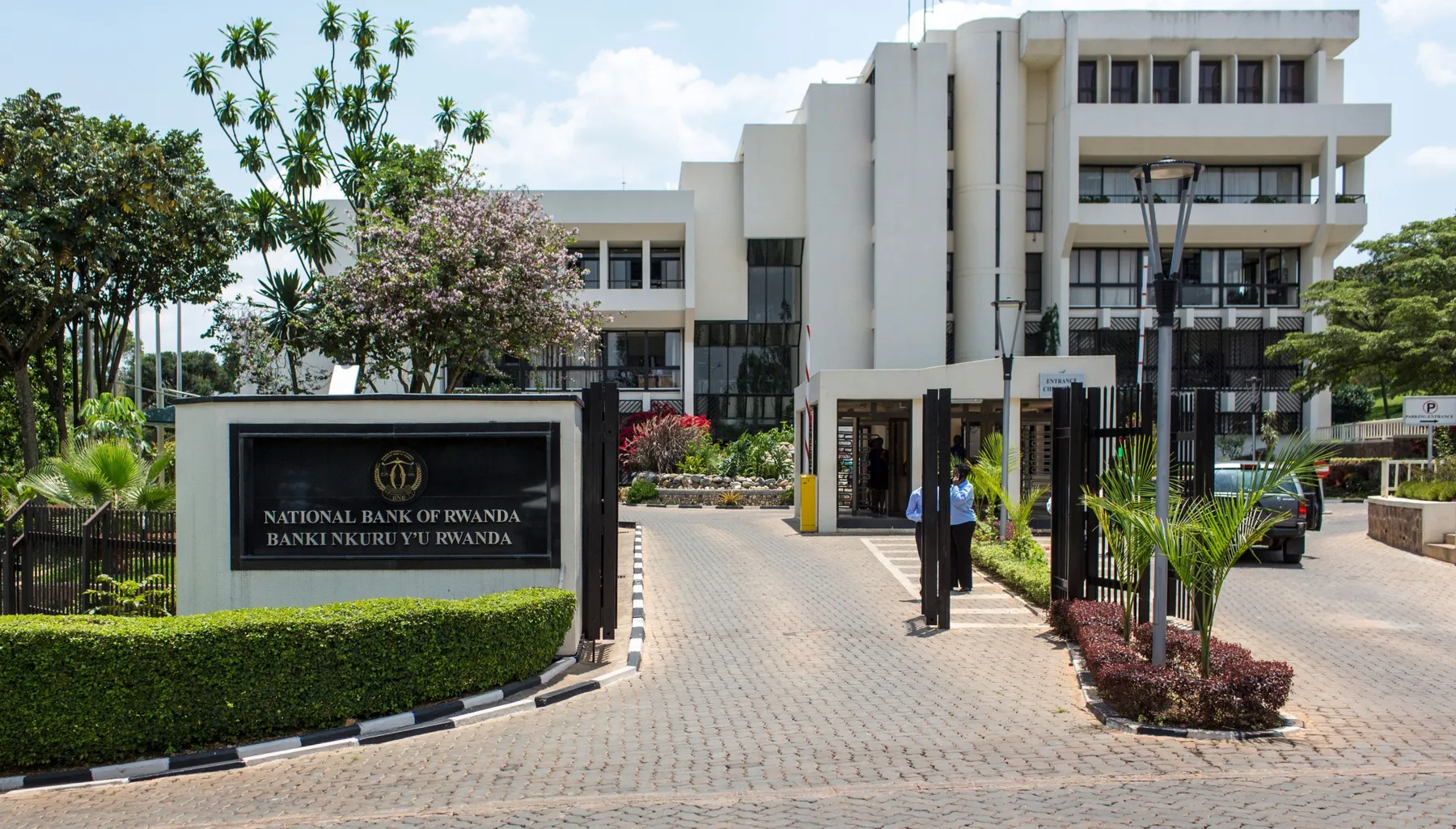
KIGALI, Aug 27 – The National Bank of Rwanda has raised its key interest rate to 8.75%, its highest level since 2009, as policymakers step up efforts to contain rapidly accelerating inflation and address risks to the price outlook.
The Monetary Policy Committee increased the Central Bank Rate by 50 basis points from 8.25%, marking the third consecutive rate increase and extending a tightening cycle that has delivered a cumulative 175 basis-point increase since November 2025.
Inflation has accelerated sharply in recent months. Consumer price growth increased from 9.1% in the first quarter of 2026 to 13.2% in the second quarter before reaching 14.5% in July. The central bank expects inflation to average 13.1% for the full year, slightly below its previous forecast of 13.9%.
The MPC identified several risks that could keep inflation elevated. The emergence of an El Niño climate pattern could put pressure on domestic and international food prices, while continued tensions in the Middle East could keep global commodity prices elevated for longer.
The latest rate increase is intended to prevent temporary price pressures from becoming entrenched in the broader economy. According to the MPC, the decision is designed to anchor inflation expectations, limit second-round effects and support inflation’s return to the target range during the second half of 2027.
Despite the inflation challenge, Rwanda’s economic activity has remained strong. The economy expanded by 10.0% year-on-year in the first quarter of 2026, supported by broad-based growth across sectors. Momentum continued into the second quarter, with the Composite Index of Economic Activities rising 10.9% year-on-year.
External trade also strengthened, although stronger imports widened the country’s trade deficit. Merchandise exports increased 51.0% in the second quarter, driven largely by mineral exports amid favourable international prices. Non-traditional exports rose 39.4%, supported by products including processed cooking oil, cement and wheat flour, while re-exports increased 26.0% as regional demand strengthened.
Imports, however, grew by 28.0%, reflecting increased demand for essential food products such as crude cooking oil and rice, as well as construction materials, medical equipment and information technology equipment. The trade deficit consequently widened 13.8% to $821.9 million from $722.3 million a year earlier.
The Rwandan franc has remained relatively stable despite the broader external pressures. The currency depreciated 0.87% against the US dollar during the first half of 2026, substantially less than the 2.96% depreciation recorded over the same period in 2025.
The combination of strong economic activity and elevated inflation leaves policymakers balancing two competing objectives: preserving growth momentum while preventing price pressures from becoming entrenched. The latest rate increase signals that price stability remains the central bank’s immediate priority.
With inflation projected to remain well above target in the near term, the trajectory of food and commodity prices, currency movements and domestic demand will be critical to the next phase of Rwanda’s monetary policy. The central bank’s stated objective is to bring inflation back within its target range in the second half of 2027.
