
African Economy Inc.
  • Home
  • Economy
  • Business
  • Markets
  • Finance
  • Credit Ratings
  • Policy
  • Tech
African Economy Inc.
  • Home
  • Economy
  • Business
  • Markets
  • Finance
  • Credit Ratings
  • Policy
  • Tech
Top News
South Africa’s 2026 Maize Harvest Forecast Rises to 17.4 Million Tonnes
Nigeria’s Foreign Reserves Rise Above $53 Billion to Highest Level Since 2009
Sudanese Oil Returns to Marine Fuel Market as China Demand Eases
Ivory Coast’s Delayed Cocoa Crop Raises Port Congestion Risk Ahead of EU Deforestation Rules
Ventures Platform Closes $84 Million Second Fund to Back African Startups
Blu Label Moves Into Electricity After Cell C Separation
South African Miners Accelerate Renewable Energy Investment to Cut Costs and Grid Dependence
Africa’s New Credit Rating Agency: What Investors Need to Know Ahead of Its October Launch
Egypt Dominates Africa’s Sukuk Market With 48% Share as Issuance Tops $7 Billion
Ventures Platform Closes $84 Million Fund to Back African Startups With Larger Cheques
MTN Explores Banking Licences as Africa’s Largest Telecoms Operator Expands Into Lending
Dangote Plans to Acquire Ships as High Transport Costs Limit Regional African Exports
Africa’s Data Sovereignty Push Reshapes AI Race as AWS Targets Growing Demand
South African Miners Fastens Shift to Renewable Power to Cut Eskom Reliance
Tanzania Vice President Resigns Less Than a Year Into Office
SUBSCRIBE
African Economy Inc.
Subscribe
African Economy Inc.
  • Home
  • Economy
  • Business
  • Markets
  • Finance
  • Credit Ratings
  • Policy
  • Tech
Copyright 2026 - All Right Reserved
Home » Nigeria’s Foreign Reserves Rise Above $53 Billion to Highest Level Since 2009
Economy

Nigeria’s Foreign Reserves Rise Above $53 Billion to Highest Level Since 2009

by Emmanuel Ebube August 27, 2026
written by Emmanuel Ebube August 27, 2026
Nigeria
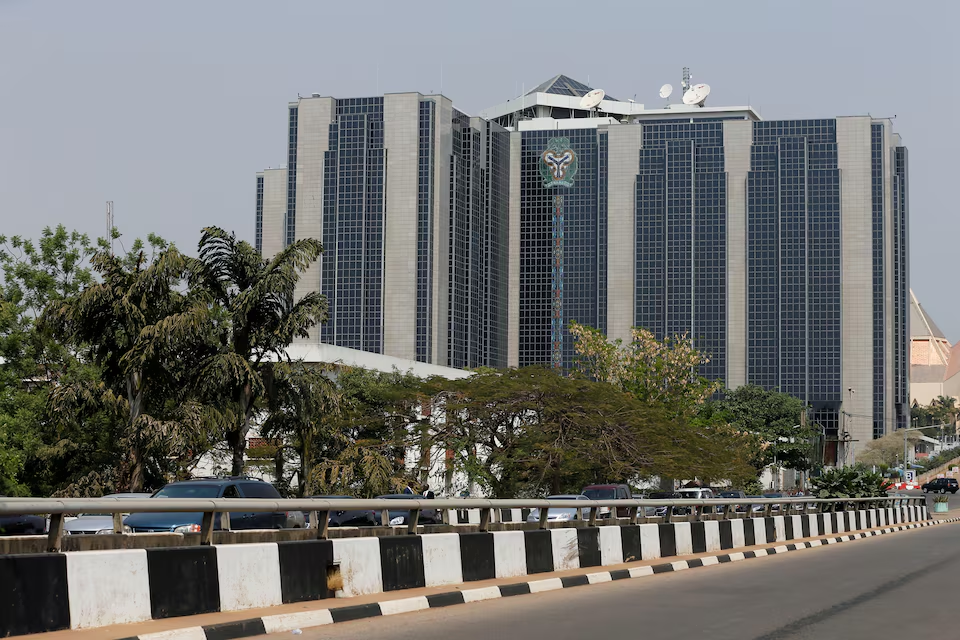
Central Bank of Nigeria's logo is seen on the headquarters building in Abuja, Nigeria January 22, 2018. REUTERS/Afolabi Sotunde
FacebookTwitterLinkedinEmail
5

ABUJA, Aug 27 – Nigeria’s foreign exchange reserves have risen to $53.11 billion, reaching their highest level in more than 17 years as the country continues to accumulate external buffers.

Data from the Central Bank of Nigeria showed that gross external reserves stood at $53.112 billion on August 24, 2026. The latest balance is the highest recorded since January 12, 2009, when reserves reached approximately $53.25 billion.

The latest increase extends a buildup that has accelerated since June, reserves stood at $49.96 billion on June 3, meaning the stock has increased by about $3.15 billion in less than three months.

The accumulation has continued through July and August. CBN data showed reserves at $51.53 billion on July 3 before crossing the $52 billion mark on July 27. By August 21, the balance had reached $52.86 billion, before rising further to $53.11 billion on August 24.

You Might Be Interested In
  • Tunisia’s Cash Holdings Hit Record $10.5 Billion, Putting Pressure on Banks

At the latest level, Nigeria’s reserves remain only about $142 million below the January 2009 record of $53.25 billion. The development puts the country’s external reserves within reach of a level last seen during a period when oil revenues were providing substantial support to Nigeria’s external position.

The stronger reserve position provides additional foreign-exchange liquidity and strengthens the country’s capacity to manage external payment obligations and periods of pressure in the currency market. It also provides a larger buffer against external shocks, although the sustainability of the buildup will depend on the underlying sources of foreign-exchange inflows and developments in the oil and broader external sectors.

The pace of accumulation since June is particularly notable, with the reserve stock increasing by more than 6% between June 3 and August 24. The rise has occurred alongside ongoing movements in Nigeria’s foreign-exchange market, making the reserve position an important indicator for investors assessing the country’s external stability.

With reserves now just below the previous 2009 peak, further accumulation would push Nigeria into territory not seen in more than a decade and a half. The trajectory will be closely watched as policymakers continue efforts to strengthen external liquidity and improve confidence in the country’s foreign-exchange position.

Read Next

  • Nigeria 2026 Fiscal Policy Circular Cuts Palm Oil Import Duty to 28.75%

    April 13, 2026
  • South Africa’s Economy Grows 0.5% in Q1 2026, Outpacing Forecasts

    June 9, 2026
  • Tanzania Commissions 2,115-MW Julius Nyerere Hydropower Plant to Boost Power Exports

    August 22, 2026
  • Morocco Launches MAD 365 Million Water Infrastructure Project for Khouribga

    July 16, 2026
  • Nigeria to Launch Digital Address System to Cut Delivery Costs and Boost Security

    June 17, 2026

Newsletter

Subscribe to our newsletter for trusted insights on Africa’s economies, markets, and business.

African Economy Inc. Logo

About Us

We are a business and economic intelligence platform delivering in-depth reporting, analysis, and insights on markets, companies and economic developments across Africa.

Our Company

  • AEI Intelligence
  • About
  • Editorial Standard
  • Partnerships
  • Advertise With Us
  • Careers
  • Ownership

News

  • Economy
  • Business
  • Markets
  • Finance
  • Credit Ratings
  • Policy
  • Tech

Useful Links

  • Privacy Policy
  • Terms of Use
  • Closed Captioning Policy
  • Accessibility Statement
  • Personal Information
  • Data Tracking
  • Register New Account

Subscribe Newsletter

Subscribe to our newsletter for trusted insights on Africa’s economies, markets, and business.

©2026 Majons Media Inc. All Rights Reserved.

Facebook Twitter Instagram Linkedin
African Economy Inc.
  • Economy
  • Business
  • Markets
  • Banking & Finance
  • Energy
  • Tech
  • Policy