
African Economy Inc.
  • Home
  • Economy
  • Business
  • Markets
  • Finance
  • Credit Ratings
  • Policy
  • Tech
African Economy Inc.
  • Home
  • Economy
  • Business
  • Markets
  • Finance
  • Credit Ratings
  • Policy
  • Tech
Sunday, August 16, 2026
Top News
Fitch Upgrades Republic of Congo’s Local-Currency Rating to CCC+ on Lower Debt Risks
Nigeria’s Exports to China Surge 80% to $2.3 Billion in First Half of 2026
Resolute Mining and Guinea’s Nimba Mining Gold Form Joint Venture for Gold Exploration
Uganda Central Bank Holds Rate at 9.75% as Inflation Remains Contained
Nigeria Oil Production Falls 4% in July to 1.505 Million Barrels Per Day
India and SACU Launch Preferential Trade Talks to Expand Africa-India Commerce
Egypt Opens 2026 Oil and Gas Bid Round for 14 Exploration Blocks
Morocco Sets September 1 Deadline for Several 2026 Tax Payments
Standard Bank Half-Year Earnings Rise 10% to $1.62 Billion as Credit Costs Fall
Vodacom Appoints Former Airtel Africa CEO Segun Ogunsanya to Its Board
SEC Sets Time for Daily Trade Settlement Deadline for Nigeria’s Equities and Commodities Market
Central African Republic Inaugurates 50-MW Solar Plant to Expand Electricity Supply
Namibia Central Bank Holds Repo Rate at 6.75% as Growth Forecast Is Cut
Jumia Raises $50 Million From IFC and Axian to Expand E-Commerce Across Africa
Nigeria Considers Crude Pricing and Supply Changes to Support Local Refineries
SUBSCRIBE
African Economy Inc.
Subscribe
African Economy Inc.
  • Home
  • Economy
  • Business
  • Markets
  • Finance
  • Credit Ratings
  • Policy
  • Tech
Copyright 2026 - All Right Reserved
Home » AfDB Warns Middle East Conflict Could Slow Africa Growth Despite Oil Gains
Economy

AfDB Warns Middle East Conflict Could Slow Africa Growth Despite Oil Gains

by Emmanuel Ebube March 30, 2026
written by Emmanuel Ebube March 30, 2026
FacebookTwitterLinkedinEmail
114

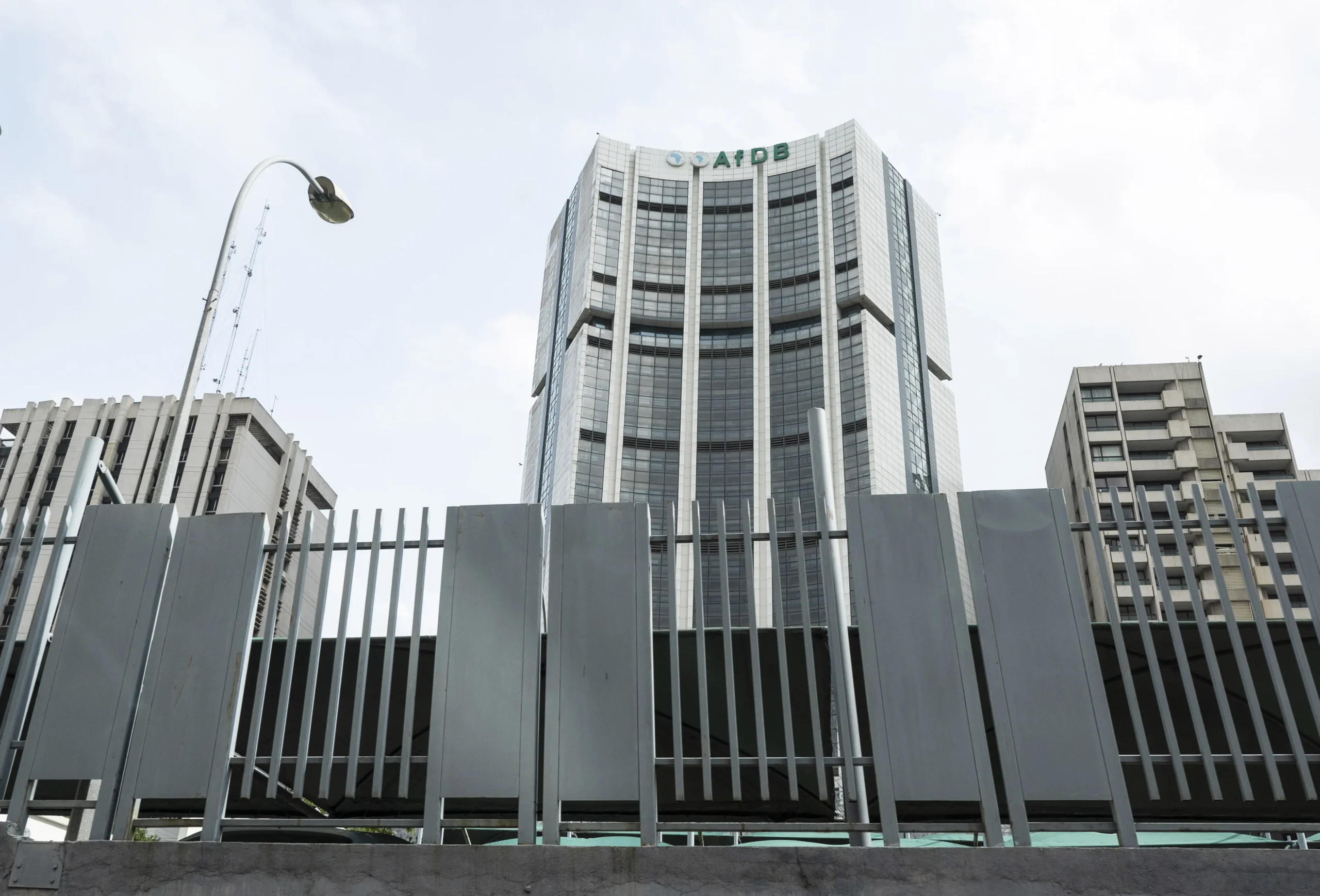
ADDIS-ABABA, Mar 30 – The African Development Bank has warned that the economic impact of the Middle East conflict on Africa could be modest in the short term, but risks compounding existing structural pressures across the continent.

Chief Economist Kevin Urama said Africa’s economic growth could decline by about 0.2 percentage points if the conflict lasts no longer than three months. However, a prolonged war of up to six months could reduce growth by as much as 1.5%.

The warning comes as African economies grapple with rising debt burdens, declining foreign investment and shrinking development assistance flows.

Despite these challenges, the AfDB projects Africa’s growth will accelerate to 4.3% in 2026 and 4.5% in 2027, though it cautioned that fiscal pressures remain a major constraint.

You Might Be Interested In
  • Zambia Seeks New IMF Programme, Targets Staff Level Agreement

Higher global oil prices could provide a partial buffer for oil-exporting nations, as supply disruptions linked to the conflict push prices upward. Domestic refining capacity, including facilities such as the Dangote Petroleum Refinery, may also help cushion supply shocks.

However, the broader impact is already being felt across the continent. Rising fuel, food and fertiliser costs are increasing inflationary pressures, with about 29 African countries experiencing currency depreciation linked to these shocks.

Debt sustainability remains a critical concern. According to the AfDB, debt servicing now consumes more than 31% of government revenues across Africa, limiting spending on essential sectors such as health, education and infrastructure.

Total public debt on the continent reached $1.9 trillion in 2024, with seven countries already in debt distress and 13 others at high risk.

The bank also highlighted declining external support, noting that cuts to official development assistance threaten key social programmes. The United States accounted for over a third of bilateral aid to Africa between 2015 and 2023, making recent reductions particularly significant.

Foreign direct investment flows have also weakened, falling 42% in the first half of 2025. The AfDB warned that continued global uncertainty could trigger further capital outflows from the continent.

While oil-producing economies may see short-term gains, the broader outlook suggests that Africa’s recovery remains vulnerable to external shocks, with geopolitical instability adding another layer of risk to an already fragile economic environment.

Read Next

  • Pepkor Reports Higher First Quarter Revenue Based on Acquisitions and Festive Demand

    February 3, 2026
  • Egypt to Add 2,500MW Renewables as El-Sisi Pushes Energy Transition

    April 8, 2026
  • Shell Beats Earnings Estimates as Iran War Boosts Trading Profits

    May 7, 2026
  • Morocco’s Manufacturing Output Falls as Auto and Pharma Sectors Hold Up Growth

    June 16, 2026
  • Goldman Sachs Executives Visits Dangote Refinery as Group Targets $100 Billion Revenue by 2030

    August 8, 2026

Newsletter

Subscribe to our newsletter for trusted insights on Africa’s economies, markets, and business.

African Economy Inc. Logo

About Us

We are a business and economic intelligence platform delivering in-depth reporting, analysis, and insights on markets, companies and economic developments across Africa.

Our Company

  • AEI Intelligence
  • About
  • Editorial Standard
  • Partnerships
  • Advertise With Us
  • Careers
  • Ownership

News

  • Economy
  • Business
  • Markets
  • Finance
  • Credit Ratings
  • Policy
  • Tech

Useful Links

  • Privacy Policy
  • Terms of Use
  • Closed Captioning Policy
  • Accessibility Statement
  • Personal Information
  • Data Tracking
  • Register New Account

Subscribe Newsletter

Subscribe to our newsletter for trusted insights on Africa’s economies, markets, and business.

©2026 Majons Media Inc. All Rights Reserved.

Facebook Twitter Instagram Linkedin
African Economy Inc.
  • Economy
  • Business
  • Markets
  • Banking & Finance
  • Energy
  • Tech
  • Policy