African Economy Inc.
  • Home
  • Economy
  • Business
  • Markets
  • Finance
  • Credit Ratings
  • Policy
  • Tech
African Economy Inc.
  • Home
  • Economy
  • Business
  • Markets
  • Finance
  • Credit Ratings
  • Policy
  • Tech
Top News
Ethiopia’s Official Creditors Back Preliminary $1 Billion Eurobond Restructuring Deal
Morocco’s Growing Economic Leverage Strengthens Its Position in Spain’s Trade and Supply Chains
Chinese Construction Firms Lead Shortlist for Ethiopian Airlines’ $12.5 Billion Airport
Seychelles Launches Blue and Green Economy Project With UNDP to Drive Nature-Positive Development
Johannesburg Settles $328 Million Eskom Debt, Easing Risk of Power Supply Restrictions
Tanzania Commissions 2,115-MW Julius Nyerere Hydropower Plant to Boost Power Exports
Morocco’s OCP Resumes US Fertilizer Exports With 54,000-Ton Phosphate Shipment
Petrobras Begins Talks to Explore Four Offshore Oil Blocks in Ghana’s Keta Basin
Dangote Offers East African Countries 30% Stake in Proposed $17 Billion Kenya Refinery
Citi Upgrades Zambia Bonds to Overweight After Hichilema Secures Second Term
China-Ethiopia Trade Deals Reach $330 Million as Exports to China Grow
Ivory Coast Cocoa Industry Faces Disruption Risk Ahead of EU Deforestation Rules
Nigeria SEC Proposes Rules Requiring Crypto Firms to Share Transaction Data
Ethiopia Says It Does Not Need Permission to Develop Abay River Resources
Ethiopia Central Bank Allocates $500 Million in Forex Auction at 160.21 Birr per Dollar
SUBSCRIBE
African Economy Inc.
Subscribe
African Economy Inc.
  • Home
  • Economy
  • Business
  • Markets
  • Finance
  • Credit Ratings
  • Policy
  • Tech
Copyright 2026 - All Right Reserved
Home » IMF Says Nigeria Omitted Public Spending Equivalent to 2% of GDP From Official Budgets
Economy

IMF Says Nigeria Omitted Public Spending Equivalent to 2% of GDP From Official Budgets

by Emmanuel Ebube July 1, 2026
written by Emmanuel Ebube July 1, 2026
FacebookTwitterLinkedinEmail
59

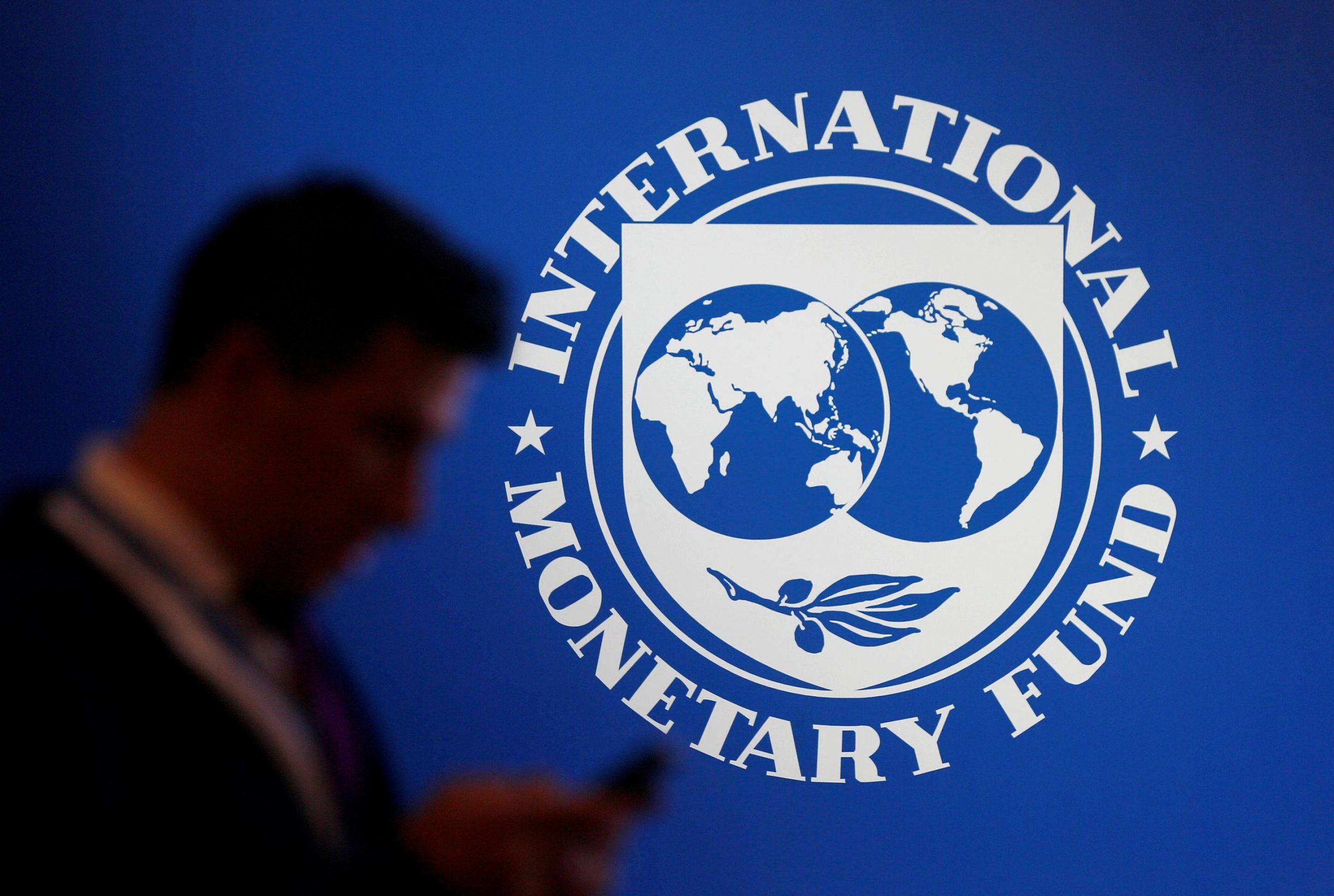
LAGOS, July 1 – The International Monetary Fund (IMF) has stated that Nigeria’s official budgets have omitted public expenditure equivalent to approximately 2% of Gross Domestic Product (GDP), causing the country’s reported fiscal deficit to appear smaller than its actual financing requirements.

The disclosure was made on Wednesday by the IMF’s Resident Representative in Nigeria, Christian Ebeke, during an engagement with business executives in Lagos.

According to the IMF, a portion of government expenditure, particularly spending on major capital projects, has been executed outside the official budget framework, creating a statistical gap between the reported fiscal deficit and the government’s actual borrowing needs.

Explaining the Fund’s assessment, Ebeke said, “So far we think that there are about 2% of GDP of expenditure that were not reported that should be reported and should be recorded, so that this statistical discrepancy will disappear.”

You Might Be Interested In
  • Senegal Signals Willingness to Restructure Debt Amid IMF Programme Negotiations

He noted that the omission of off-budget expenditure distorts assessments of Nigeria’s fiscal position and public investment, making it more difficult for policymakers to accurately evaluate government finances.

Ebeke further explained that incomplete fiscal reporting complicates coordination between fiscal and monetary authorities because policymakers may not have a comprehensive picture of the country’s true budget deficit and financing needs.

According to him, Nigerian authorities have already begun addressing the issue by reviewing and revising recent budget laws to incorporate previously unrecorded expenditure. However, he emphasised that updated budget implementation reports remain necessary to provide a complete account of government spending.

The IMF also stressed that improving fiscal transparency is essential for strengthening public accountability, noting that off-budget expenditure can raise concerns about procurement processes and oversight of public funds.

The Fund said comprehensive budget reporting would improve the credibility of Nigeria’s public finances by eliminating the statistical discrepancy between reported fiscal deficits and actual financing requirements. It added that more transparent reporting would strengthen fiscal oversight, improve coordination between monetary and fiscal authorities, and provide a clearer basis for assessing the effectiveness of public investment.

The IMF’s findings suggest that Nigeria’s fiscal deficit may be materially understated when compared with the government’s true financing needs, underscoring the importance of fully recording all public expenditures to enhance transparency and support sound economic policymaking.
Read Next

  • Fitch Upgrades Republic of Congo’s Local-Currency Rating to CCC+ on Lower Debt Risks

    August 15, 2026
  • China’s Solar Exports to Africa Surge 83% as Renewable Energy Demand Accelerates

    May 21, 2026
  • Mission 300 Connects 50 Million Africans as World Bank and AfDB Advance 2030 Energy Goal

    June 26, 2026
  • Egypt Secures €1 Billion EU Disbursement Under Financial Support Program

    January 15, 2026
  • Kenya’s Planned Lamu Refinery Faces Environmental Review Amid Expansion Plans

    August 6, 2026

Newsletter

Subscribe to our newsletter for trusted insights on Africa’s economies, markets, and business.

African Economy Inc. Logo

About Us

We are a business and economic intelligence platform delivering in-depth reporting, analysis, and insights on markets, companies and economic developments across Africa.

Our Company

  • AEI Intelligence
  • About
  • Editorial Standard
  • Partnerships
  • Advertise With Us
  • Careers
  • Ownership

News

  • Economy
  • Business
  • Markets
  • Finance
  • Credit Ratings
  • Policy
  • Tech

Useful Links

  • Privacy Policy
  • Terms of Use
  • Closed Captioning Policy
  • Accessibility Statement
  • Personal Information
  • Data Tracking
  • Register New Account

Subscribe Newsletter

Subscribe to our newsletter for trusted insights on Africa’s economies, markets, and business.

©2026 Majons Media Inc. All Rights Reserved.

Facebook Twitter Instagram Linkedin
African Economy Inc.
  • Economy
  • Business
  • Markets
  • Banking & Finance
  • Energy
  • Tech
  • Policy