
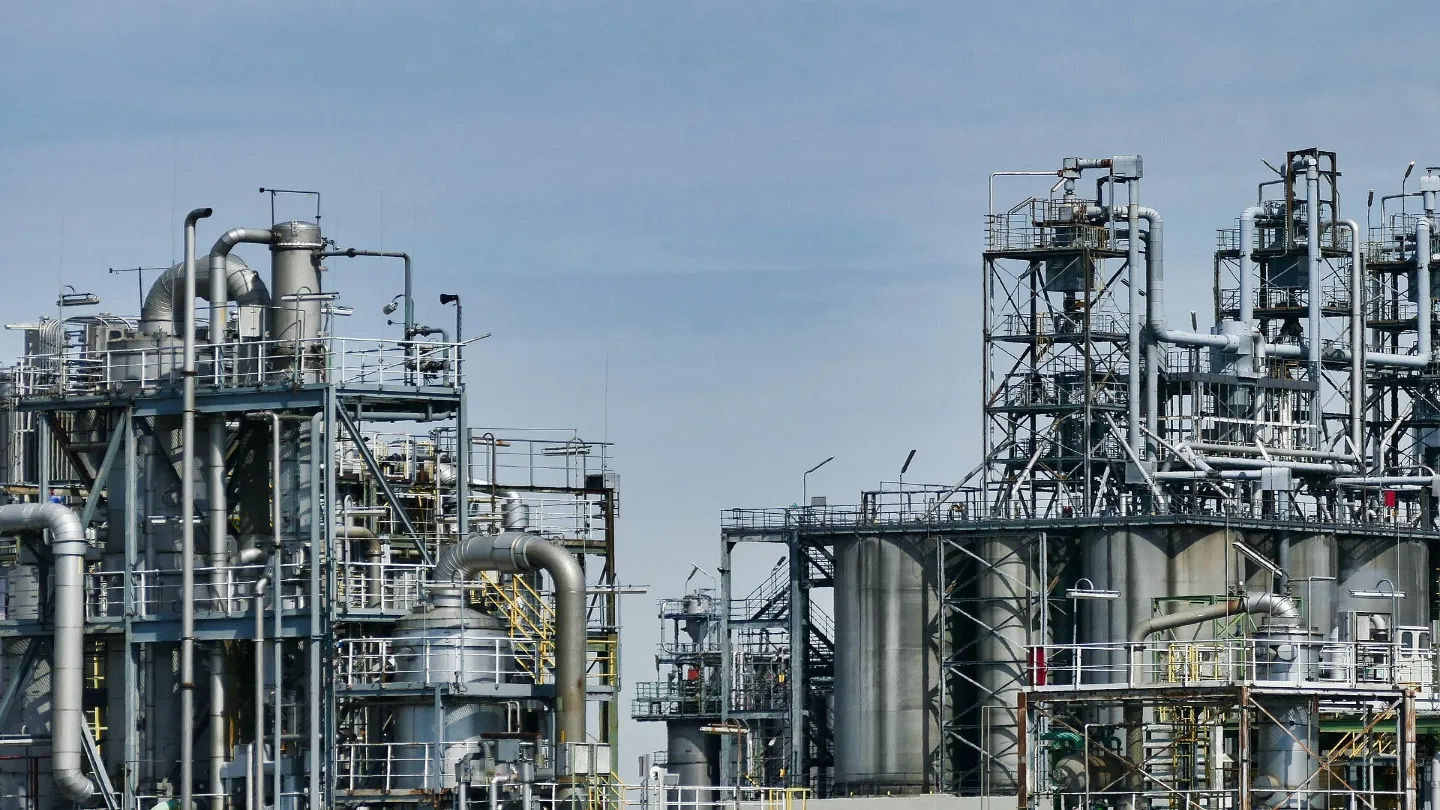
KAMPALA, Aug 5 – Uganda expects to reach a final investment decision (FID) on its planned $4 billion crude oil refinery by February 2027, a milestone that could unlock long-delayed development of one of the country’s flagship energy projects.
The Petroleum Authority of Uganda (PAU) announced that basic engineering work on the refinery has already commenced, paving the way for the project’s next development phase.
According to the regulator, the final investment decision is expected in February 2027, following ongoing preparatory work.
The refinery project is being developed under a memorandum of understanding signed in March 2025 between the Ugandan government and UAE-based Alpha MBM Investments.
The agreement followed several unsuccessful attempts to advance the project with previous investors from Russia and South Korea, which failed to reach implementation.
Under the current ownership structure, Alpha MBM Investments is expected to hold a 60% stake in the refinery, while the remaining 40% will be owned by the Uganda National Oil Company (UNOC).
The planned facility will have a processing capacity of 60,000 barrels of crude oil per day and is expected to play a central role in Uganda’s emerging petroleum industry as the country prepares for commercial oil production from fields in its western region.
The refinery is intended to reduce Uganda’s dependence on imported petroleum products while supporting domestic fuel supply and creating additional value from the country’s crude oil resources.
In a separate update, the Petroleum Authority of Uganda disclosed that construction of the East African Crude Oil Pipeline (EACOP) is progressing but remains slightly behind schedule.
The regulator attributed the delays to disruptions caused by the conflict in the Middle East, highlighting the impact of global geopolitical developments on major infrastructure projects.
The refinery and the EACOP are widely regarded as the two cornerstone projects underpinning Uganda’s long-term hydrocarbons strategy, with both expected to play a critical role in transforming the country into a significant oil producer and exporter in East Africa.
