African Economy Inc.
  • Home
  • Economy
  • Business
  • Markets
  • Finance
  • Credit Ratings
  • Policy
  • Tech
African Economy Inc.
  • Home
  • Economy
  • Business
  • Markets
  • Finance
  • Credit Ratings
  • Policy
  • Tech
Top News
BHP Copper Earnings Hit $18.19 Billion as Zambia Gains Exploration Interest
Kenya Construction Activity Gains Momentum as Cement Production and Building Approvals Rise
Absa Group Raises Absa Bank Kenya Stake to 72% Through Share Tender Offer
South Africa Inflation Eases to 4.3% in July, Strengthening Case for Rate Hold
Electricity Bills to Become More Transparent Under New South Africa Policy
Nigeria EFCC Recovers N4.5 Billion Worth of Diesel in Alleged Theft Case
AFDB Says Eight More African Countries Will be Developing Circular Economy Roadmaps
A.P. Moller Capital to Acquire Majority Stake in Moroccan Logistics Firm Globex
Equinor Acquires 17.4% Stake in Namibia’s Orange Basin From Chevron
Mali Gold Production Rises 30% in First Half of 2026 as Mines Rebound
US Lifts 12-Year Port Restriction on Nigerian Vessels, Boosting Maritime Trade Prospects
Ninety One Closes $404 Million Africa Credit Fund as Private Debt Demand Grows
South Africa Business Confidence Rises to 125.4 in July Amid Inflation Pressures
IMF to Resume Senegal Talks as Country Moves Toward New Lending Programme
ExxonMobil Awards $1.1 Billion in Contracts for Mozambique’s Rovuma LNG Project
SUBSCRIBE
African Economy Inc.
Subscribe
African Economy Inc.
  • Home
  • Economy
  • Business
  • Markets
  • Finance
  • Credit Ratings
  • Policy
  • Tech
Copyright 2026 - All Right Reserved
Home » Fitch Warns Nigeria’s Proposed $5 Billion Swap Deal Could Increase Sovereign Debt Risks
Finance

Fitch Warns Nigeria’s Proposed $5 Billion Swap Deal Could Increase Sovereign Debt Risks

by Emmanuel Ebube June 23, 2026
written by Emmanuel Ebube June 23, 2026
FacebookTwitterLinkedinEmail
87

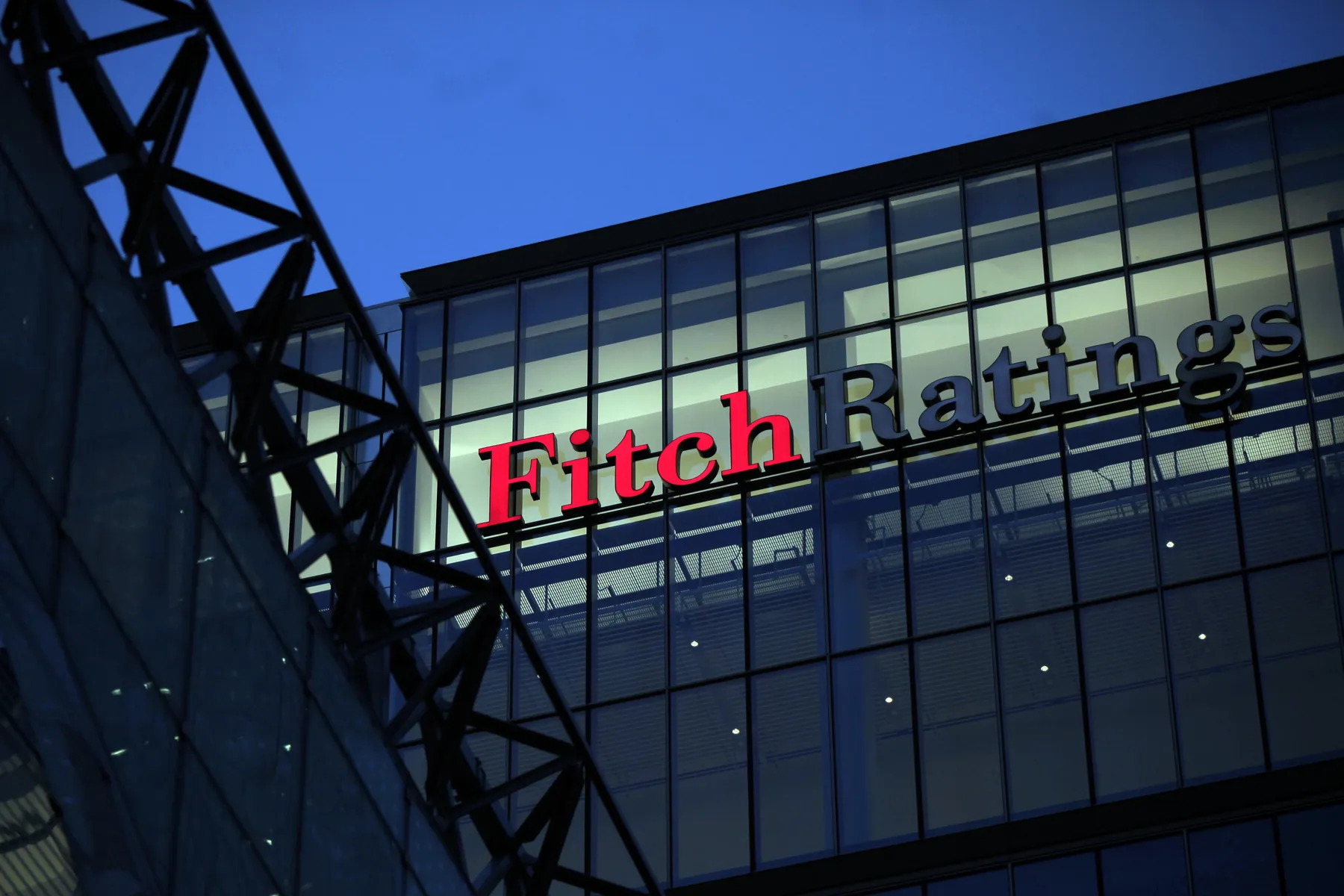
LAGOS, June 23 – Fitch Ratings has warned that Nigeria’s proposed $5 billion Total Return Swap (TRS) financing arrangement with First Abu Dhabi Bank could increase sovereign debt risks, reduce borrowing transparency and complicate any future debt restructuring process.

The assessment was published in a new Fitch report titled Emerging Market Sovereigns’ Use of Total Return Swaps Raises Risks: Balancing Transparency and Recovery Risks Against Financing Flexibility.

Earlier this year, Nigeria’s Senate approved the proposed transaction, which is intended to refinance expensive debt obligations and provide funding for critical infrastructure projects.

The transaction marks Nigeria’s entry into a financing structure that has previously been used by Angola and Senegal.

You Might Be Interested In
  • Egypt’s MSMEDA Provides 500 Million EGP to Support MSMEs

Under the proposed arrangement, Nigeria would pledge approximately N6.67 trillion worth of naira-denominated government bonds as collateral in exchange for $5 billion in foreign currency financing. The facility is expected to mature in 2032.

Fitch acknowledged that Total Return Swaps can provide governments with valuable financing flexibility.

According to the ratings agency, the structure can improve access to foreign currency liquidity, diversify funding sources and lower borrowing costs compared with conventional international bond issuance.

However, Fitch warned that the contractual nature of TRS agreements may reduce transparency because their full terms are often not publicly disclosed.

The agency noted that limited disclosure could make it more difficult for investors to assess the true size, cost and risks associated with sovereign borrowing.

Fitch also highlighted potential liquidity risks arising from the structure of the transaction.

Because the collateral consists of local currency government bonds while financing is received in U.S. dollars, a depreciation of the naira or a rise in domestic bond yields could trigger additional dollar-denominated margin calls.

According to the agency, such obligations could place significant pressure on Nigeria’s external liquidity during periods of market volatility.

Fitch further warned that if a government is unable to settle its obligations in cash when a Total Return Swap is terminated, the event could be classified as a sovereign default under its rating methodology.

The ratings agency also emphasized that the overall risk associated with TRS financing depends on the scale of exposure.

While Nigeria’s proposed $5 billion facility represents a significant transaction, Fitch said risks would increase if similar financing structures become a larger proportion of the country’s external debt.

The report compares Nigeria’s planned transaction with previous TRS arrangements undertaken by Angola and Senegal.

According to Fitch, Angola initially relied on the instrument during periods of limited access to international capital markets before later using it as a liquidity management tool. Senegal, meanwhile, employed the structure primarily to secure financing at costs below prevailing Eurobond yields.

Fitch concluded that although Total Return Swaps can provide valuable financing flexibility for emerging market sovereigns, governments must ensure adequate transparency and carefully manage the associated liquidity and refinancing risks to preserve investor confidence.

Read Next

  • Nigeria’s Domestic Gas Sales Climb 30% as Sector Reforms Gain Ground

    June 15, 2026
  • South Africa Consumer Confidence Improves in Q1 Amid Iran War Risks

    March 24, 2026
  • South Africa’s Current Account Surplus Widens to Four-Year High on Gold Export Boom

    June 11, 2026
  • South Africa Secures $1.5 Billion World Bank Loan for Infrastructure Reform Push

    July 17, 2026
  • Nigeria’s Tinubu Approves 30% Debt Relief to Airlines, Pushes Urgent Talks on Jet Fuel Prices

    April 24, 2026

Newsletter

Subscribe to our newsletter for trusted insights on Africa’s economies, markets, and business.

African Economy Inc. Logo

About Us

We are a business and economic intelligence platform delivering in-depth reporting, analysis, and insights on markets, companies and economic developments across Africa.

Our Company

  • AEI Intelligence
  • About
  • Editorial Standard
  • Partnerships
  • Advertise With Us
  • Careers
  • Ownership

News

  • Economy
  • Business
  • Markets
  • Finance
  • Credit Ratings
  • Policy
  • Tech

Useful Links

  • Privacy Policy
  • Terms of Use
  • Closed Captioning Policy
  • Accessibility Statement
  • Personal Information
  • Data Tracking
  • Register New Account

Subscribe Newsletter

Subscribe to our newsletter for trusted insights on Africa’s economies, markets, and business.

©2026 Majons Media Inc. All Rights Reserved.

Facebook Twitter Instagram Linkedin
African Economy Inc.
  • Economy
  • Business
  • Markets
  • Banking & Finance
  • Energy
  • Tech
  • Policy